In an environment characterised by intensifying international competition, geopolitical tensions and technological dependencies, economic intelligence (EI) is a key tool for informing decision-making and strengthening the autonomy of organisations. Indeed, EI is an approach that involves collecting, analysing and protecting strategic information in order to anticipate risks, seize opportunities and inform an organisation’s decision-making.
This training course aims to enable participants to design and implement a business intelligence strategy within their organisation. It equips them with the skills to identify risks and opportunities, to structure an operational monitoring system, to enhance and protect their tangible and intangible assets (data, know-how, reputation) and to formulate concrete, quantifiable and credible recommendations to support decision-making.
By targeting young people, the programme helps to develop these skills in future decision-makers, who will be working in increasingly complex and competitive professional environments.
Each edition is based on a theme that enables participants to explore IE topics in greater depth; for this session, the choice fell on European space sovereignty.
Indeed, space has now become a genuine issue of power. The growth of the space market, the emergence of new private players, the pace of technological advancement, geopolitical tensions and the increasing militarisation of space are profoundly transforming the sector.
In this context, the ability of France and Europe to design, manufacture, launch and operate their own space systems is a key issue for sovereignty. Mastering critical technologies and securing access to space, as well as to the data and information it provides, are also essential to preserving their strategic autonomy.
A programme to analyse and understand the challenges facing inclusive education
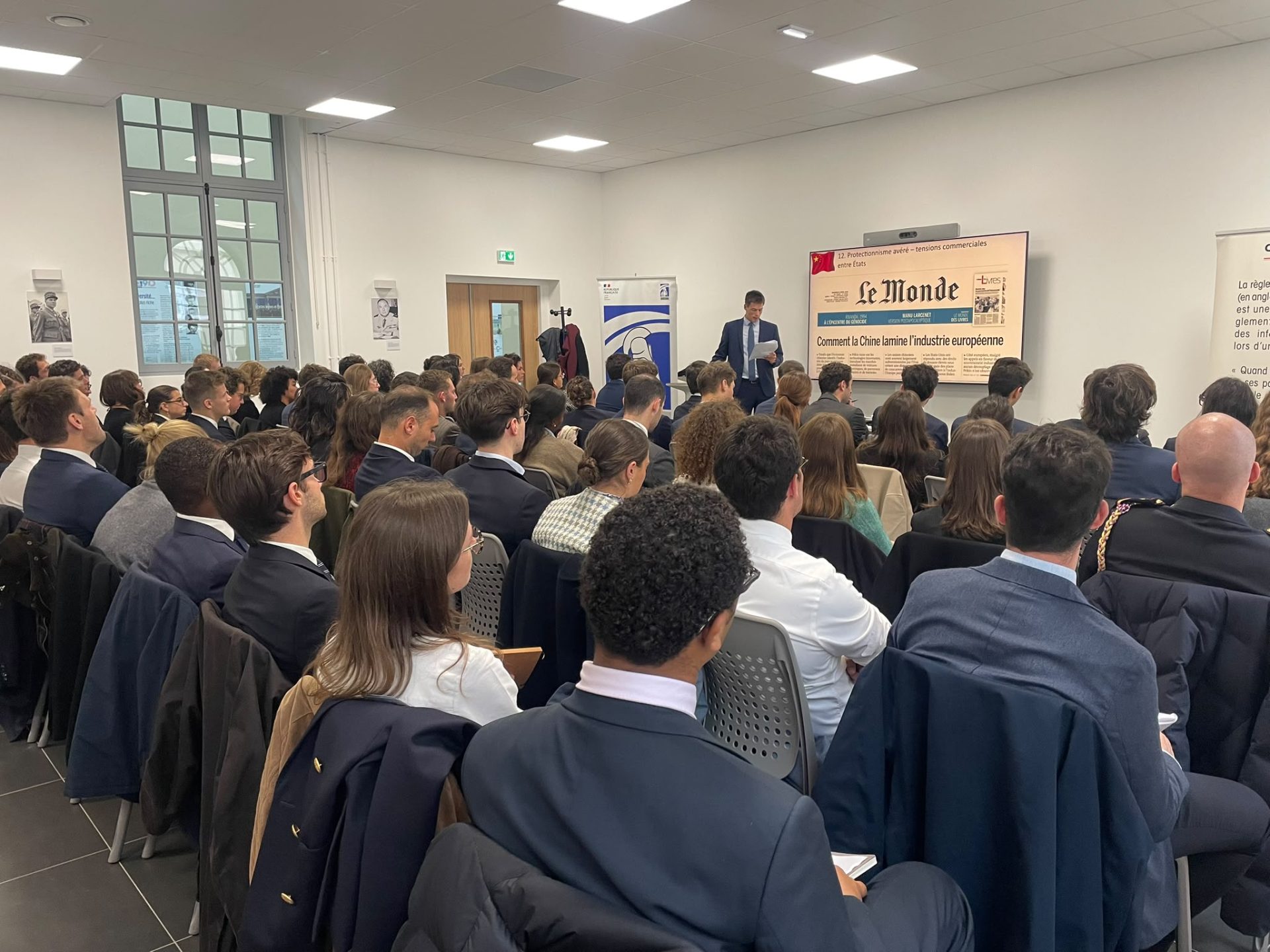
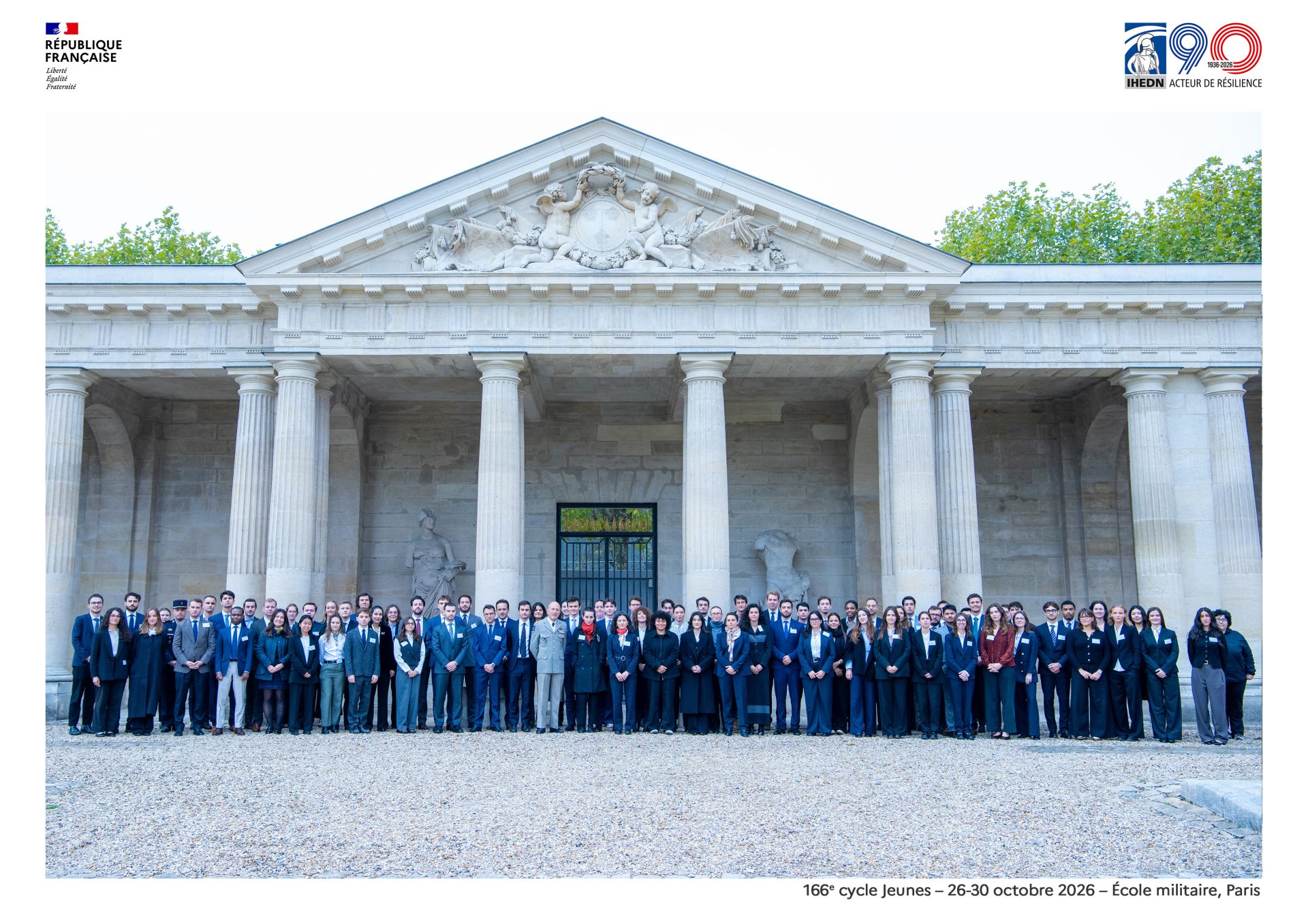
Through a programme combining lectures and panel discussions, factory visits and group work, the 80 participants were able to analyse economic and strategic power dynamics, in particular by studying contemporary tensions and using maps as tools for strategic intelligence.
They also explored mechanisms for safeguarding economic sovereignty by learning about the roles of the Strategic Information and Economic Security Service (SISSE) and the Defence Intelligence and Security Directorate (DRSD) in the field of economic security. Operational monitoring, information management and the fight against information manipulation formed another key focus, complemented by discussions on risk and crisis management, particularly in the face of pressure from activists.
The auditors also examined standards and regulations as strategic tools, as well as the role of the National Cybersecurity Agency (ANSSI) in cybersecurity and the safeguarding of national sovereignty. Finally, European cooperation in the space sector was discussed as a key driver of common security.
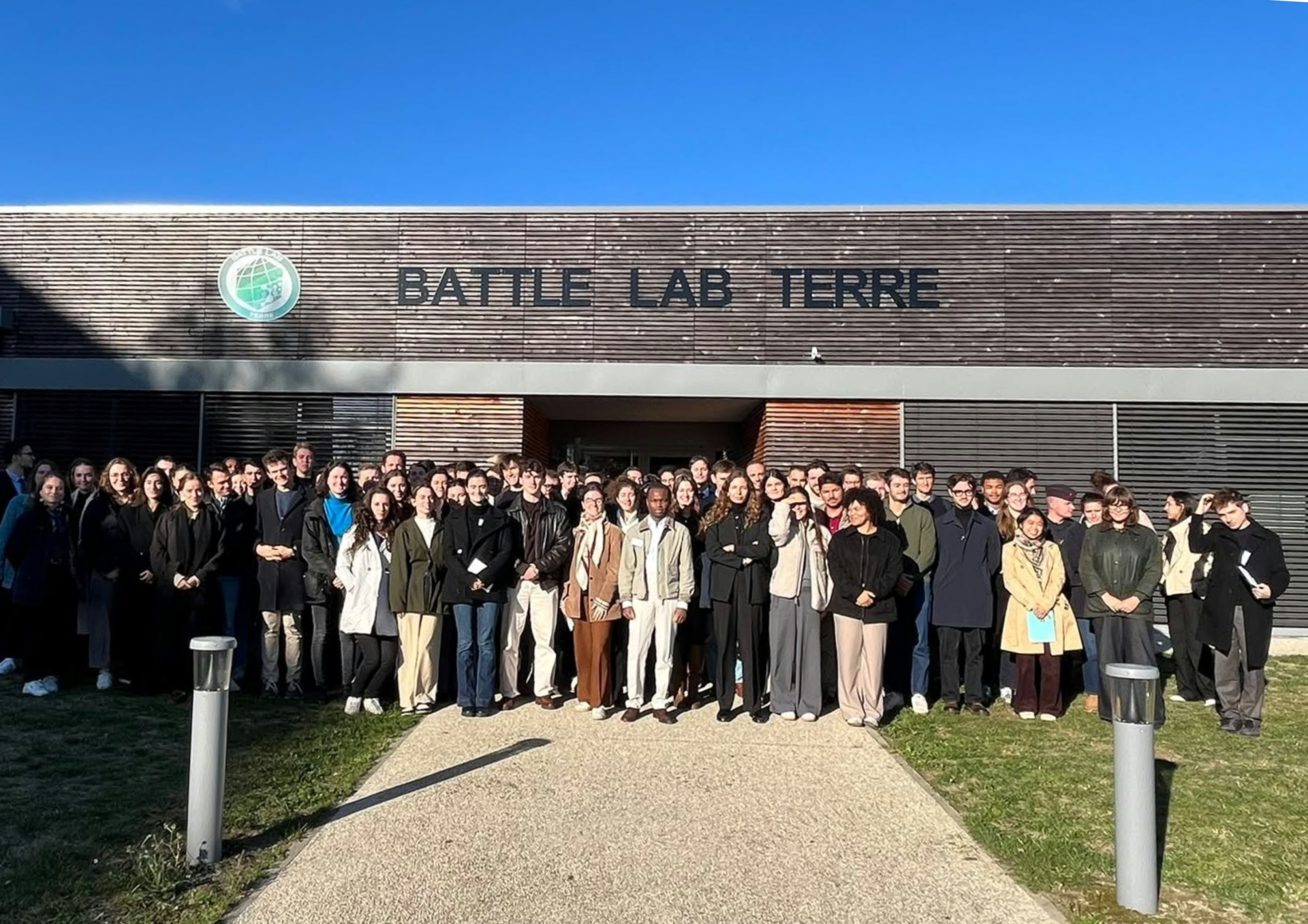
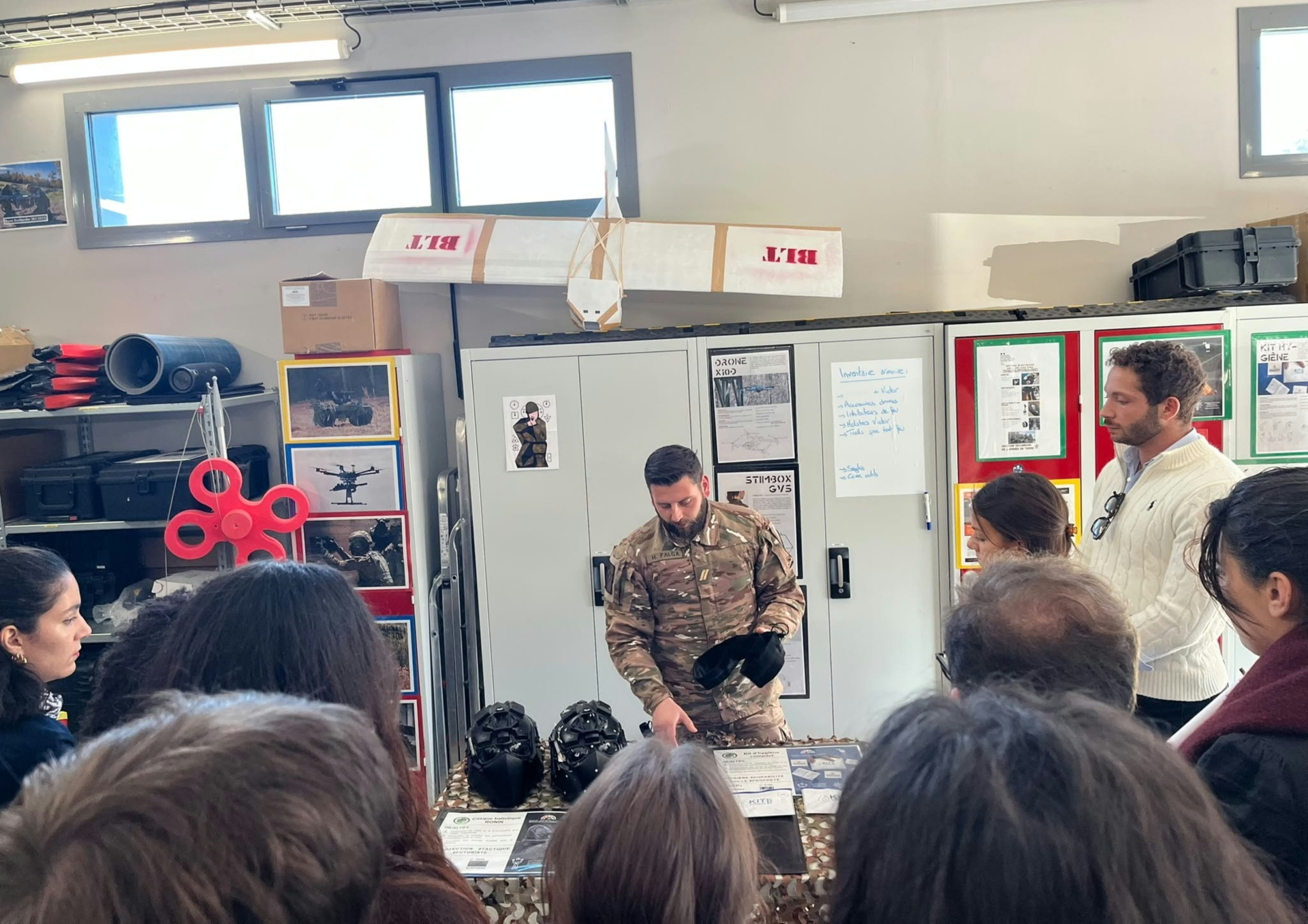
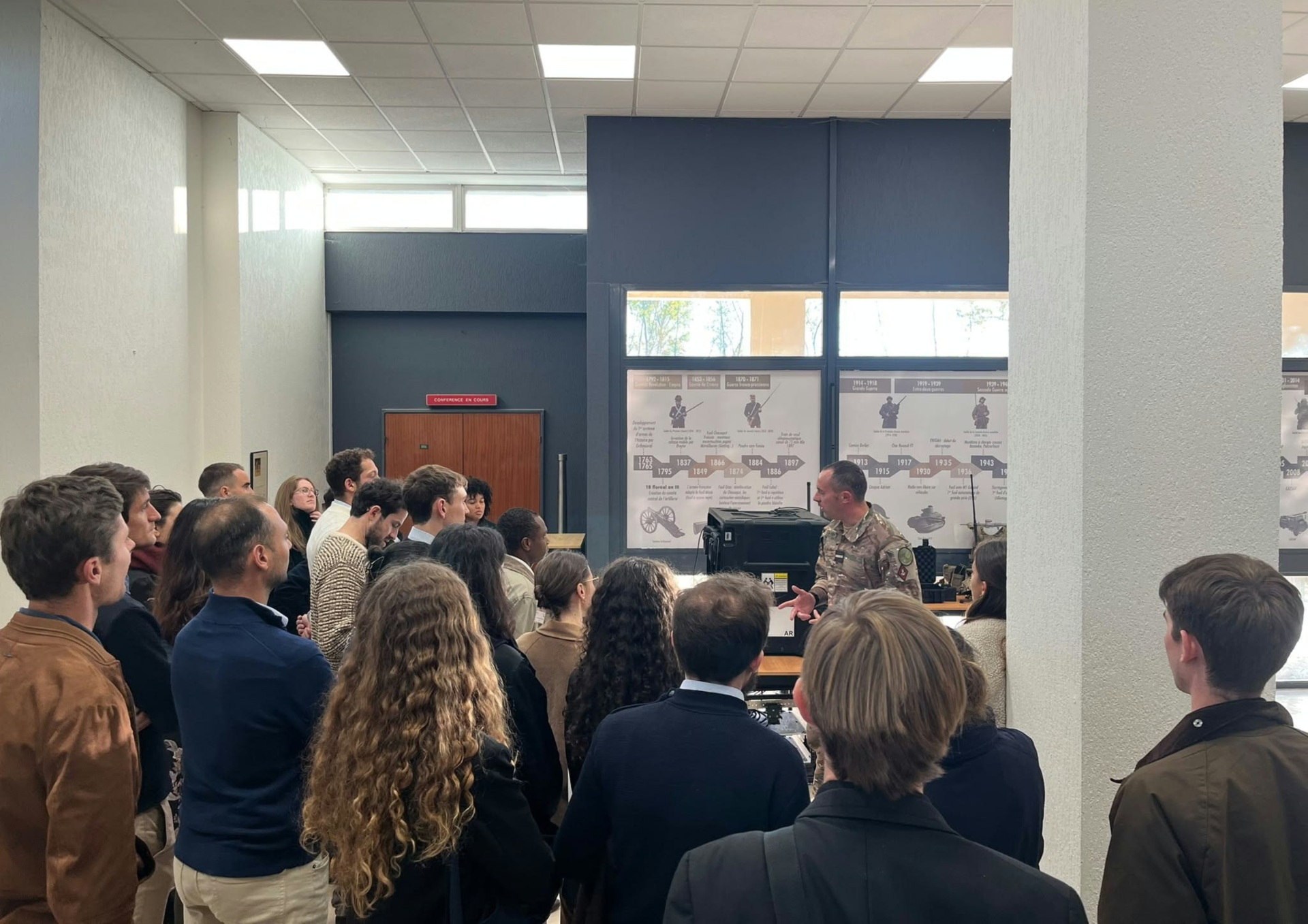
The programme also included visits to Ariane Group and the Army’s Technical Section. These opportunities for discussion enabled the participants to compare their analyses with the realities on the ground.
Committee work: putting theory into practice
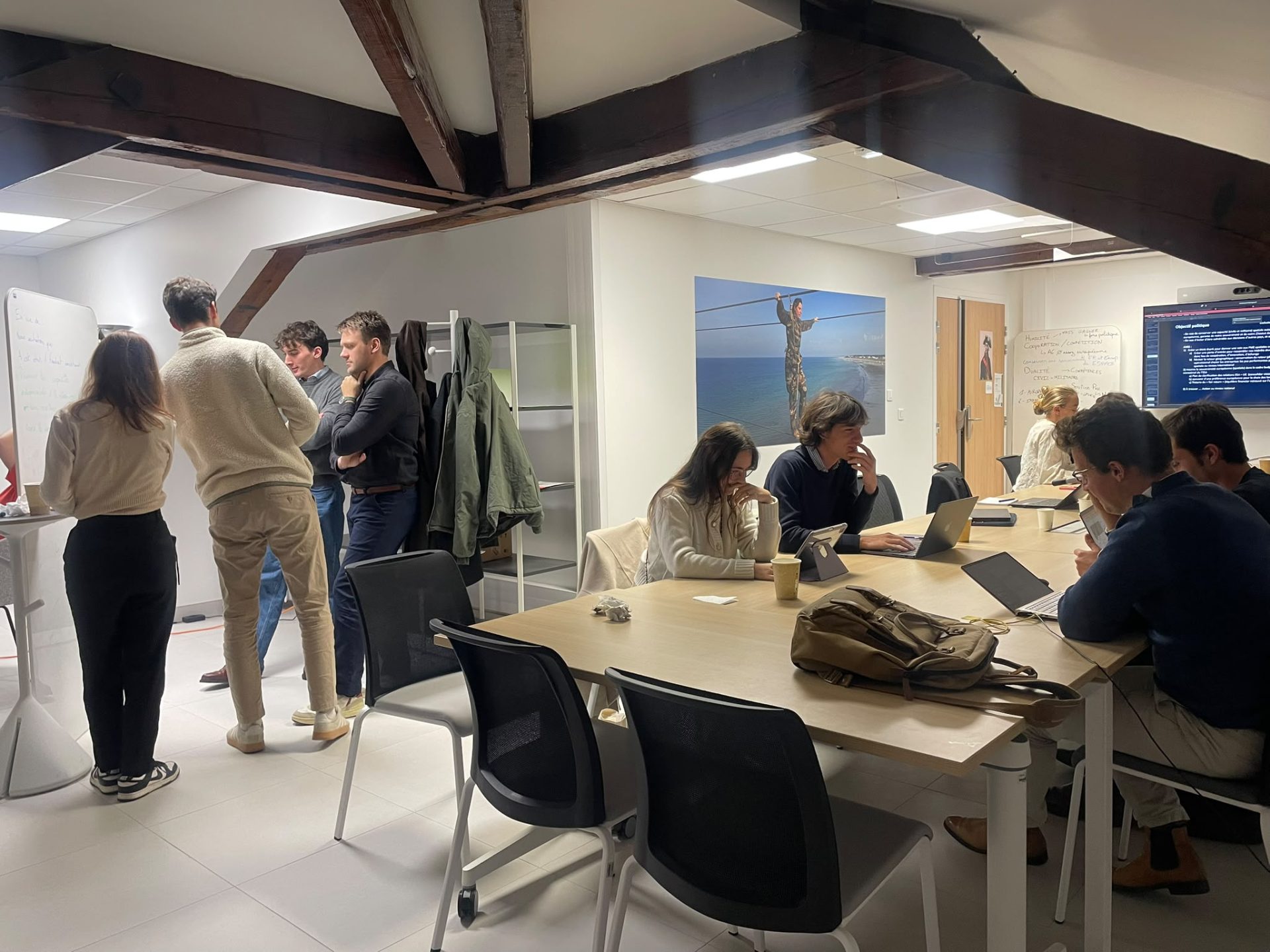
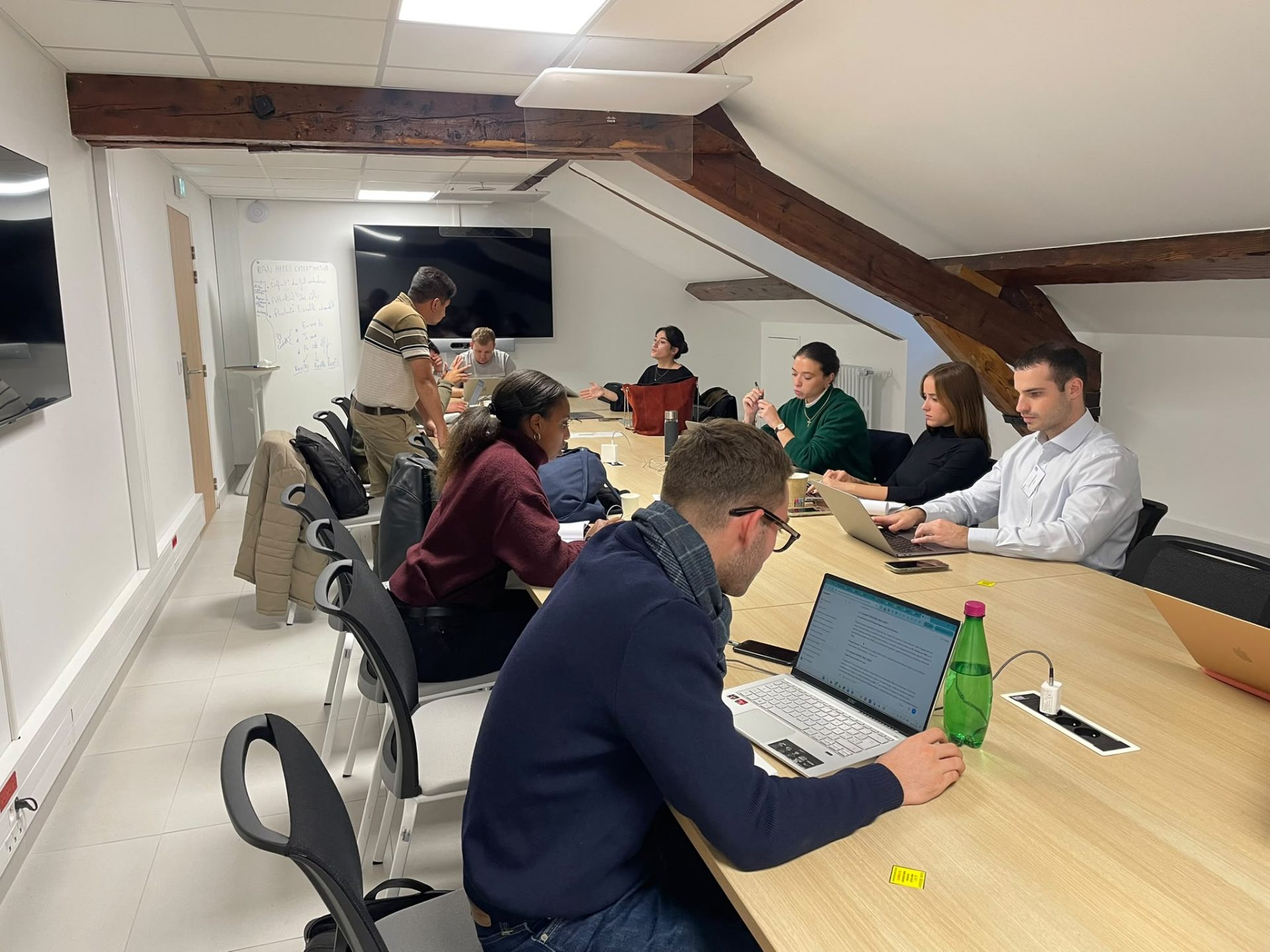
Divided into six committees, the auditors worked on a common issue: against a backdrop of growth in the space market, intensifying international competition and rapid technological advancement, how can France and Europe preserve and strengthen their sovereignty regarding access to space?
Each committee examined the issue from a particular perspective:
Politics: In light of the growing militarisation of space and competition between major powers, the committee considered the political and strategic priorities that France and Europe must set in order to maintain an autonomous capability for access to space and control over their defence systems.
Economy: The committee examined the conditions necessary to maintain a competitive and sovereign French and European space sector, within a global market undergoing transformation and in the face of the growing influence of private players with considerable industrial and financial capabilities.
Societal: The work focused on the skills, talents and collective commitment required to ensure the long-term sustainability of an independent French and European space industry.
Technology: The committee examined the technologies that France and Europe must master in order to preserve their independent access to space, protect their space capabilities and prevent the emergence of new strategic dependencies.
Environmental: The auditors analysed the conditions for sustainable and sovereign access to space, in an orbital environment that is becoming increasingly congested, contested and potentially dangerous.
Legal: The research examined the effects of standards, export controls and extraterritorial regulations on French and European space sovereignty, in both the civil and defence sectors. The committee also considered ways of reducing these dependencies.
It was an intense week that enabled participants to appreciate just how deeply economic intelligence permeates every sector of our businesses and society, and just how essential it is to master its tools in order to take action and safeguard our national sovereignty.
 French
 English