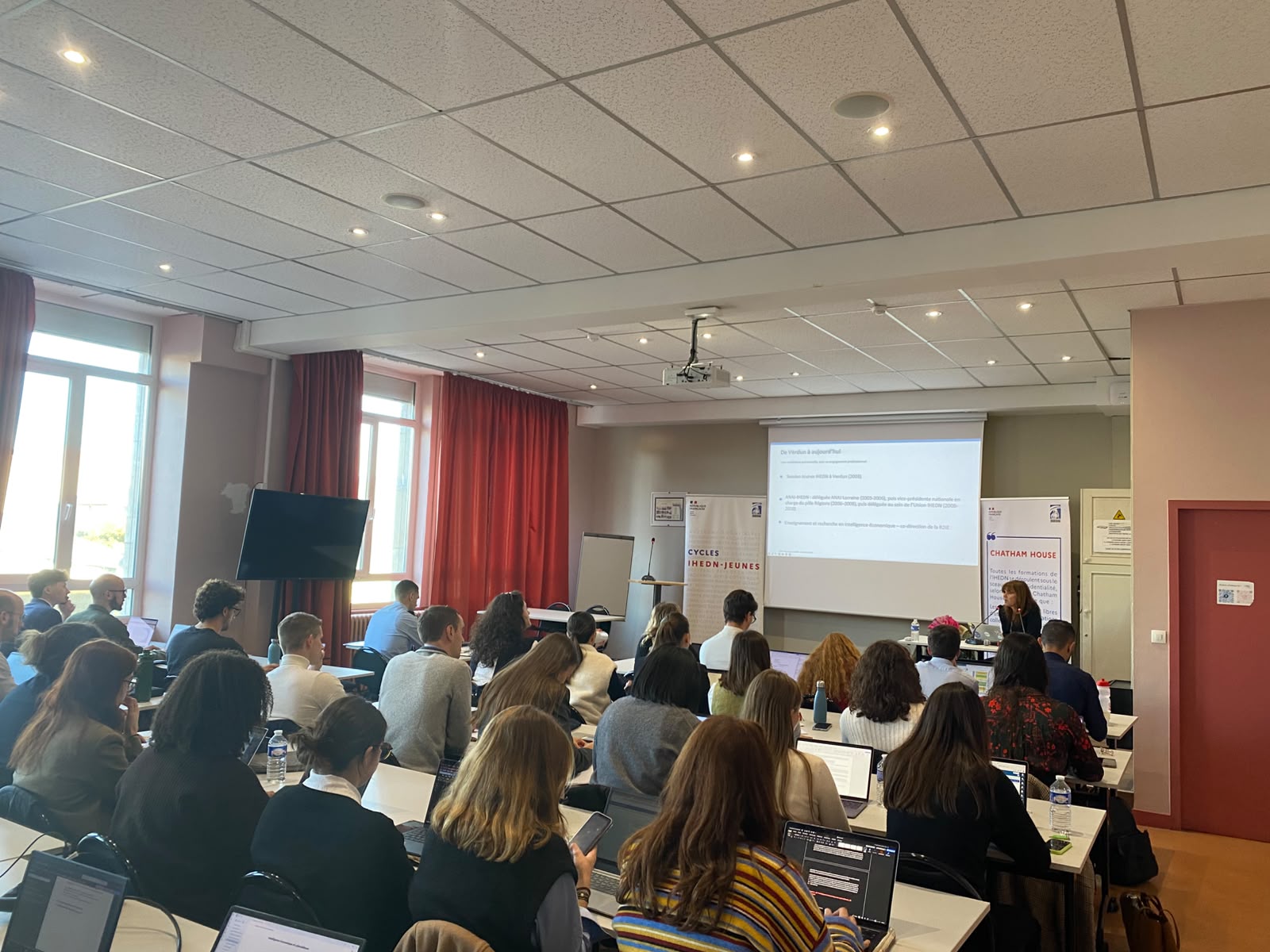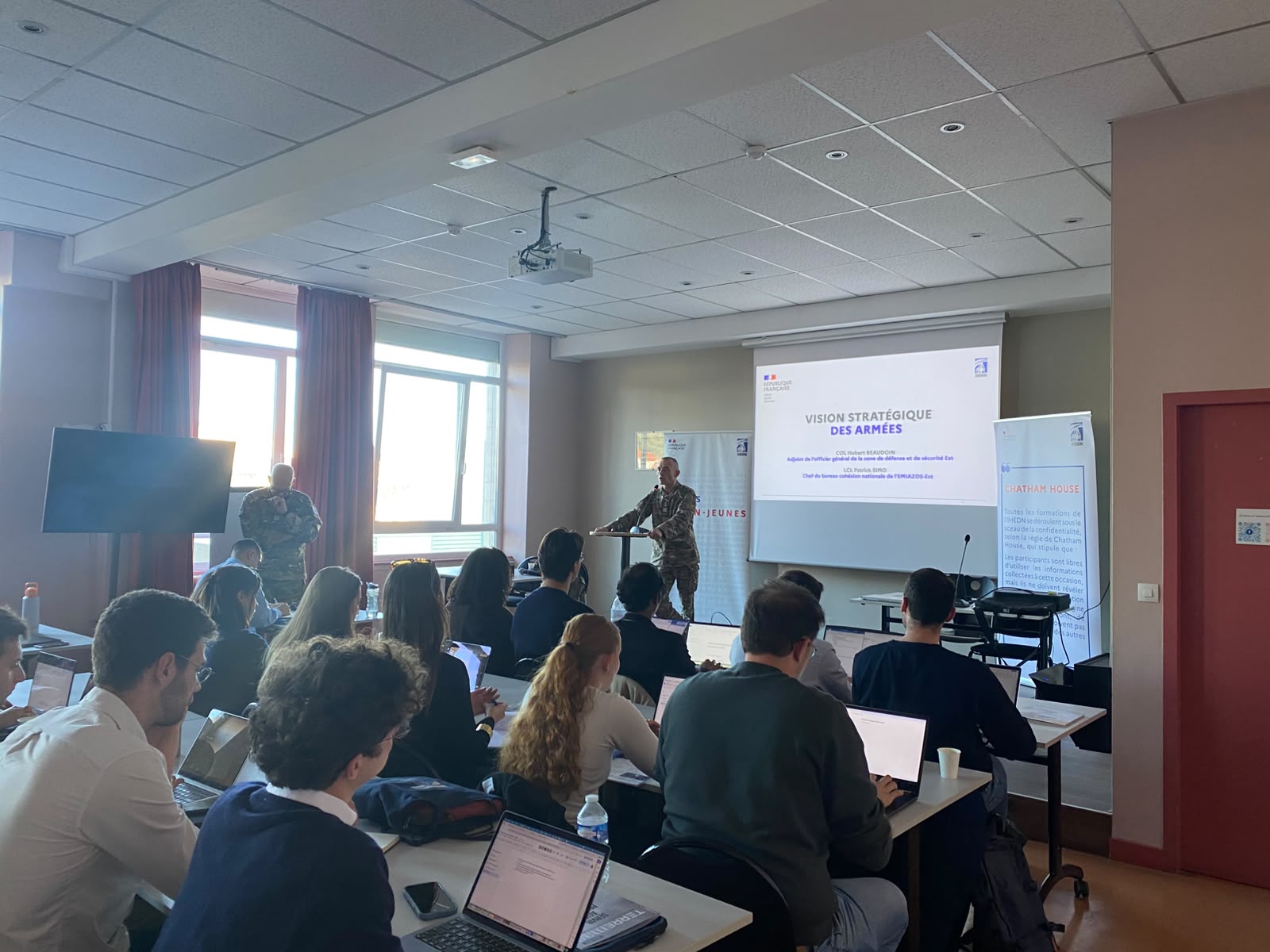
From 26 to 30 October, Nancy hosted a new ‘Jeunes’ programme in the Grand Est region, bringing together 81 participants. Students and young professionals were invited to deepen their understanding of defence and security issues, to learn about the key players and resources involved in national defence, and to reflect collectively on the strategic challenges facing France.
Regardless of their initial level of knowledge, participants were able to deepen their understanding of strategic issues and France’s position in a changing international environment. By drawing on the insights of speakers from a variety of backgrounds, alongside discussions and analyses, they were able to develop their critical thinking, formulate and defend their own views on defence and security issues, and anticipate developments likely to transform our strategic environment.
As well as acquiring knowledge, the course enables them to familiarise themselves with existing defence tools and structures, whilst developing their ability to formulate operational proposals as part of a collaborative process.
A week exploring key defence and security issues
The programme was structured around three main modules: strategic issues, an understanding of defence capabilities and the armed forces, and international cooperation and conflicts.
The trainees thus explored the organisation of defence and national security, operational land defence in the Grand Est region, as well as the concepts of the ‘spirit of defence’ and ‘moral strength’. They also explored several international issues in greater depth, with presentations focusing on the African continent – highlighting both positive developments and persistent vulnerabilities – and on the Russia-Ukraine conflict. Sport as a tool of power and diplomacy was also the subject of discussion.
The training also provided an opportunity to explore domestic threats and cybersecurity issues, notably through the ‘Cyber Humanum Est’ exercise, an immersive cybersecurity exercise organised in collaboration with the Nancy Defence Base and Lorraine INP, under the auspices of the Cyber Defence Command (COMCYBER) and the University of Lorraine. It enables participants to tackle real-world cyber-threat scenarios in order to develop their skills and help train the next generation of cyber defence talent.
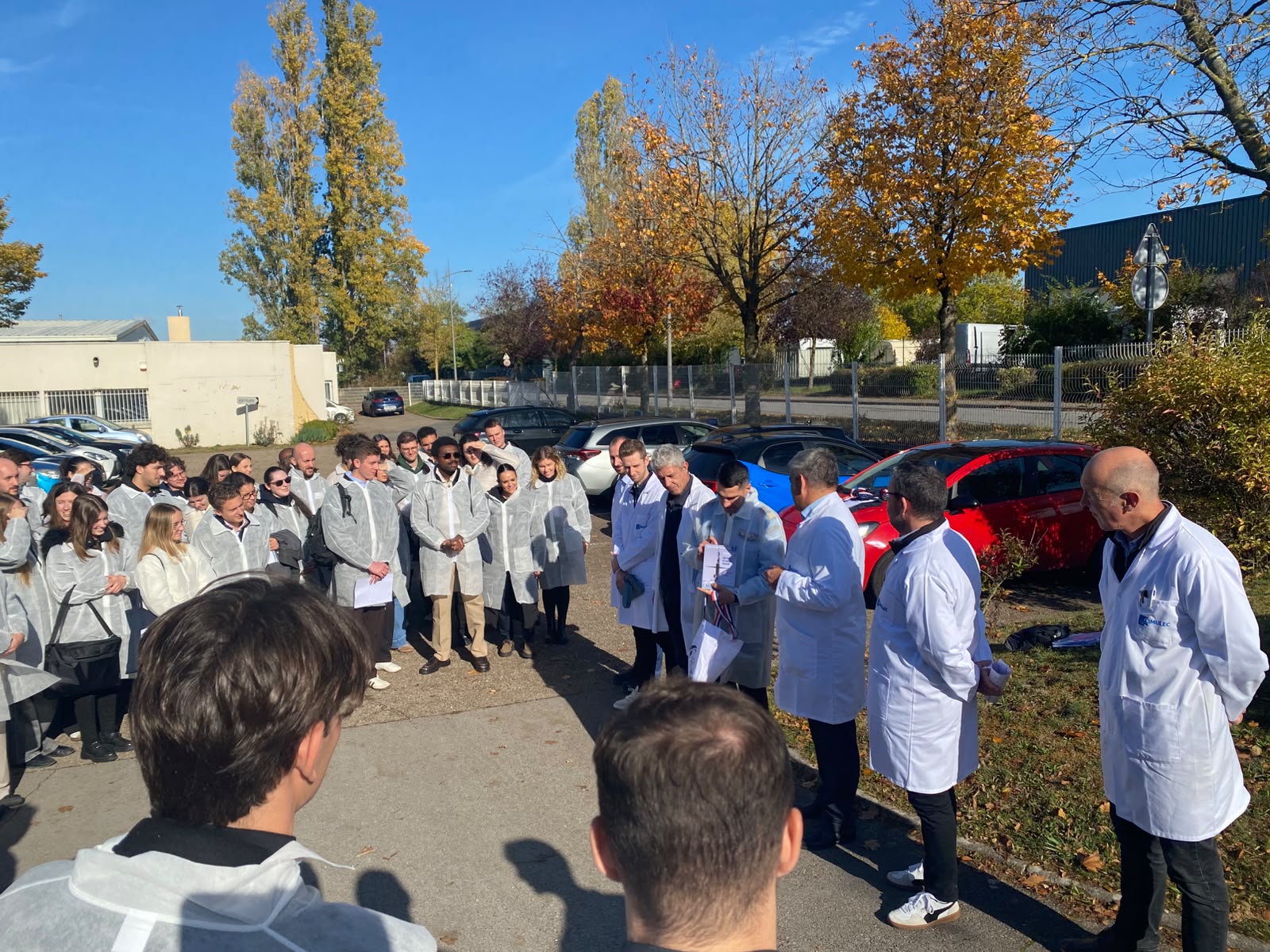
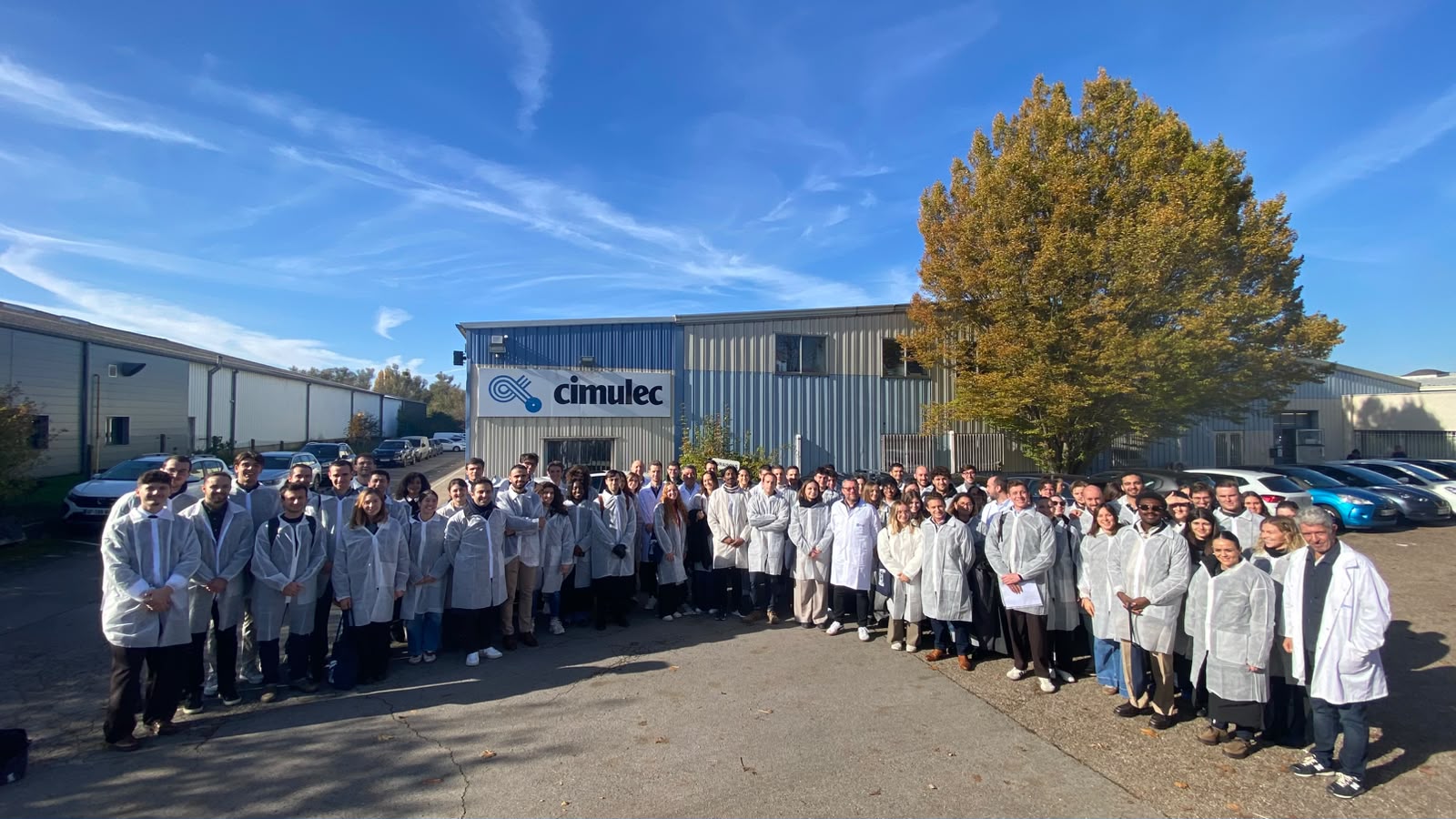
Finally, a tour of the Cimules company gave participants the opportunity to gain a first-hand insight into the organisations and capabilities that contribute to national defence.
Three committee topics to address the region’s challenges
In addition to the lectures, the participants were divided into six committees to work on three practical issues, rooted in the defence and security challenges facing the region. Using scenario-based exercises, they were required to analyse the challenges presented, identify priorities and draw up operational proposals for decision-makers.
- Hybrid threats: how can sensitive sites be protected?
Two committees have examined the evolution of hybrid threats in Europe since the start of the war in Ukraine. Acts of sabotage, cyber-attacks, disinformation campaigns and drone flights over sensitive areas illustrate the diversification of hostile tactics, which are blurring the lines between peace and conflict.
In this context, the auditors were tasked by the Prefect of the Grand Est region with identifying three priority areas to better protect sensitive sites in the region from such actions.
- Developing the national service scheme and making it more attractive to young people
Committees 3 and 4 have been working on issues relating to the development of the national service in the run-up to the start of the 2027 academic year, against a backdrop of heightened international tensions.
Whilst several European countries are developing their youth recruitment schemes, the French armed forces face the challenge of raising awareness and enhancing their appeal amongst the younger generations. Participants were therefore tasked with proposing a plan designed to enhance the scheme’s appeal and encourage young people in the Grand Est and Bourgogne-Franche-Comté regions to consider a career in the armed forces.
- Cyber threats in the Grand Est region: strengthening preparedness and prevention
Finally, the most recent committee meetings addressed the issue of cybersecurity in local authorities. Given the rise in cyberattacks targeting public services, prevention and proactive measures are key to protecting infrastructure and data.
Drawing in particular on the experience of the Grand Est region and the establishment of the Grand Est Cybersecurity Hub, the auditors were tasked with setting out three areas of action to strengthen the prevention and anticipation of cyber threats at regional level.
Laure Diebold, also known as «Mona» or «Mado», has been chosen as the year group name for this academic year.
Born on 10 January 1915 in Erstein and died on 17 October 1965 in Lyon, she was awarded the title of Companion of the Liberation on 20 November 1944 following her involvement, notably with the Alsace-Lorraine refugee service, the Mithridate network, and the Central Bureau of Intelligence and Action (BCRA). She was also deported to the Schirmeck security camp, and subsequently to Ravensbrück concentration camp.
Find out more about its history here: Laure DIEBOLD | The Order of Liberation and its Museum
 French
 English