
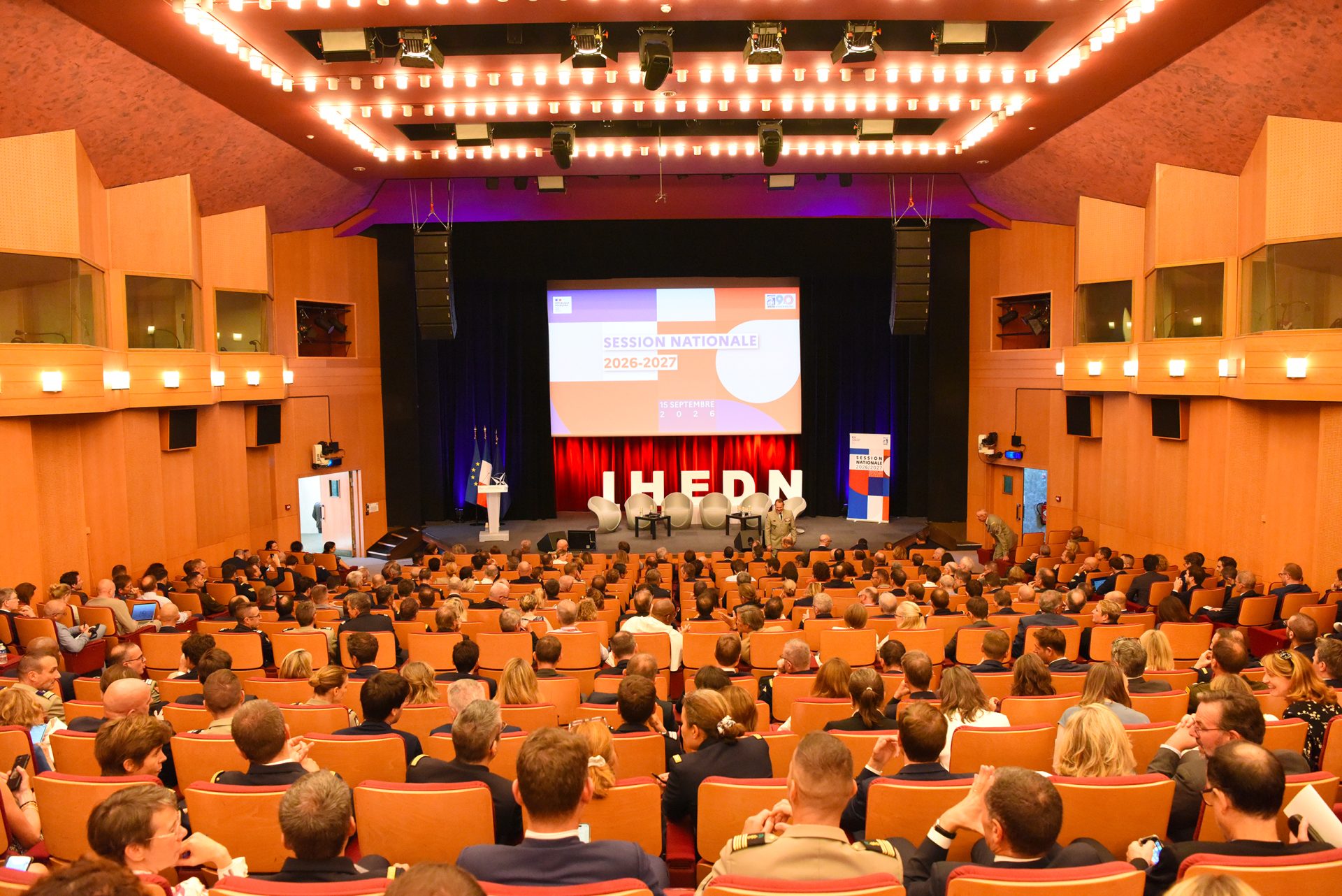
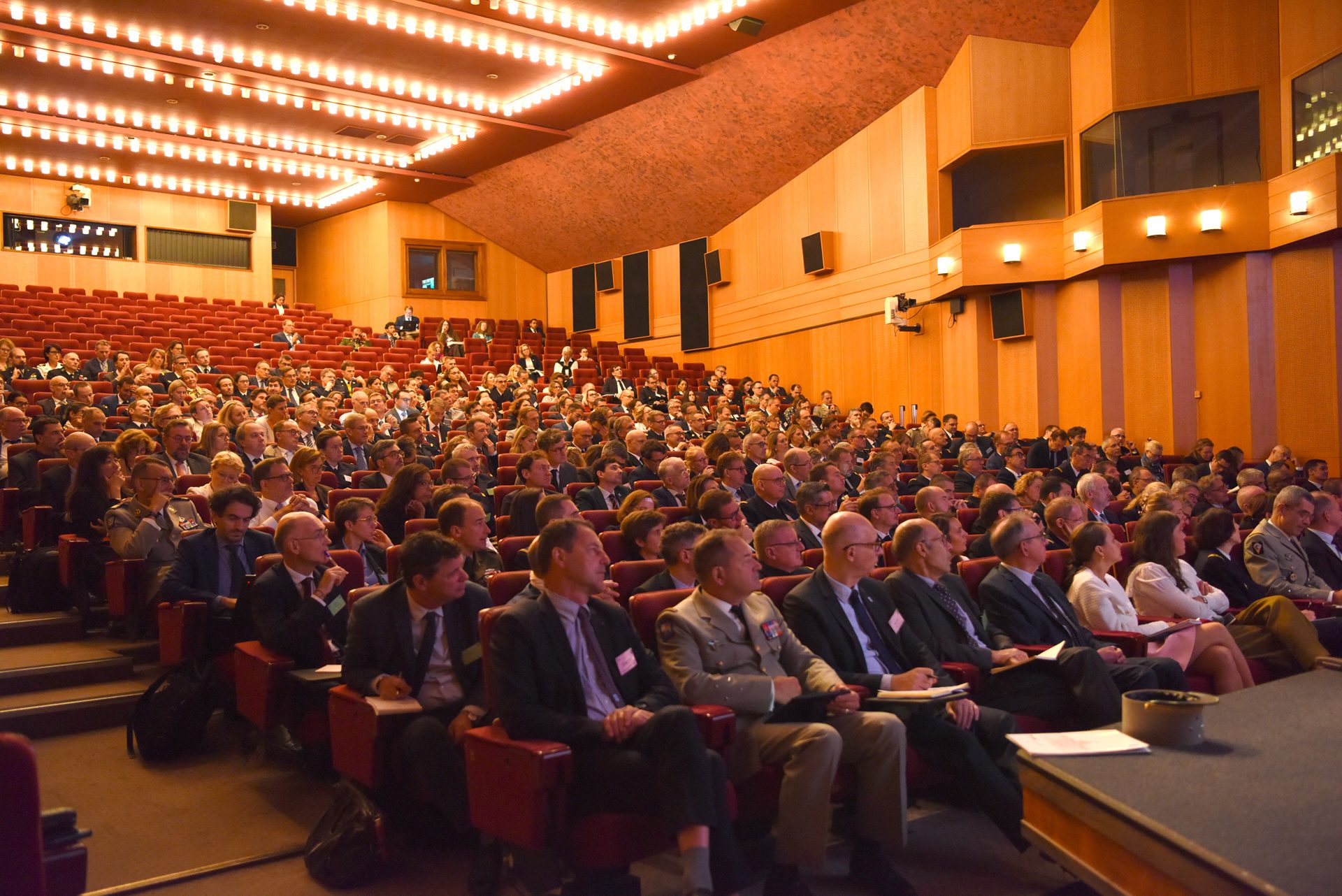
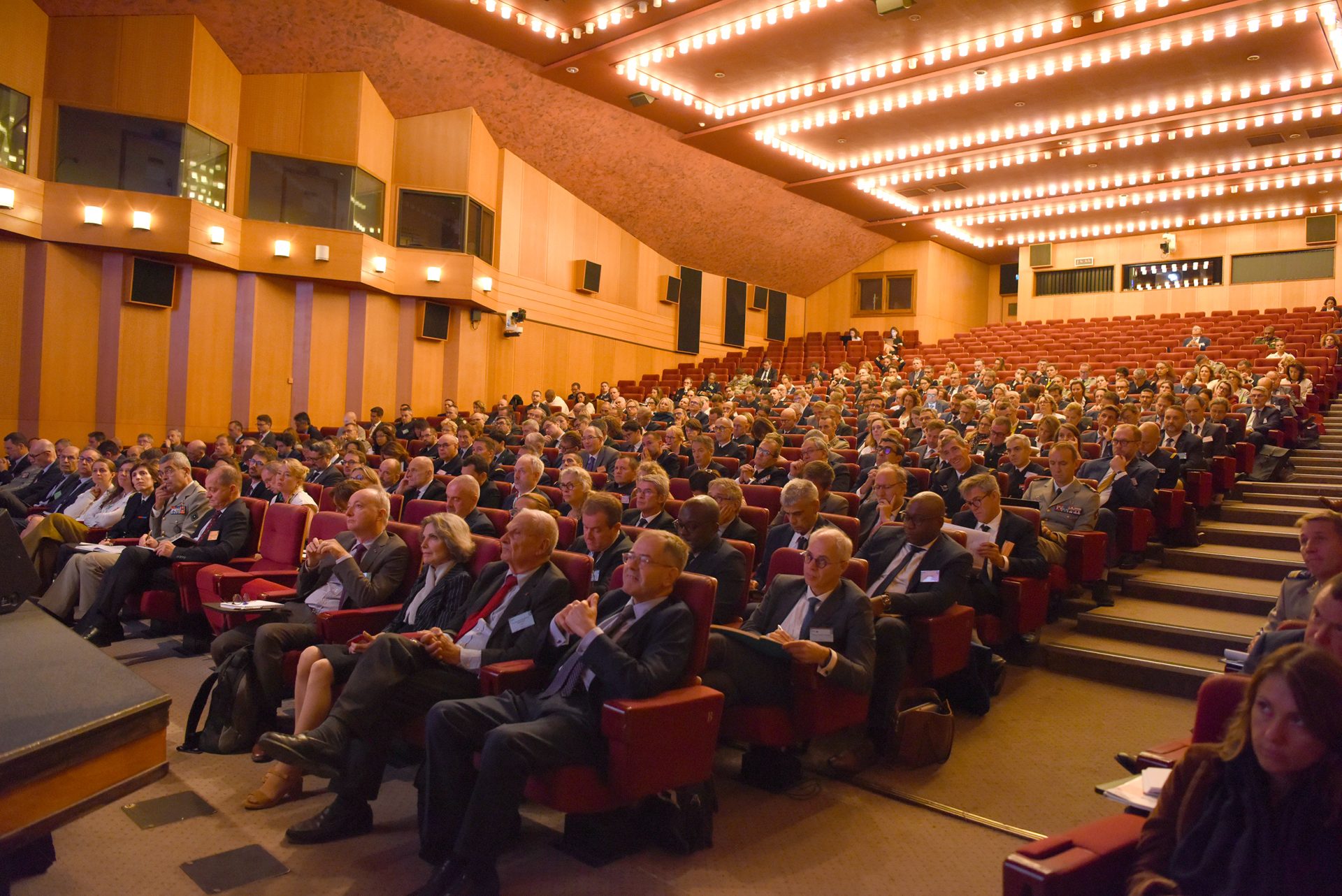
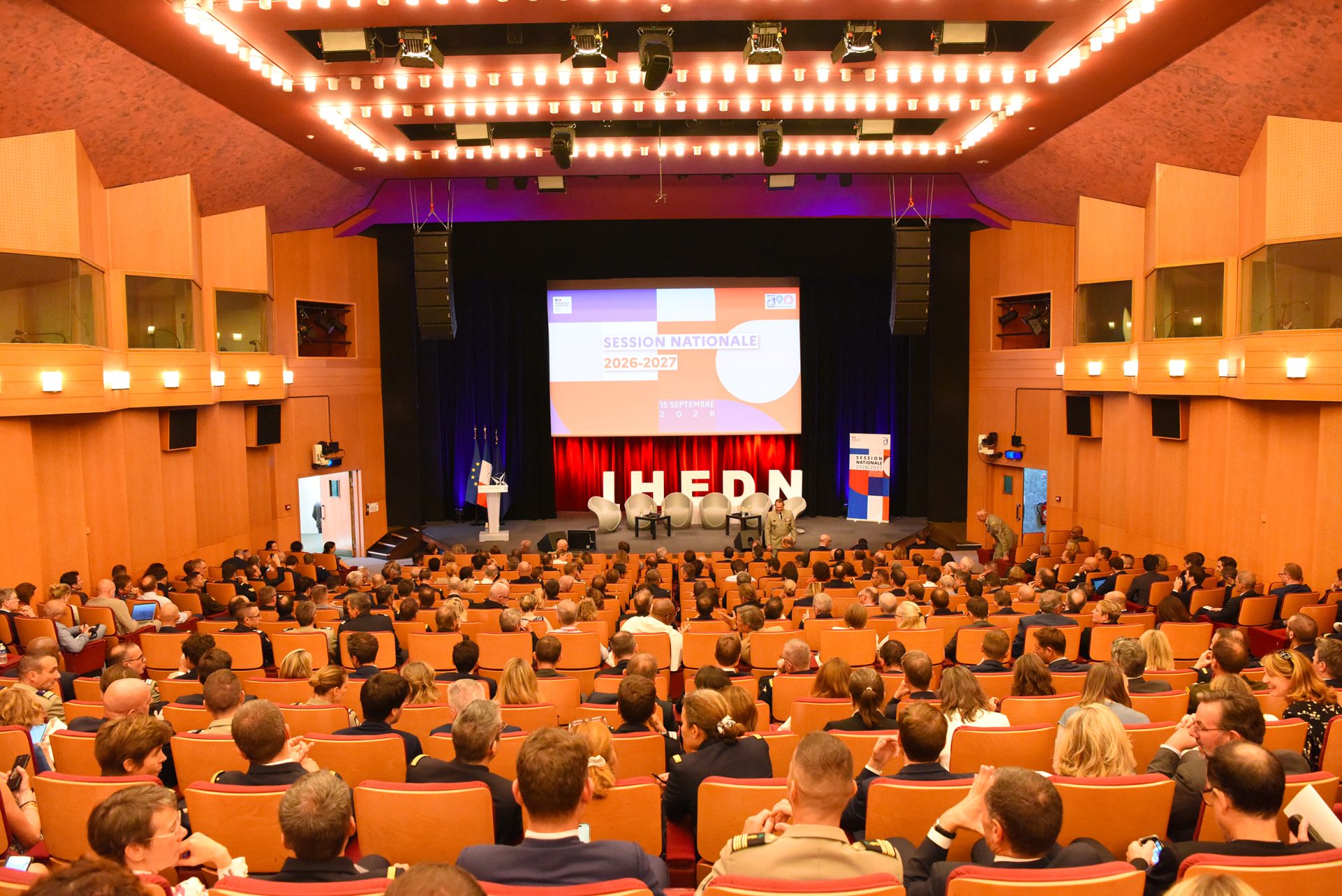
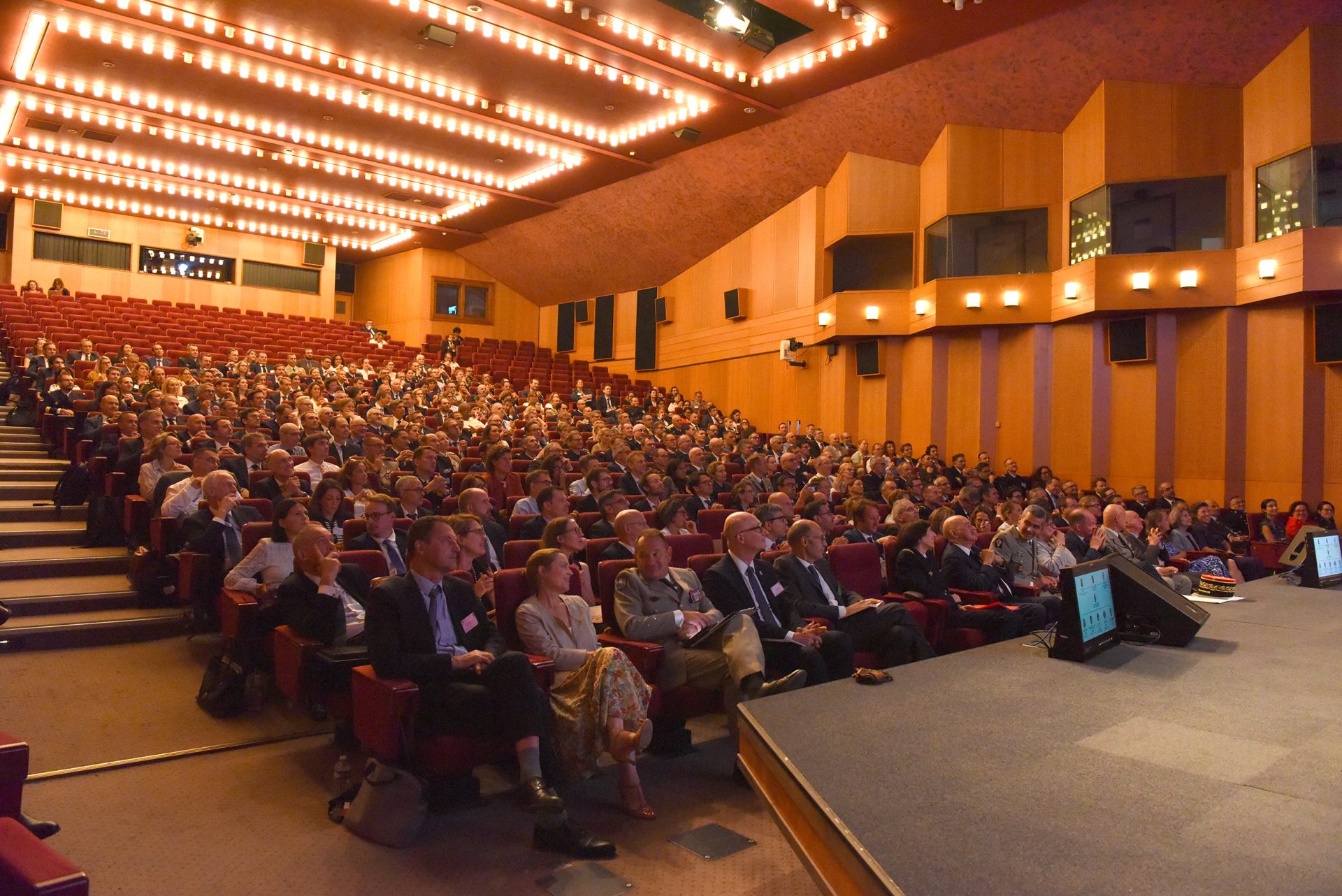
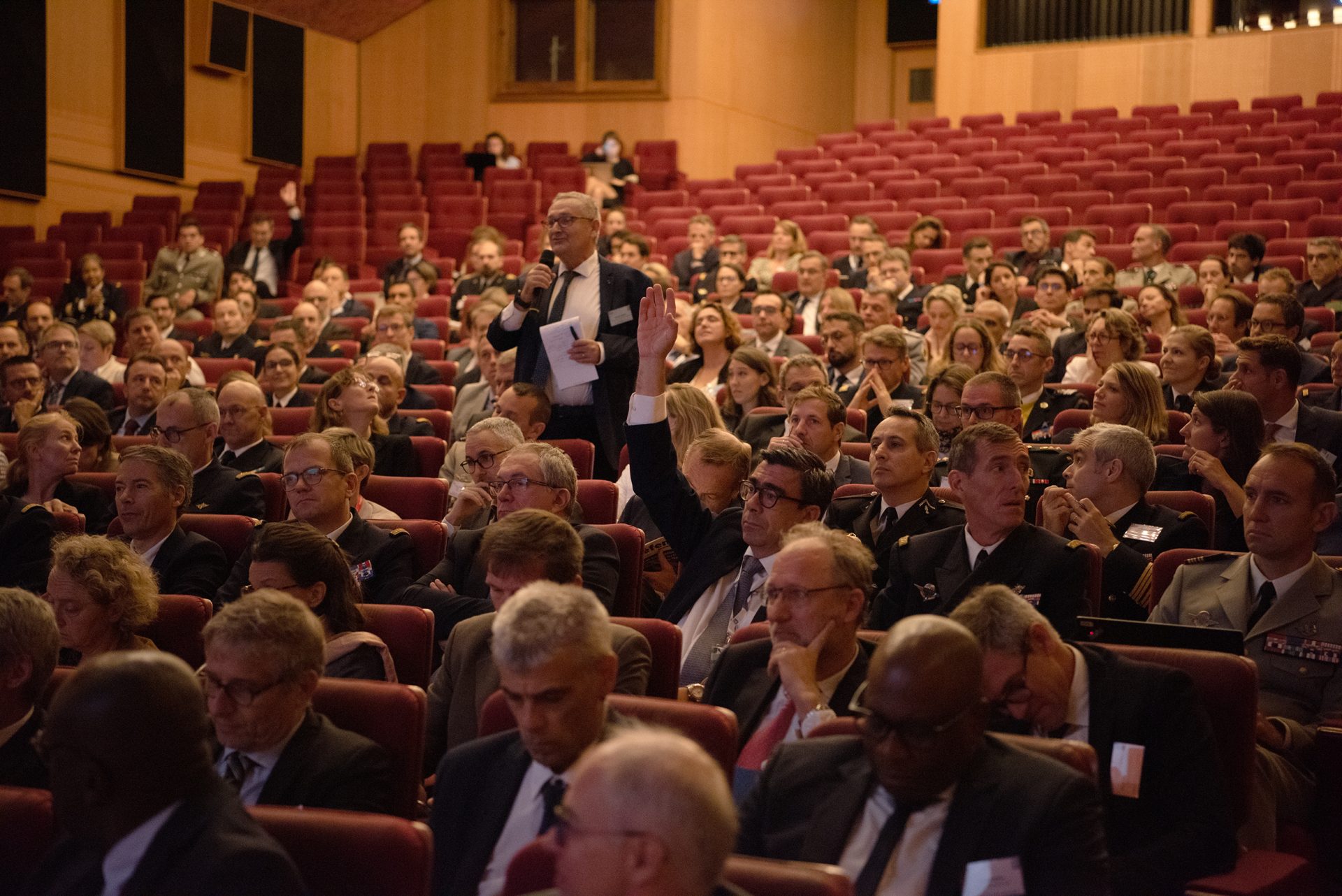
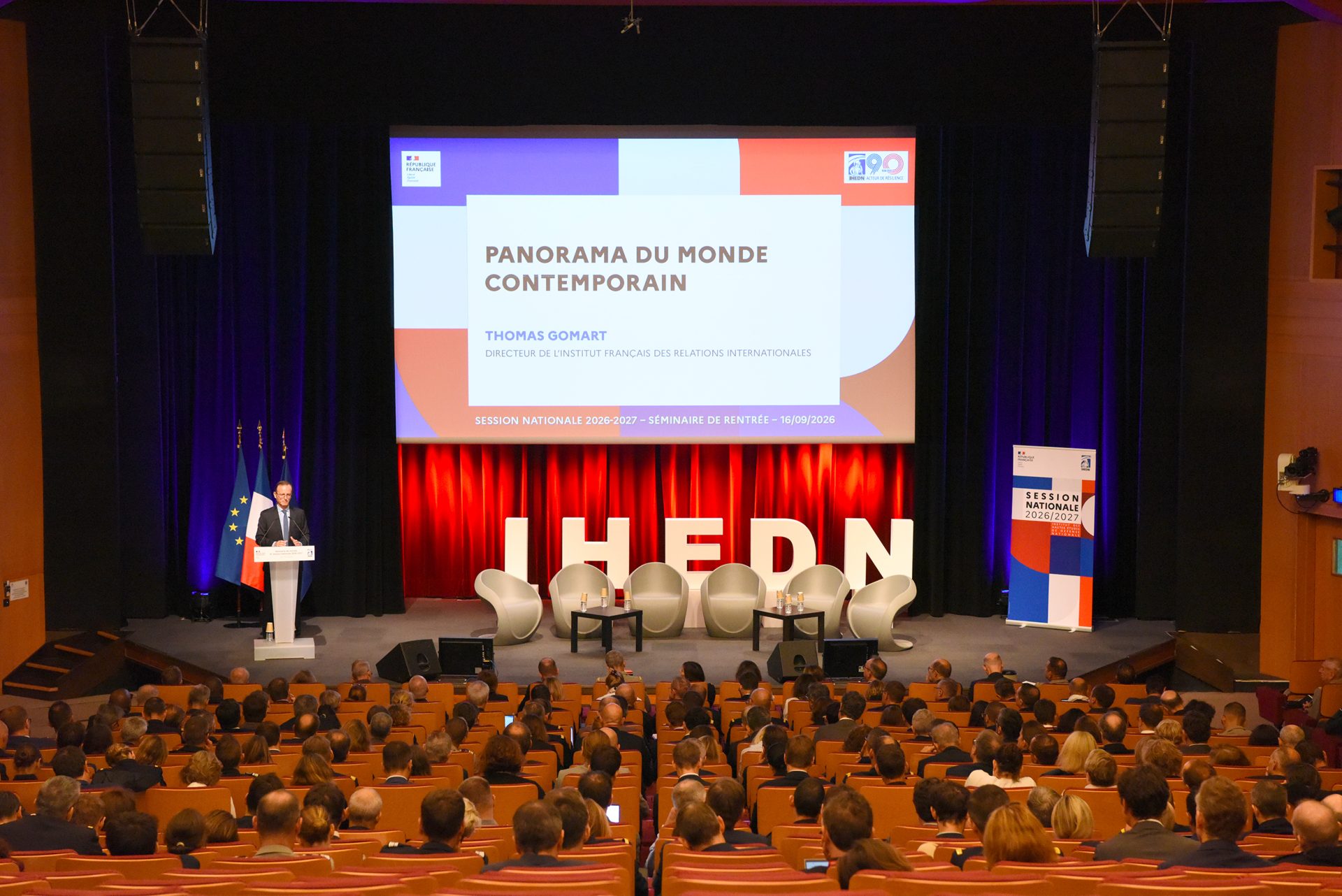
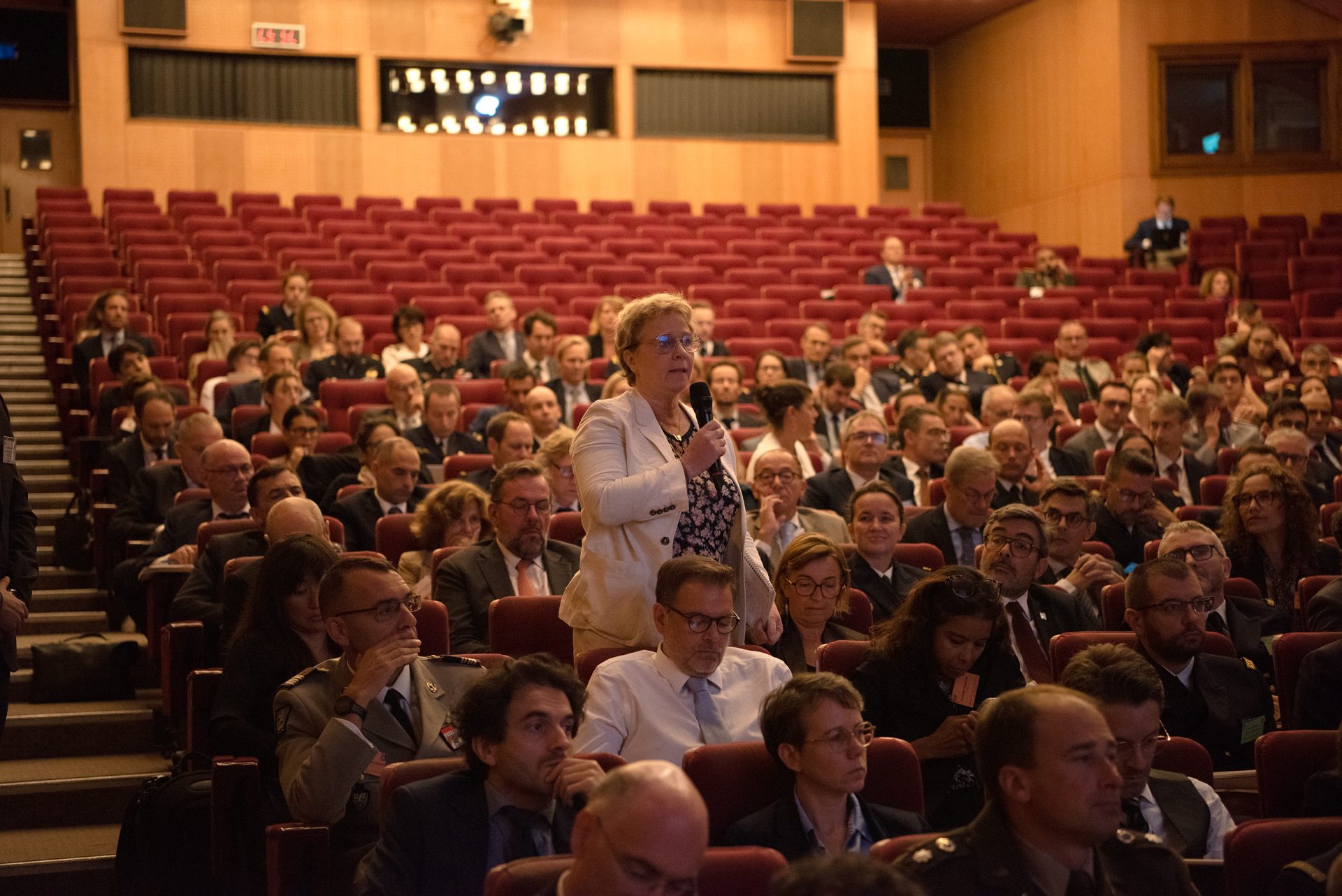
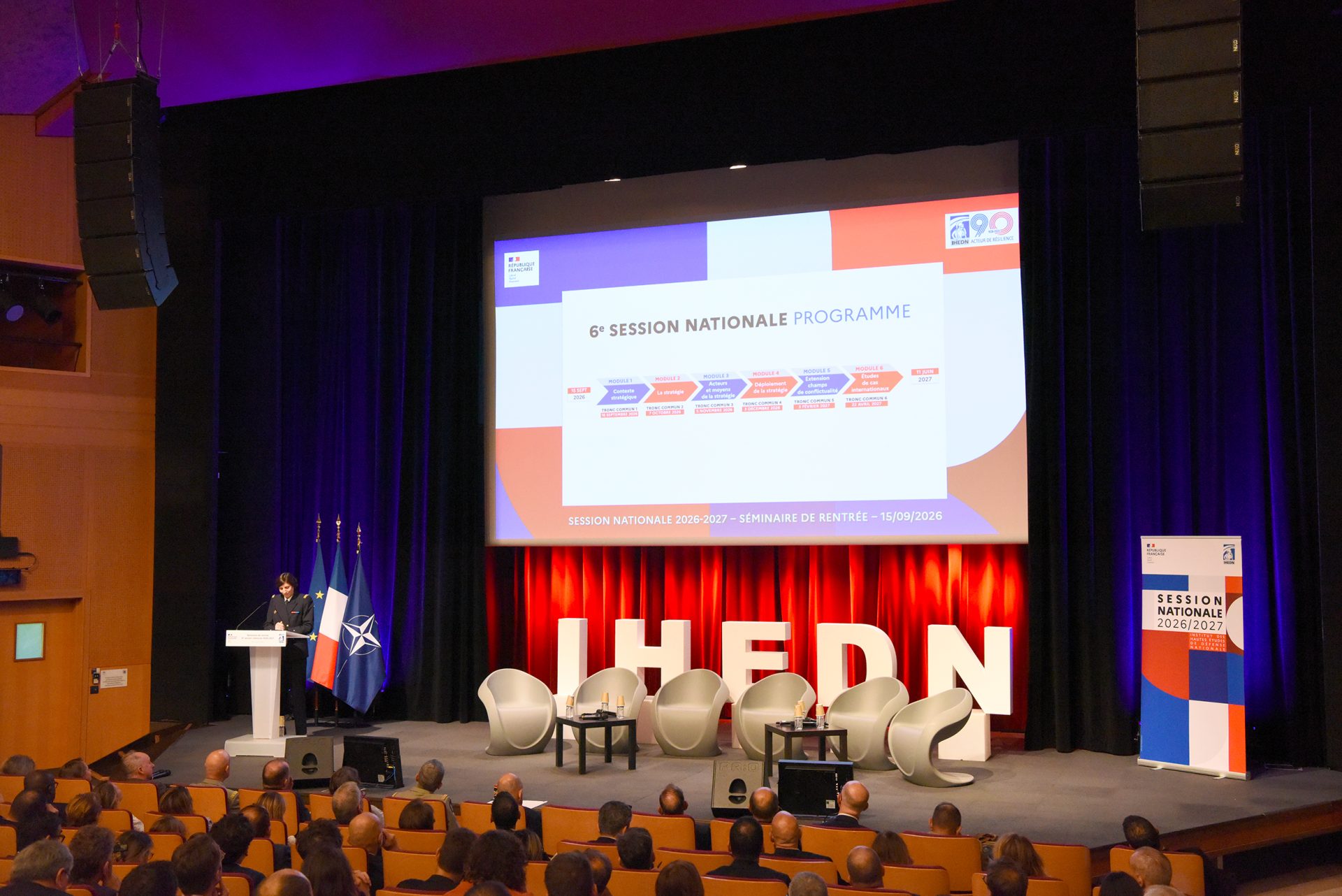
The Foch lecture theatre today welcomed the 291 students of the new 2026–2027 intake. Coming from a variety of backgrounds and sectors — including civilians and military personnel, parliamentarians, journalists, teachers, business leaders and religious representatives — they have come together for a year of training, reflection and discussion on the major challenges facing defence, security and sovereignty.
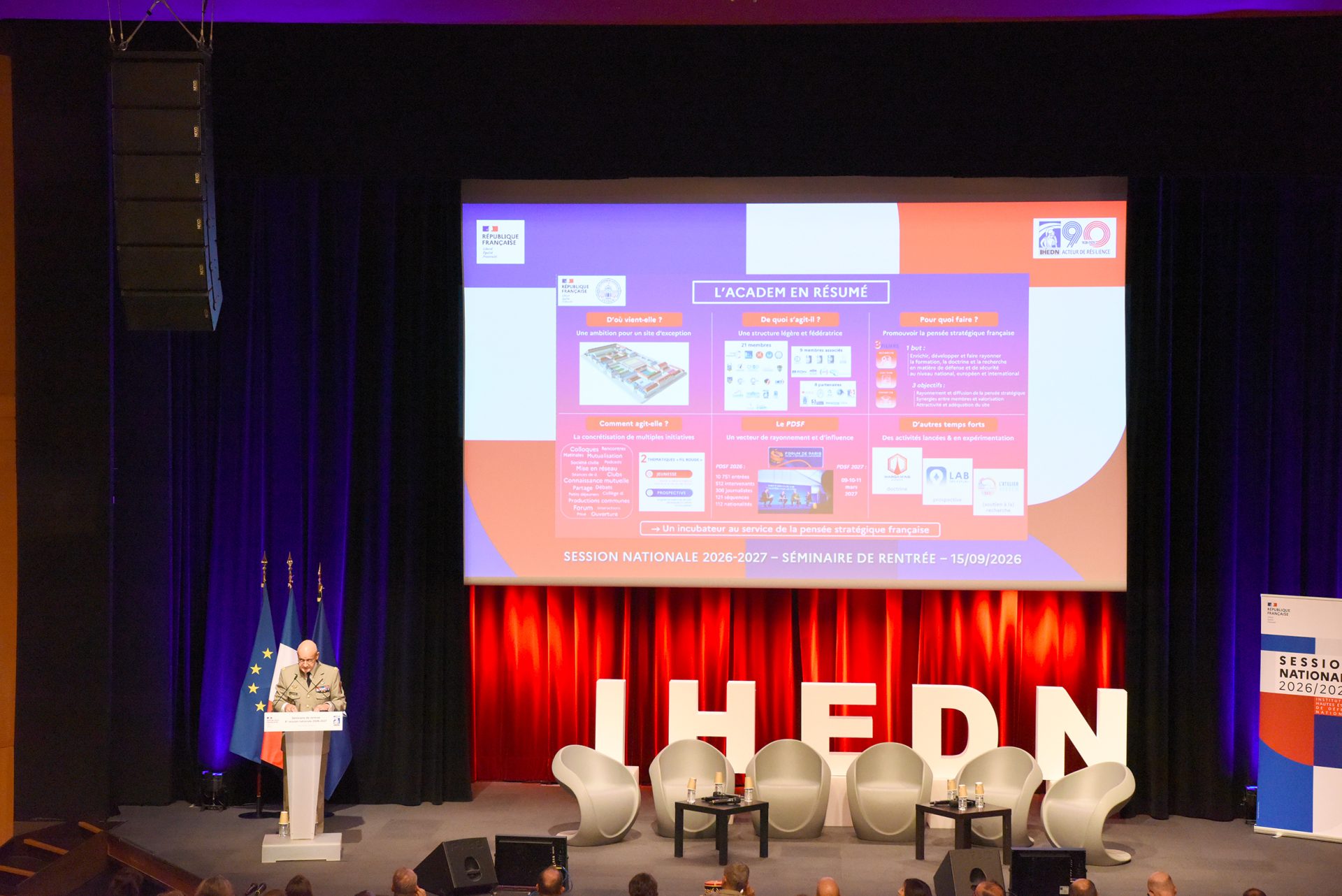
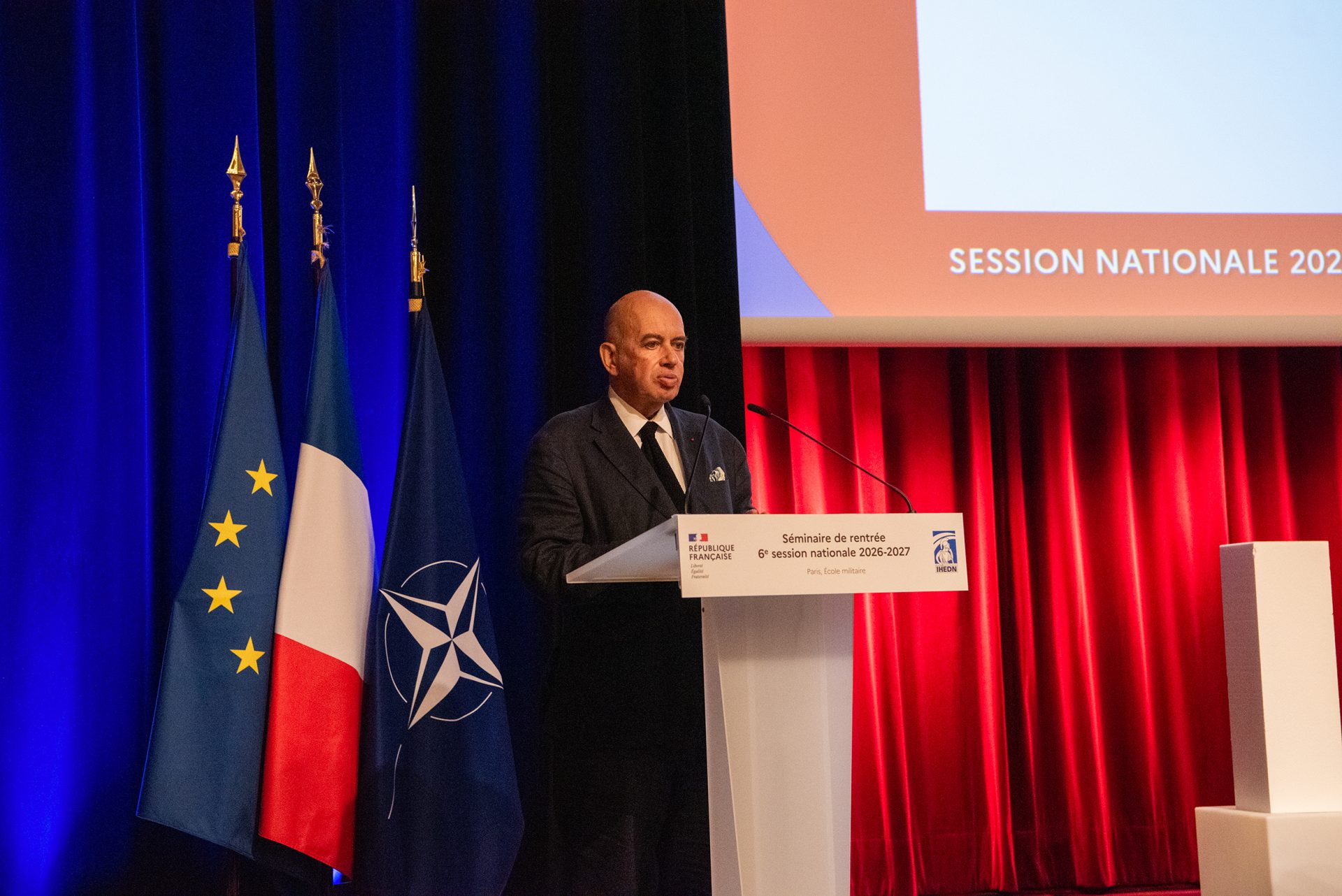
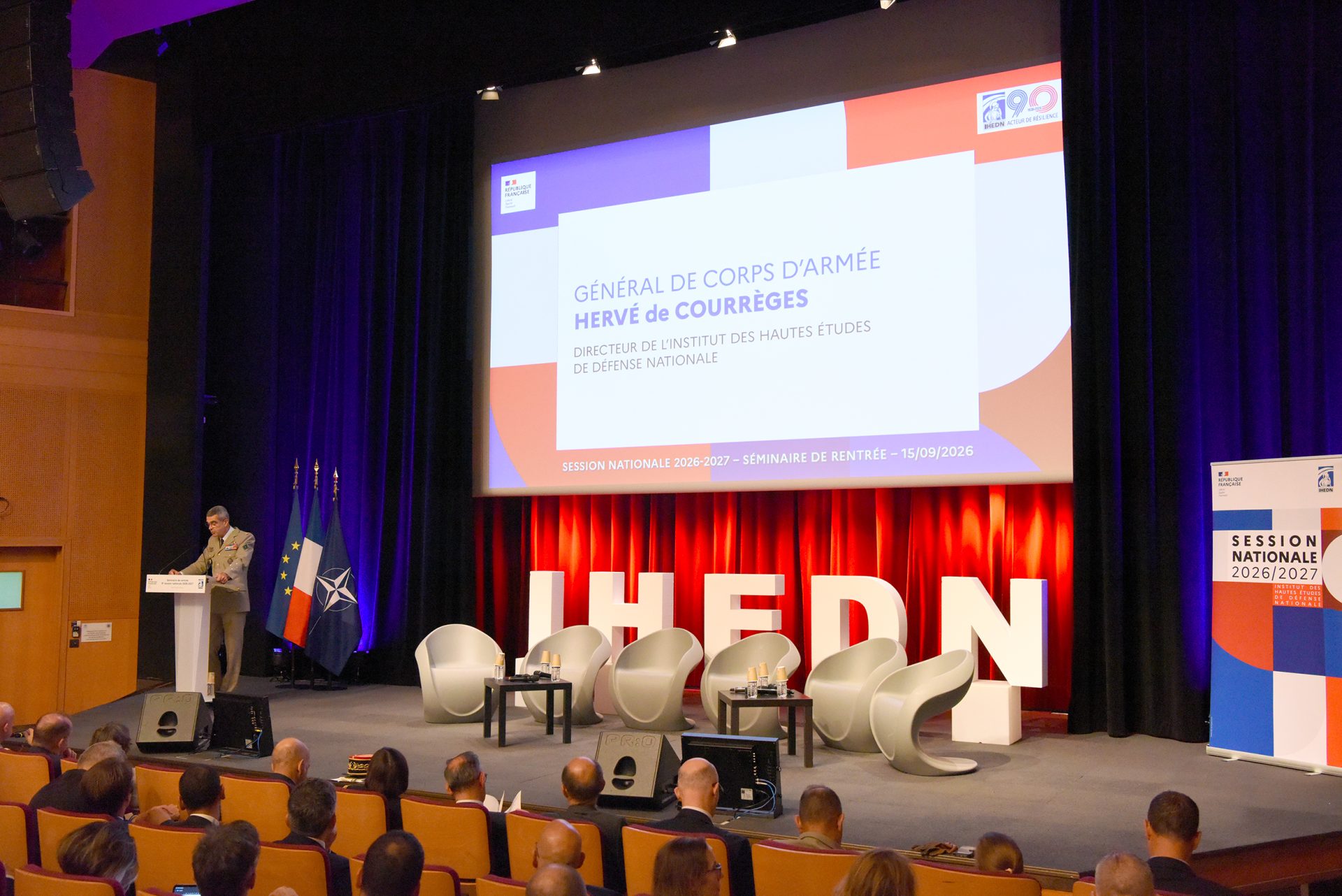
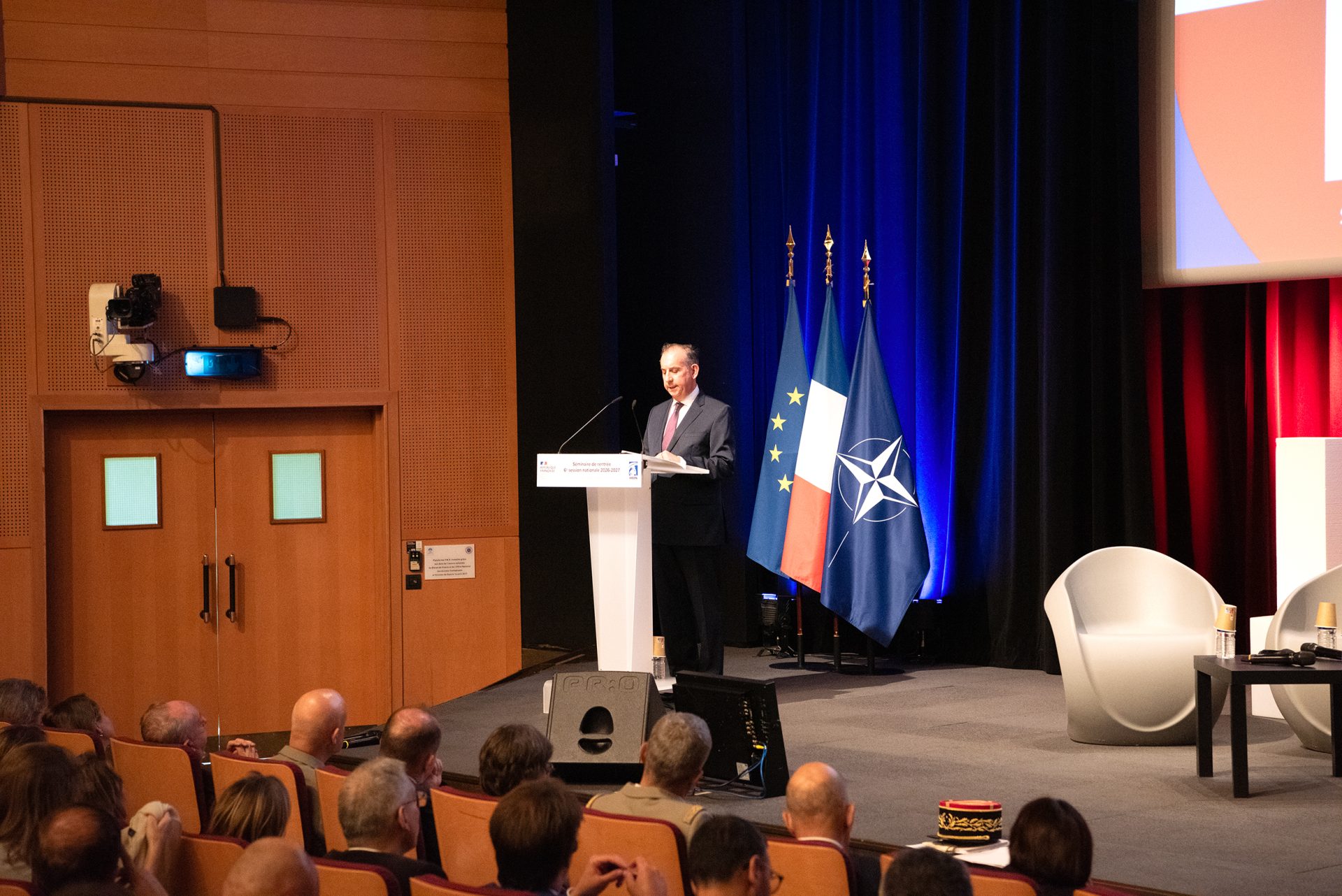
Lieutenant-General Hervé de Courrèges, Director of the IHEDN, opened the day by outlining the institute’s objectives and remit, which have defined this training programme for the past 90 years.
He also presented this year’s study theme: «Strategic solidarity», which will guide their discussions throughout the year.
Why has «Strategic Solidarity» been chosen as the theme for this session?
In an international environment characterised by conflicts, geopolitical realignments and the weakening of multilateral frameworks, France must rethink the way in which it cooperates with its partners and mobilises its own forces. Strategic solidarity refers to this capacity to act collectively to defend shared interests, assets and security. It is not confined to the international arena: it also depends on the coherence of our institutions, our industrial and technological sovereignty, and the resilience of our society.
Over the course of the year, students will explore this concept through four areas of focus:
- International realignment: alliances, partnerships and strategic autonomy.
- Means, organisations and resources: coordination between public and private sector stakeholders in the interests of defence and security.
- Industries and technologies: sovereignty, innovation and mastery of critical technologies.
- Resilience and national cohesion: mobilising citizens and strengthening a collective culture of defence and security.
Four closely interlinked areas relating to a single question: how can we act collectively and effectively in an increasingly uncertain world? This is a question that auditors will need to address in each of their end-of-year committee reports.
A packed programme for the start of the new term
The new academic year continued with a speech by the French Ambassador, Pierre Lévy, Chair of the IHEDN Board of Directors, who came to introduce the IHEDN Board of Directors. On this occasion, he outlined the role of this body, its remit and objectives, as well as its place within the Institute’s governance and strategic direction.
Prefect Nicolas Basselier, Deputy Director of the Institute, then gave an overview of this new intake. For the third year running, the national intake saw an increase in the number of applications, enabling a more rigorous selection process for the trainees who make up the intake.
This 6th national session brings together 291 participants from a variety of professional and institutional backgrounds, including 7 participants from the overseas territories, 10 Members of Parliament and 32 participants from the Centre for Advanced Military Studies (CHEM), 7 of whom are from abroad.
This diversity of backgrounds is one of the strengths of the national session and, throughout the year, encourages the exchange of experiences, expertise and perspectives on defence and security issues.
The attendees then learnt about the École Militaire’s Defence Academy (ACADEM), of which the IHEDN is a member alongside 20 other organisations. The purpose of this organisation is to develop and promote French training, research and doctrine in the fields of defence and security. An ecosystem on which the trainees will be able to rely throughout the year.
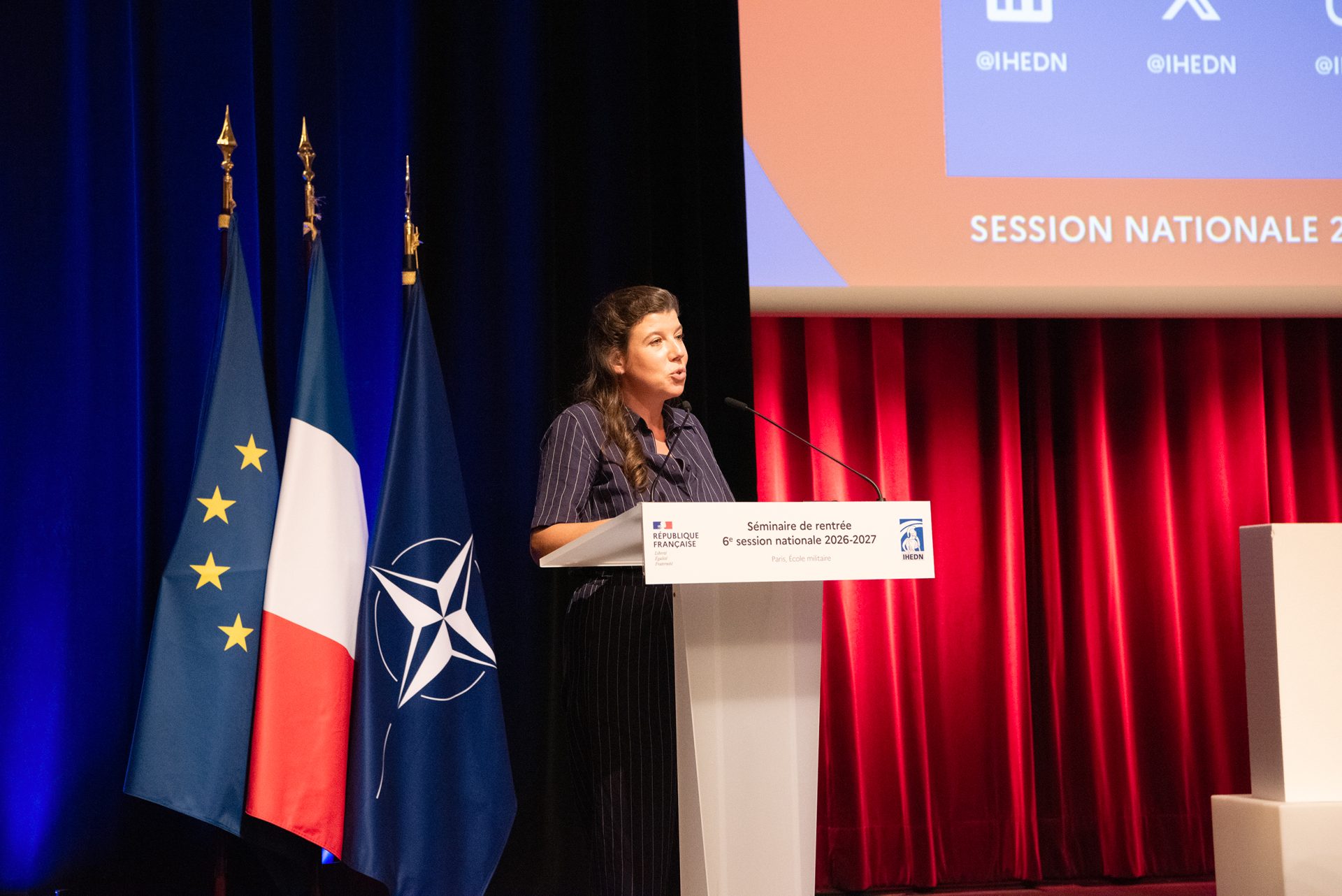
The presentation of the national session continued with Caroline Salahun, Chief Armaments Engineer and Head of the National Session Department. She outlined the structure of this training programme, which is based on a common core and five specialisms, in order to better address «the interdependence of global challenges».
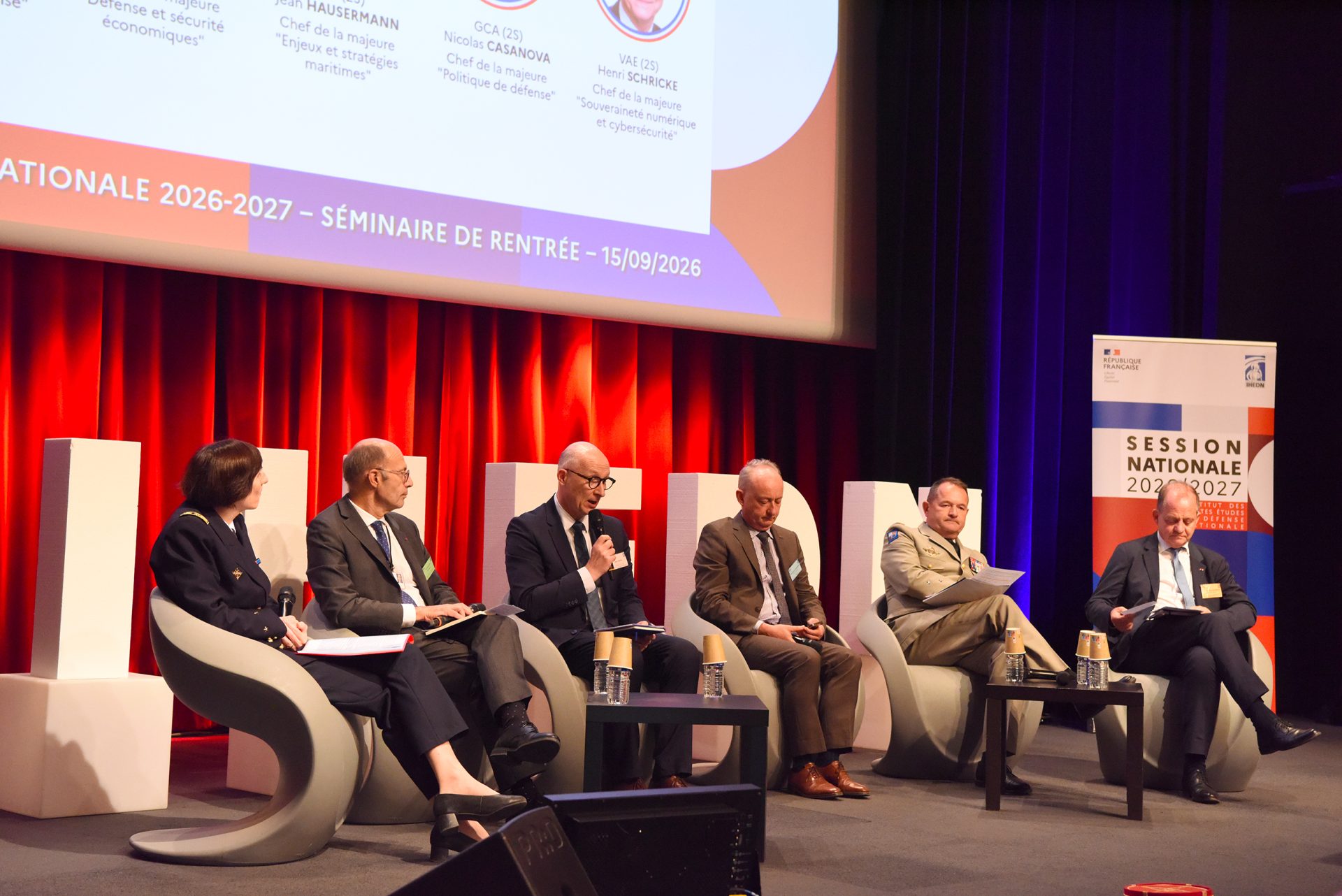
The five heads of department then joined her to introduce their teams, outline their career paths and explain the specific features of their respective fields. They also explained the links between these different areas and how they relate to the annual theme, «Strategic Solidarity».
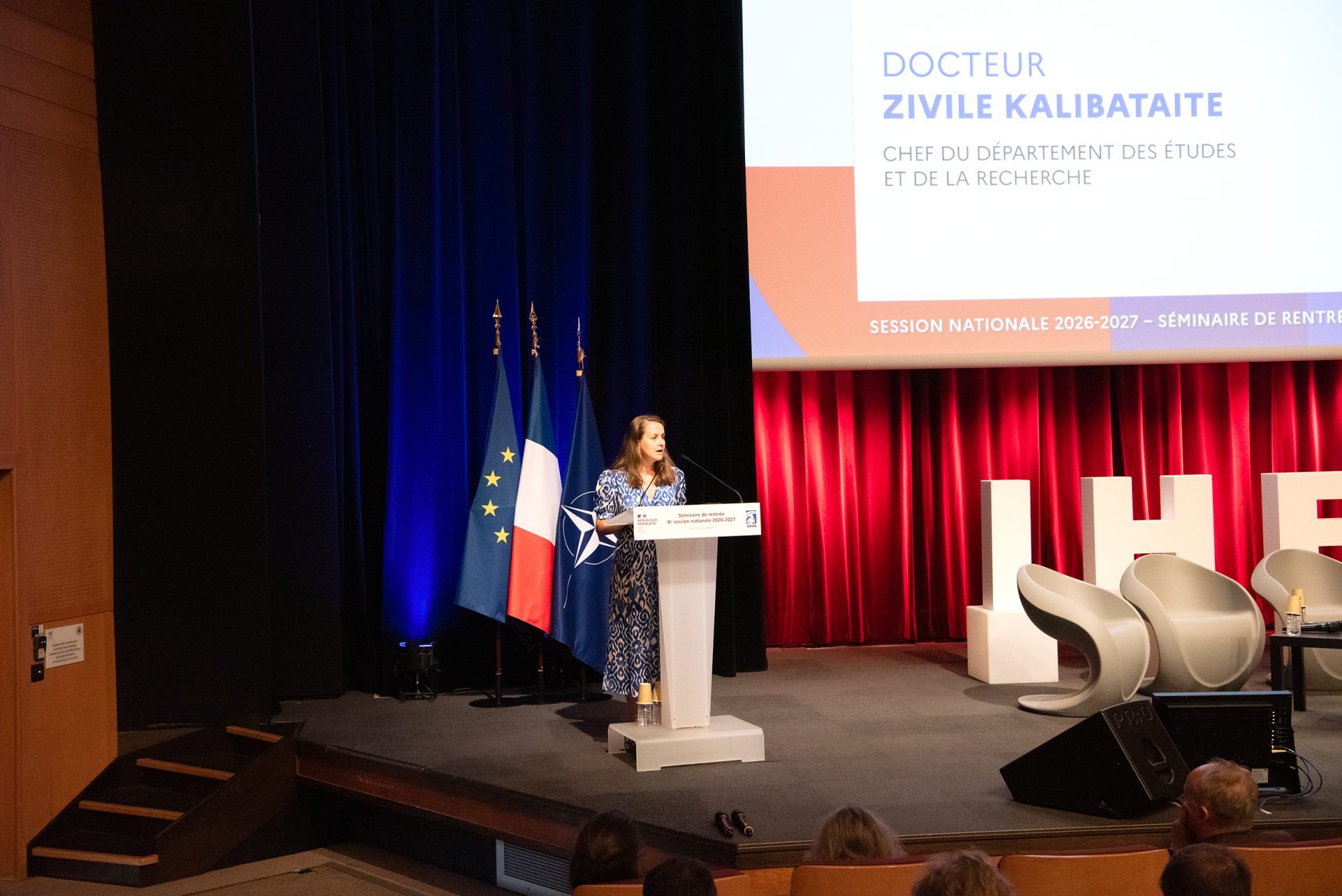
This topic was explored in greater depth by Dr Zivile Kalibataite, Head of the Department of Studies and Research (DER), who, together with her team, will support the students throughout their course to ensure the consistency of the teaching approach.
Alexia Graff, Director of the Institutional Relations and Communications Department (DRIC), then outlined the DRIC’s role in relation to students: to provide them with additional resources to inform their thinking and support them in their digital practices. In particular, she emphasised that the content produced by the Institute (analyses, interviews and strategic insights) serves as monitoring and working tools which trainees are encouraged to draw upon throughout their programme, concluding by emphasising the importance of trainees communicating responsibly on each of their platforms, adopting an approach consistent with IHEDN’s values: neutrality, exemplary conduct and courtesy.
The day continued with an afternoon of talks:
- Thomas Gomart, Director of Ifri, opened this session with a presentation on the «Overview of the Contemporary World», enabling participants to situate their year of reflection within the current strategic context.
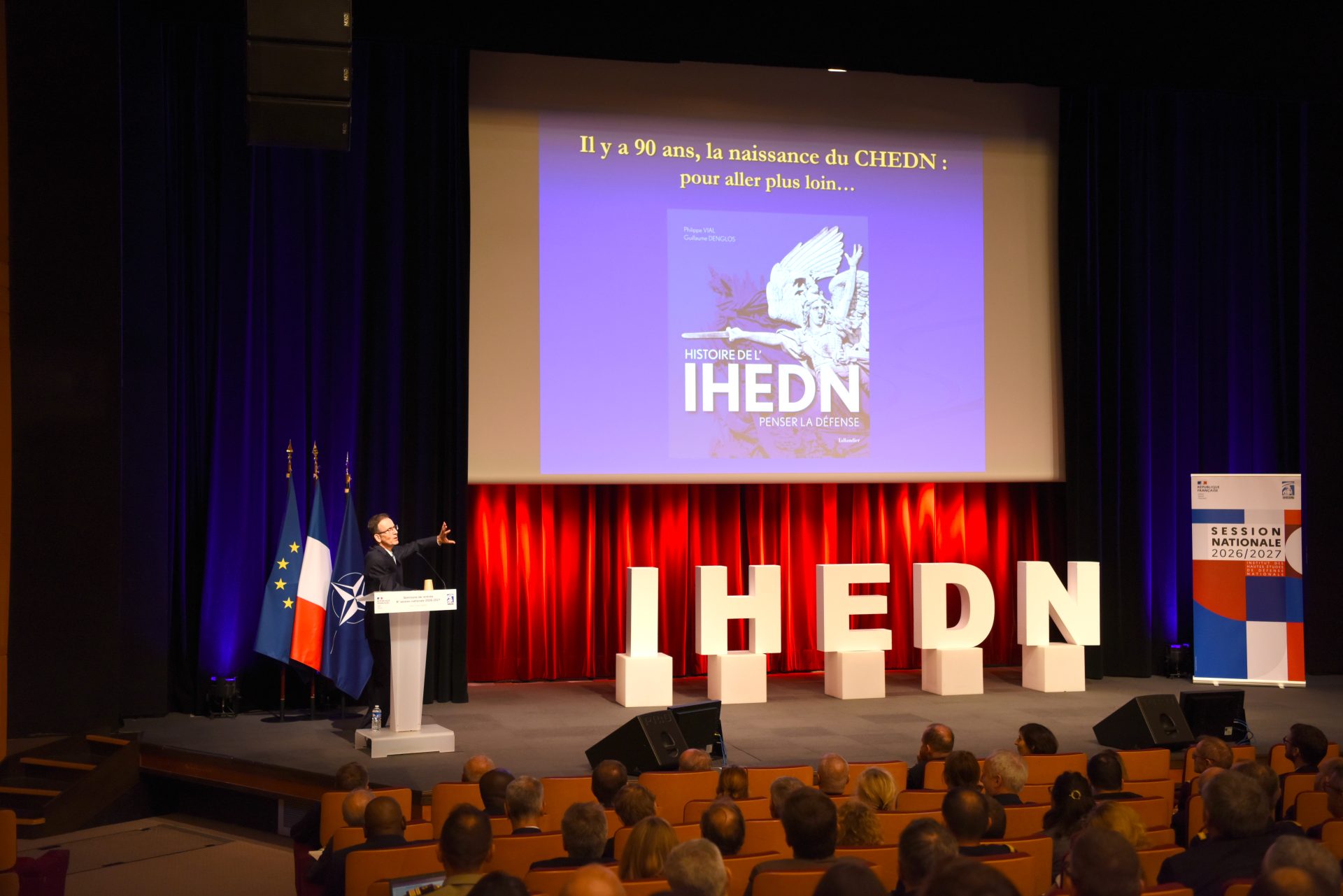
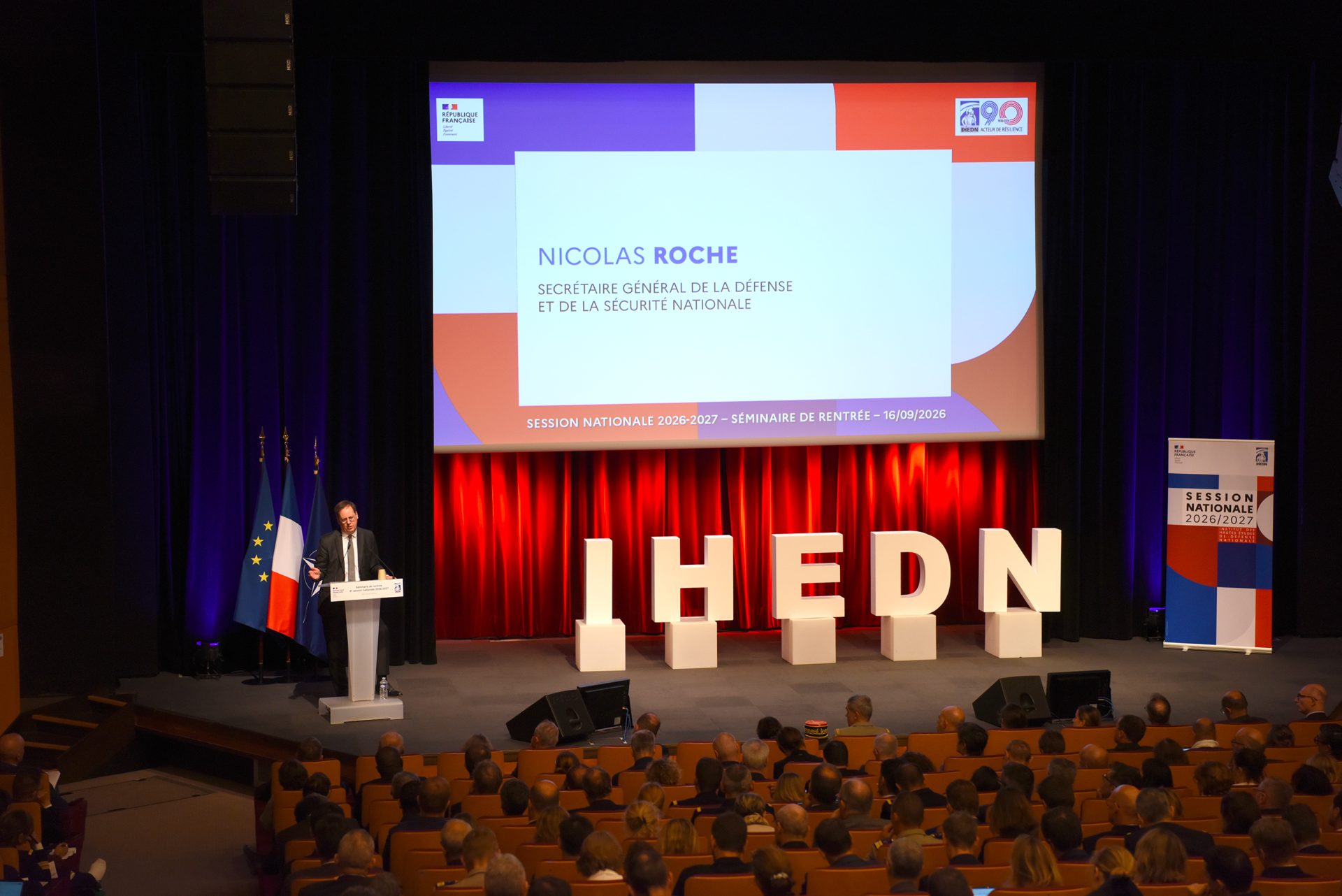
- Dr Philippe Vial, a historian and lecturer at the Centre for Advanced Military Studies (CHEM), then presented an analysis of the «National Defence Concept». Finally, Nicolas Roche, Secretary-General for Defence and National Security (SGDSN), explained how the 2025 National Strategic Review is being implemented in practice within French security policies, particularly in the face of hybrid threats.
An initial experience within the French armed forces
The very next day, the students had their first hands-on experience at various iconic Armed Forces sites, depending on their specialism: –
- The Defence Policy degree programme at the National Commando Training Centre in Collioure (Pyrénées-Orientales),
- The Defence and Economic Security (DSE) and Digital Sovereignty & Cybersecurity (SNC) specialisms with the 13th Alpine Chasseurs Battalion in Tignes (Savoie) and subsequently at the French Atomic Energy Commission (CEA) site in Grenoble (Isère),
- And the major courses in Armaments and Defence Economics (AED) and Maritime Issues and Strategies (ESM) at the 3rd Marine Infantry Regiment at Fort Penthièvre (Morbihan).
On the programme: an in-depth look at the units, an insight into their missions and areas of expertise, workshops and role-play exercises, a presentation of the latest equipment and materials, and exclusive discussions with the men and women dedicated to defending our country
Far more than just a simple visit, these trips enabled the trainees to compare theoretical learning with the reality on the ground for the first time, to gain a better understanding of current operational challenges, and to experience the day-to-day lives of those who serve France.
 French
  English