
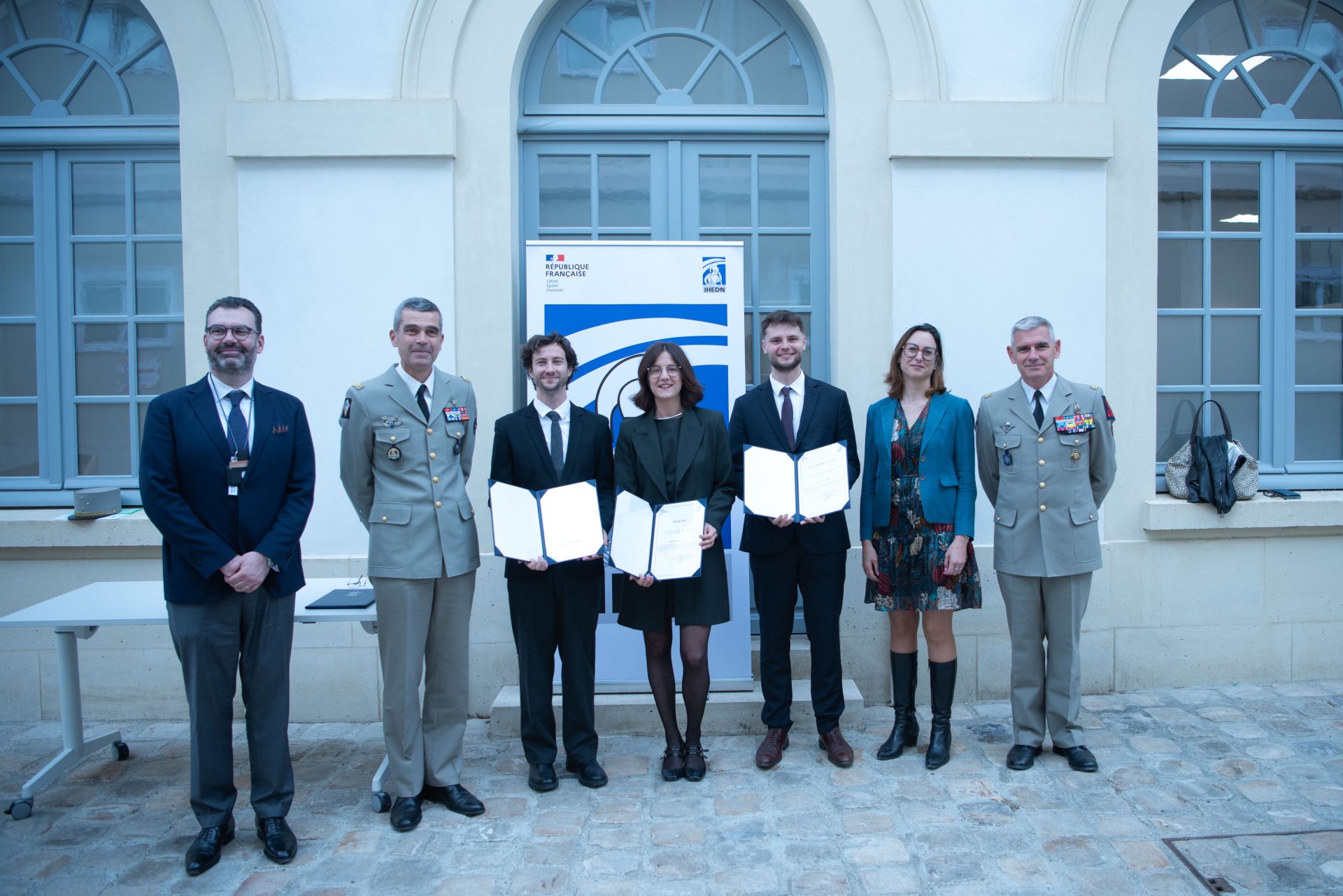
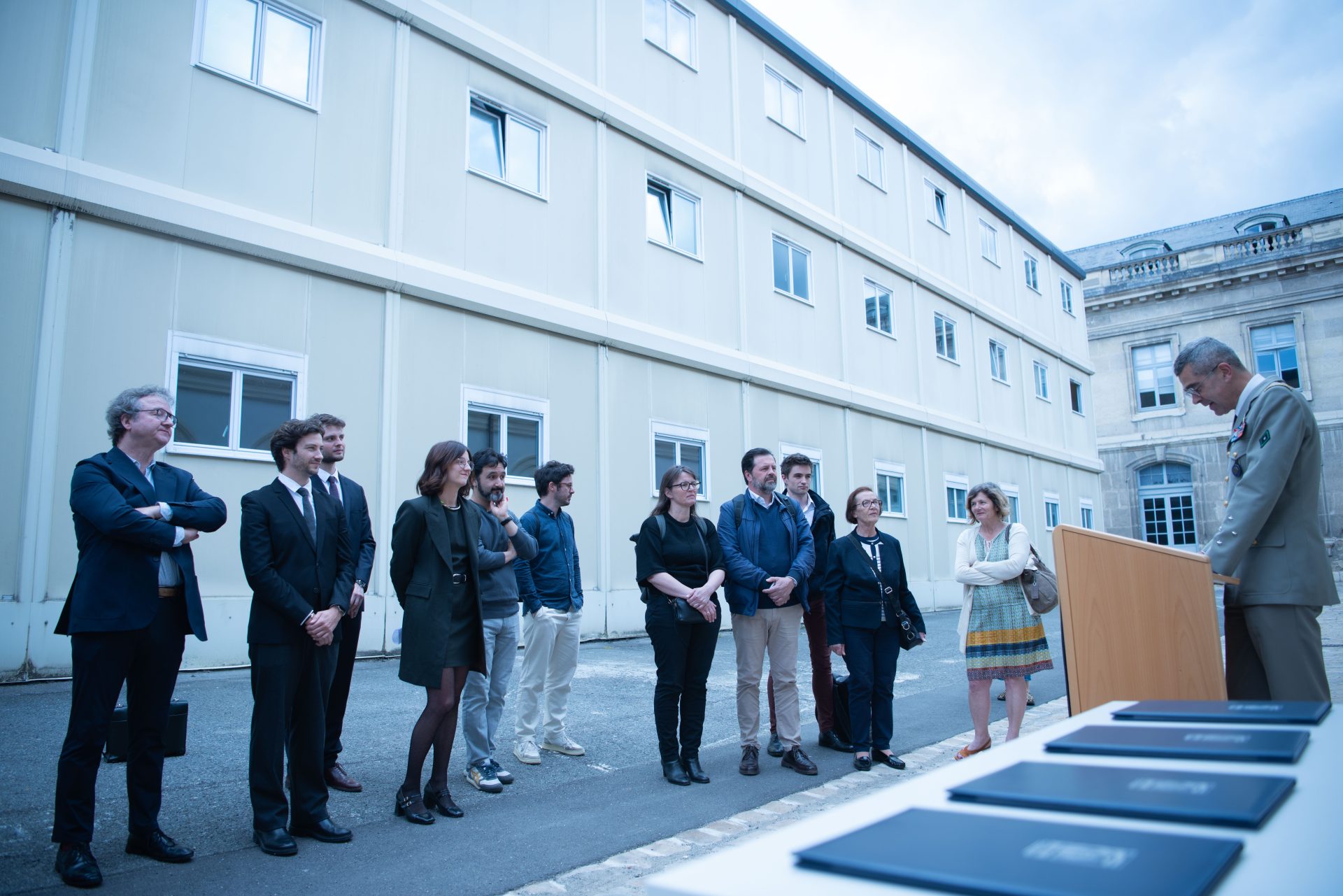
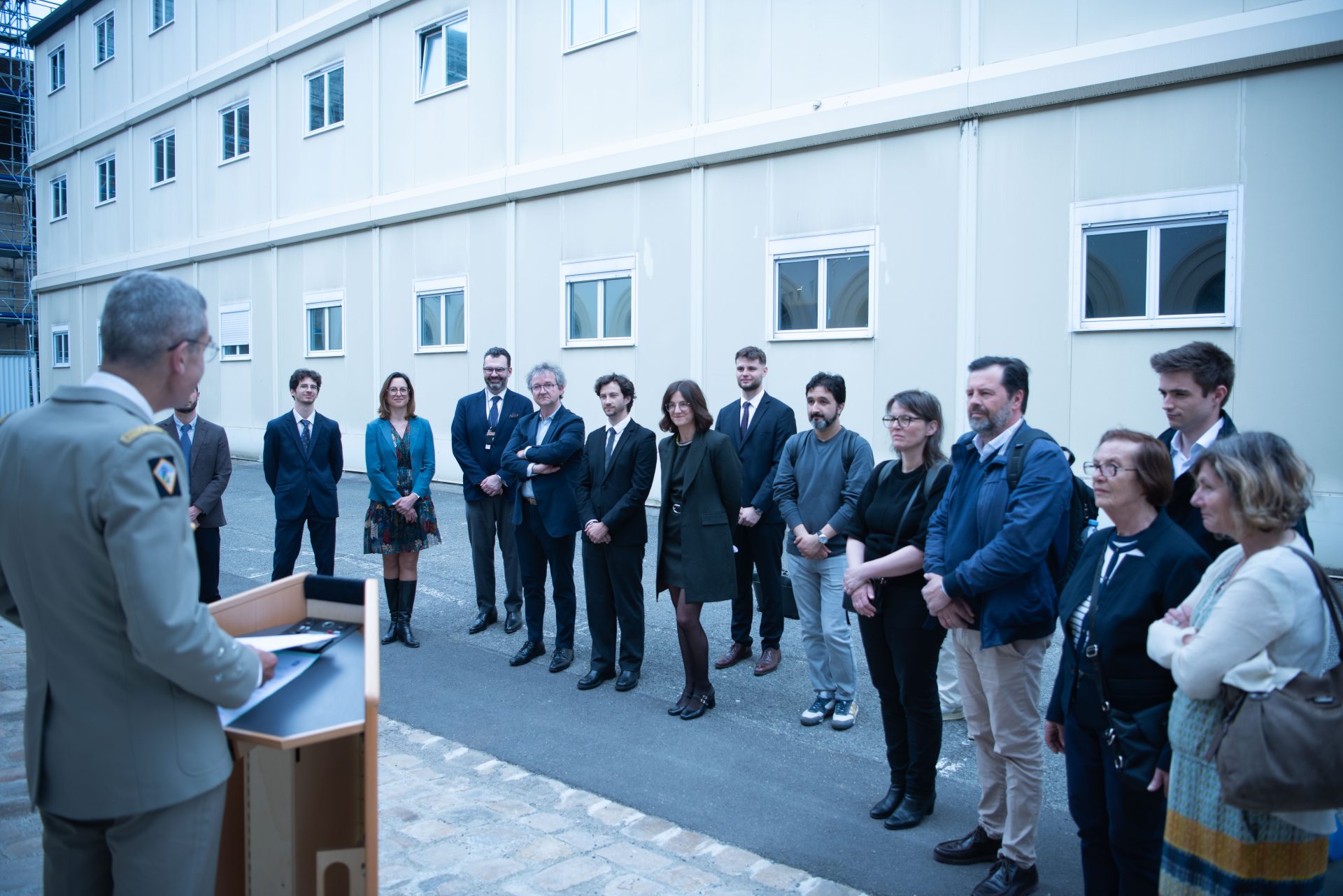
This year, the IHEDN has recognised four researchers for their work on defence and security issues. Among the 41 submissions examined by an independent scientific panel – comprising 26 doctoral theses and 15 Master’s dissertations – their research stood out for its quality, originality and contribution to strategic thinking.
This edition highlights the breadth and diversity of the disciplines drawn upon to examine contemporary changes in defence: law, geopolitics, international relations, strategy and political science, reflecting the dynamism of French research in these fields. These complementary perspectives provide a better understanding of the changes in our strategic environment and shed light on the challenges ahead.
Four studies to shed light on the defence challenges of the future
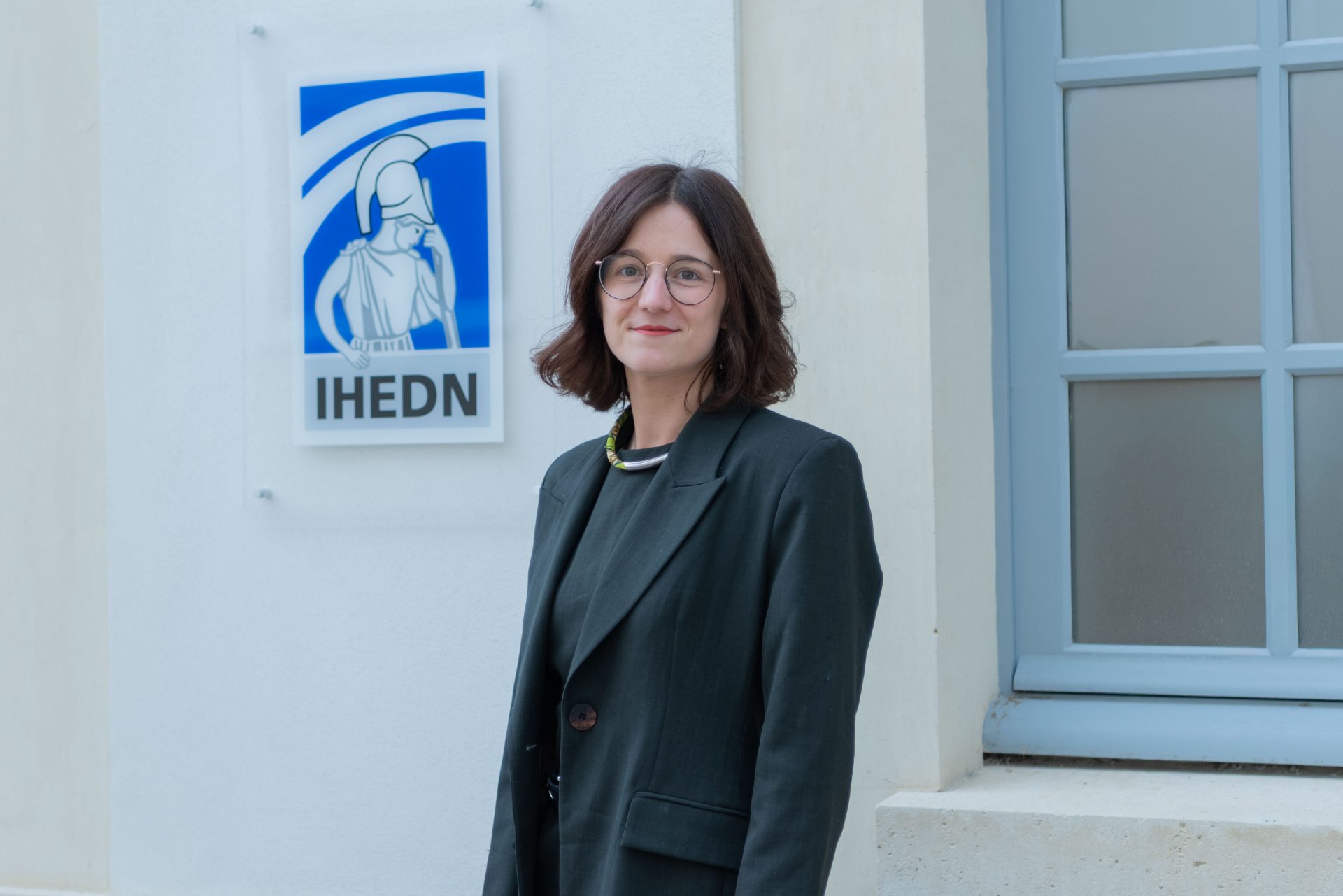
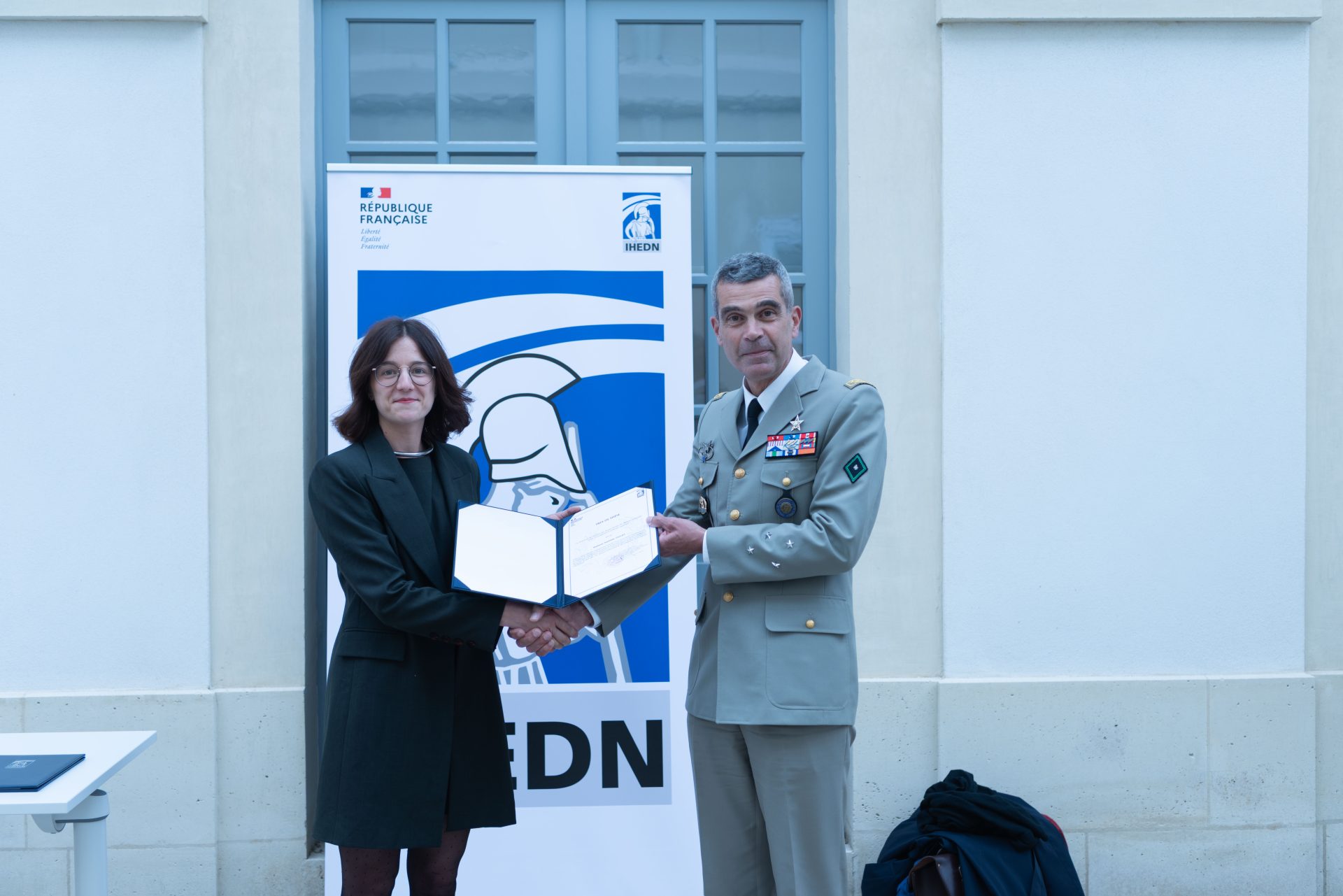
The Thesis Prize was awarded to Mathilde Velliet for her thesis, completed at Paris Cité University and entitled «Between security and militarisation: The development of US policies to protect strategic technologies in the face of China (2009–2025)». This thesis on the language and cultures of English-speaking societies traces the gradual hardening of US technology policy towards China. It explains how technology has become a key tool in the strategic rivalry between Washington and Beijing, serving the interests of national security and the maintenance of US supremacy.
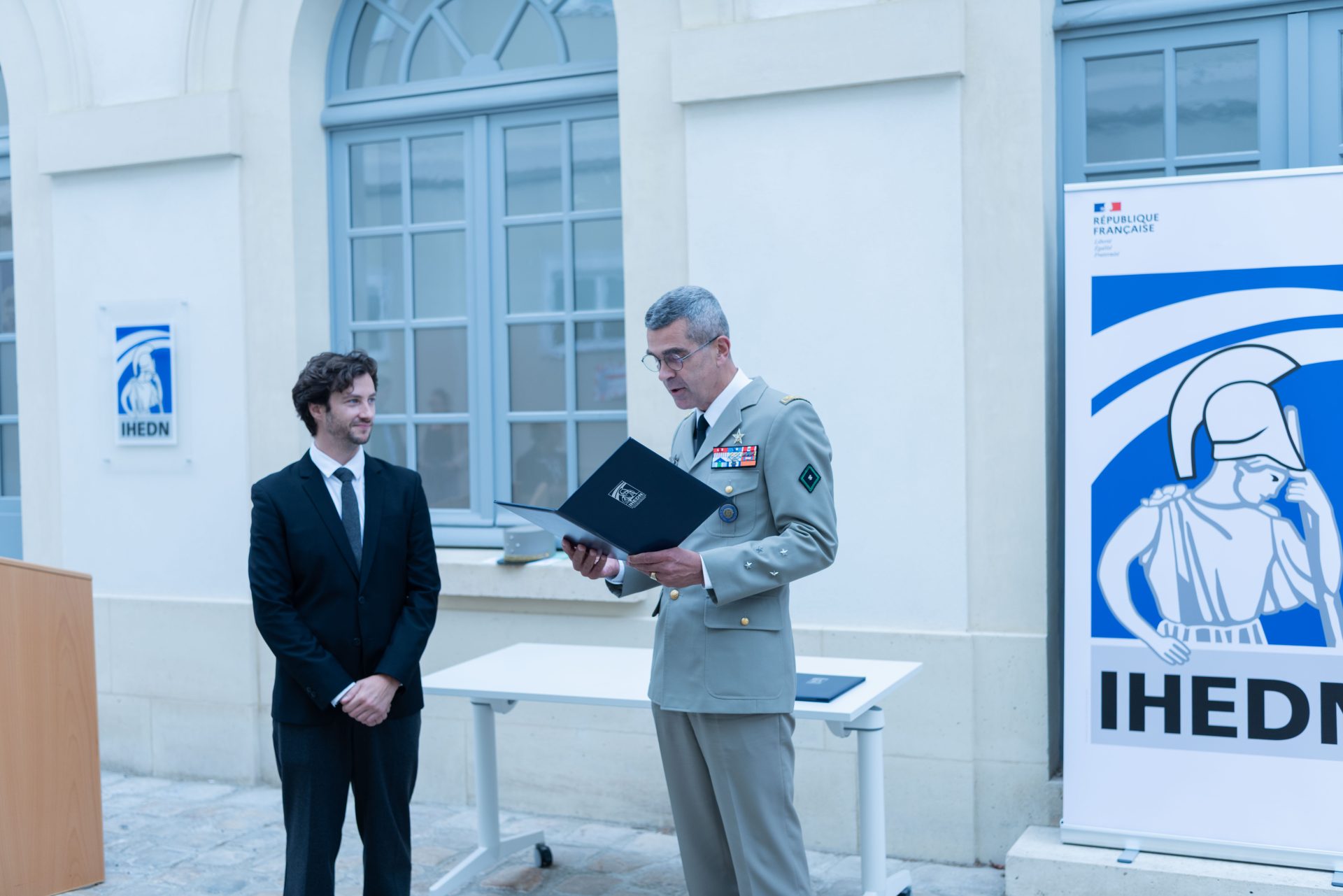
The Thesis Prize has been awarded to Luka Aleksic for his research carried out at Paris 8 University – French Institute of Geopolitics, «Ambitions for strategic autonomy in the defence aerospace sector: a comparative study of the Rafale, F-35, Eurofighter Typhoon and JAS 39 Gripen programmes». This dissertation on the geopolitics of cyberspace and data science analyses how France, the United States, the Eurofighter consortium countries and Sweden conceive of strategic autonomy in the defence aerospace sector. It highlights the trade-offs between national independence, industrial cooperation and technological dependencies in a highly strategic sector.
In addition, a Special Prize was awarded jointly.
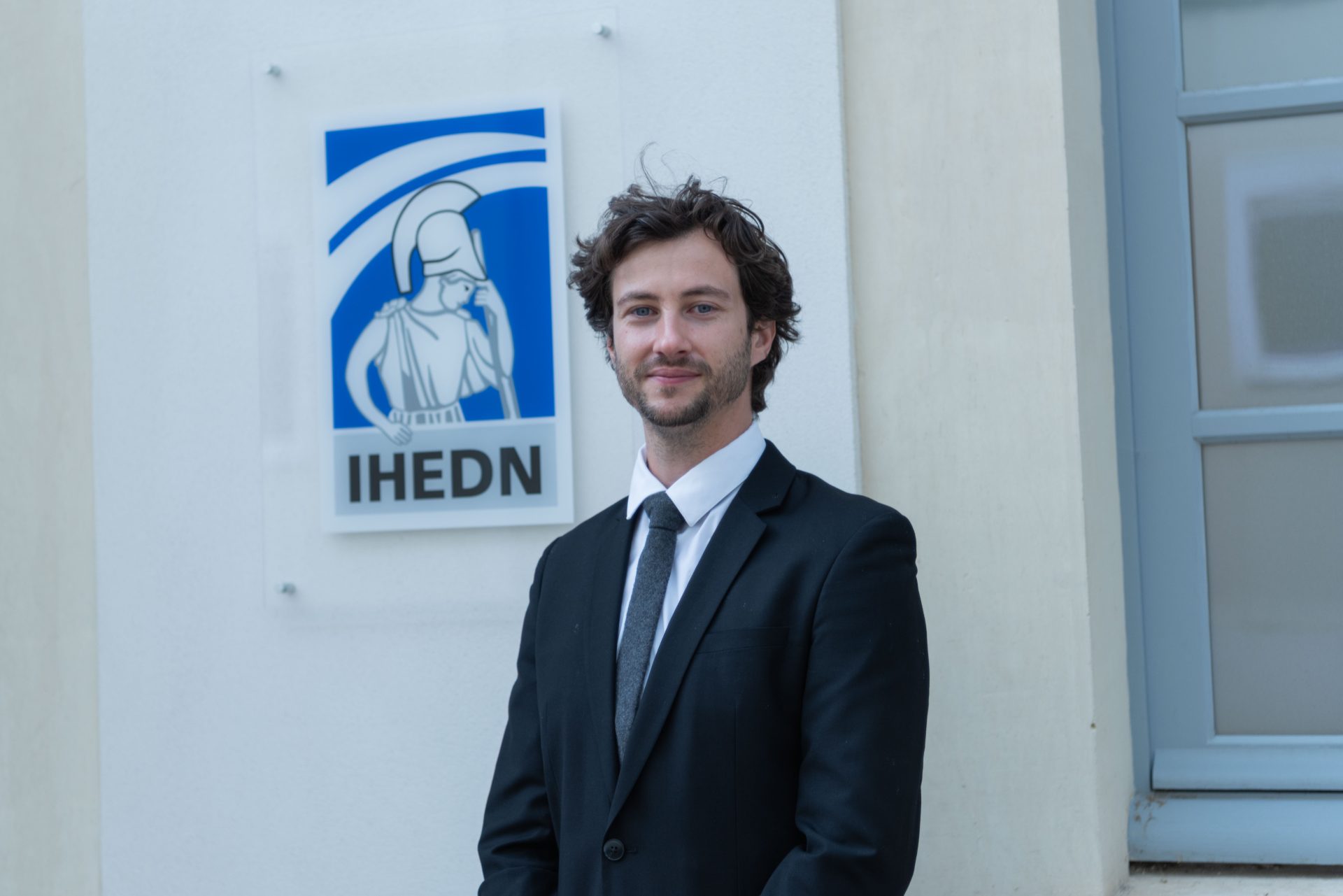
Victor Martignac has been recognised for his work «The Military Constitution: A Critical Study of the Law Governing the Deployment of the Army on the mainland». This thesis on public law, defended at Panthéon-Assas University, highlights current legal ambiguities – particularly concerning schemes such as Sentinelle – and examines the fragility of the constitutional foundations governing the use of military force in internal security. The author argues for a clarification of the legal framework in order to better distinguish between internal security and the logic of war.
The second Special Prize is awarded to Louis Perez for his thesis «International legal regulation of military artificial intelligence». This doctoral thesis, also in public law at Panthéon-Assas University, analyses the challenges involved in the international legal regulation of military artificial intelligence. The author proposes a rigorous definition of AI, free from fanciful notions of «super-intelligence», in order to provide a clearer framework for its practical applications. Her work emphasises that regulation must focus primarily on the uses and operational effects of AI systems, particularly in the military sphere, rather than on the technology itself.
Four research projects, one shared ambition: to understand the changes taking place in the defence sector
Whilst this year’s award-winning works cover a wide range of subjects and disciplines, they share one key commonality: defence issues can no longer be understood through a single lens. New technologies, competition between powers, industrial autonomy, law, artificial intelligence and the use of the armed forces: the current changes in the strategic environment require us to bring together different perspectives and areas of expertise.
The unprecedented number of applications considered by the jury this year is a testament to this wealth of research. They also demonstrate that academic research is fully engaging with the changes affecting defence and security, offering analyses that enable us to better understand current developments and anticipate those to come.
Through its academic awards, the IHEDN thus helps to develop and promote a culture of defence, by fostering dialogue between the various stakeholders involved in strategic thinking, and by strengthening links between the IHEDN and the academic world. By raising the profile of this research and its authors, the Institute helps to facilitate the exchange of knowledge between the academic world, institutions and defence stakeholders. Understanding contemporary strategic challenges requires the ability to draw on independent, rigorous and multidisciplinary research. Recognising this work therefore means investing in the strategic thinking of tomorrow, encouraging a new generation of researchers and helping to inform the decisions that shape France’s defence and security.
 French
  English