

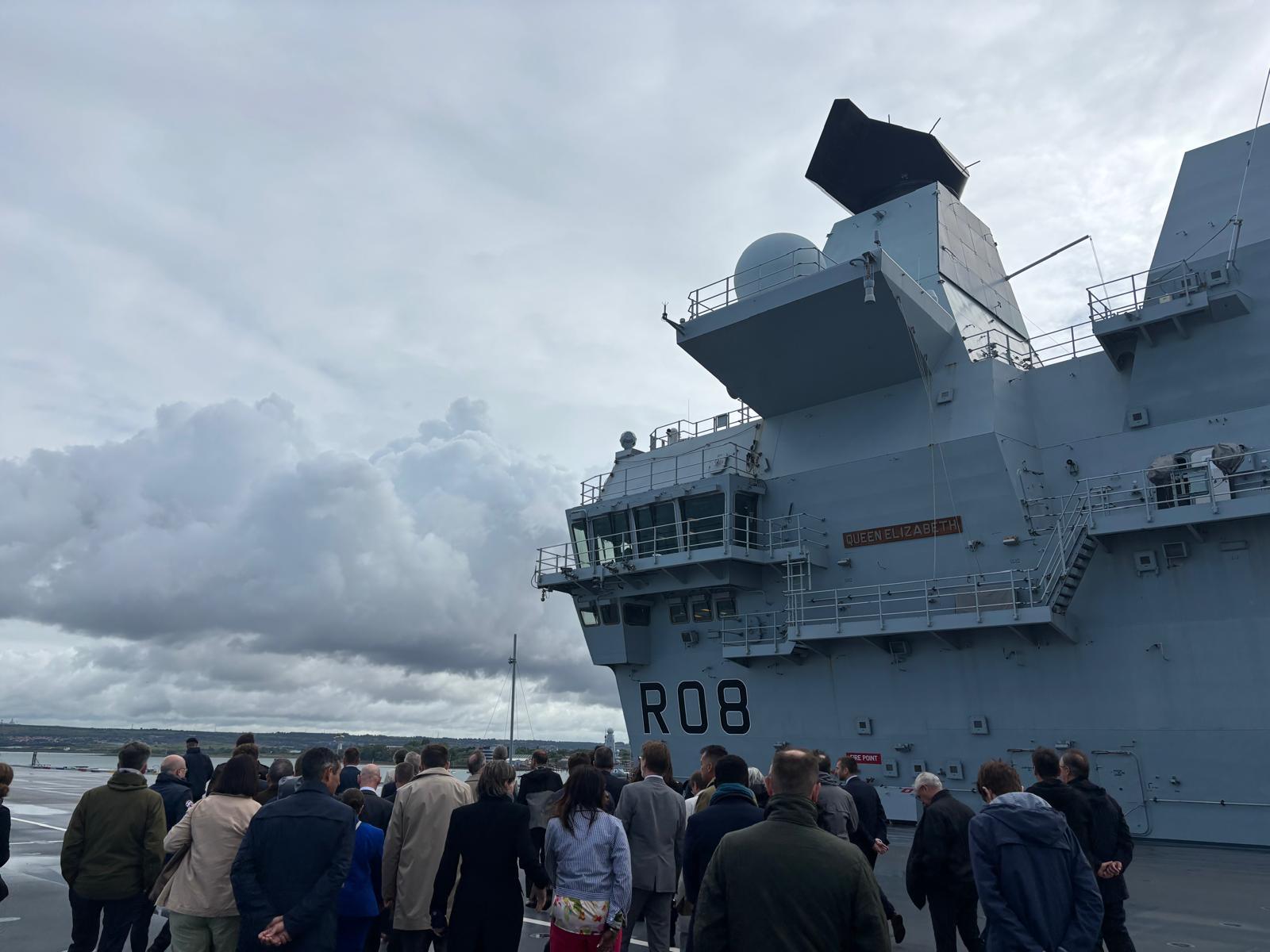
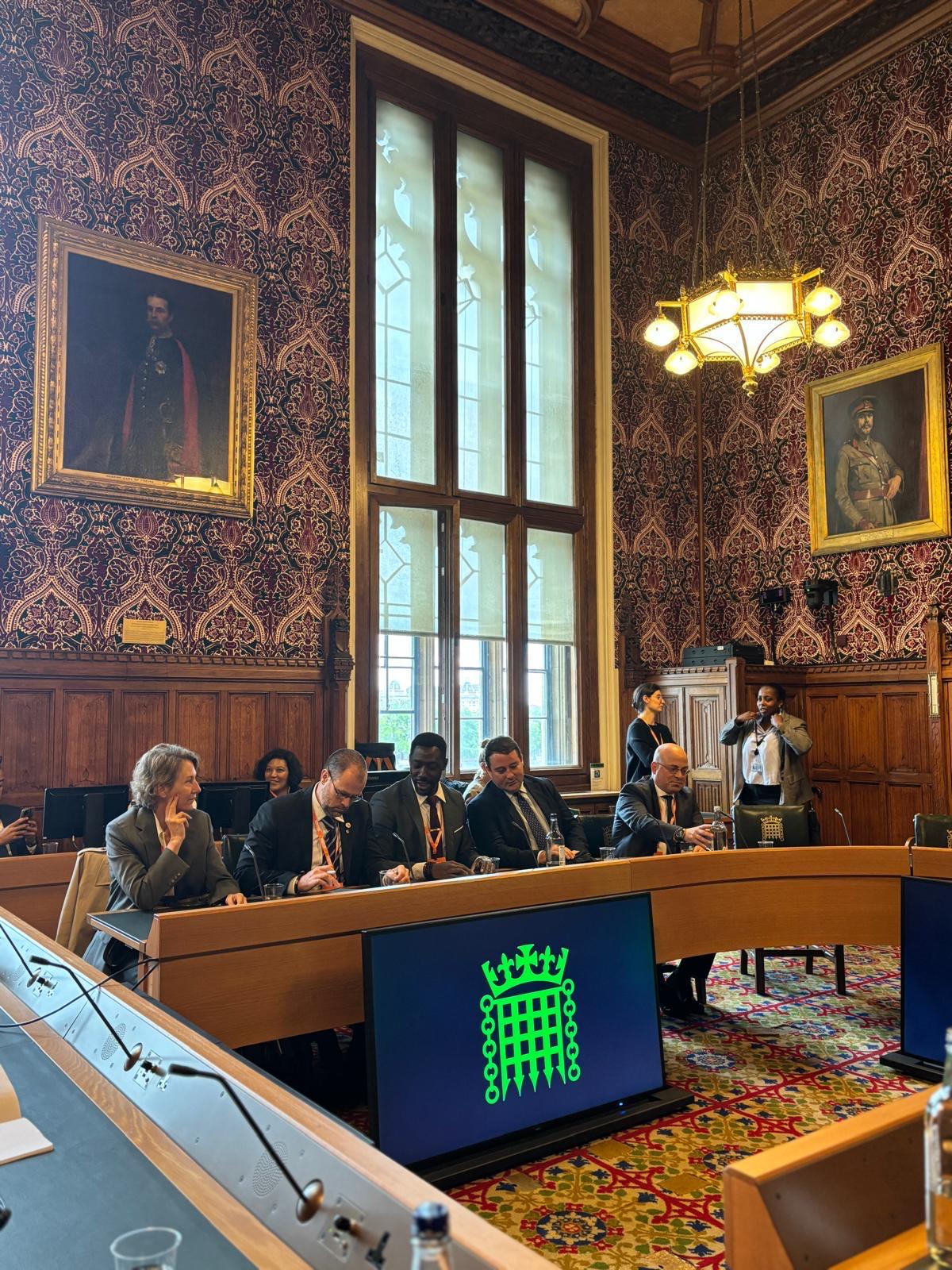
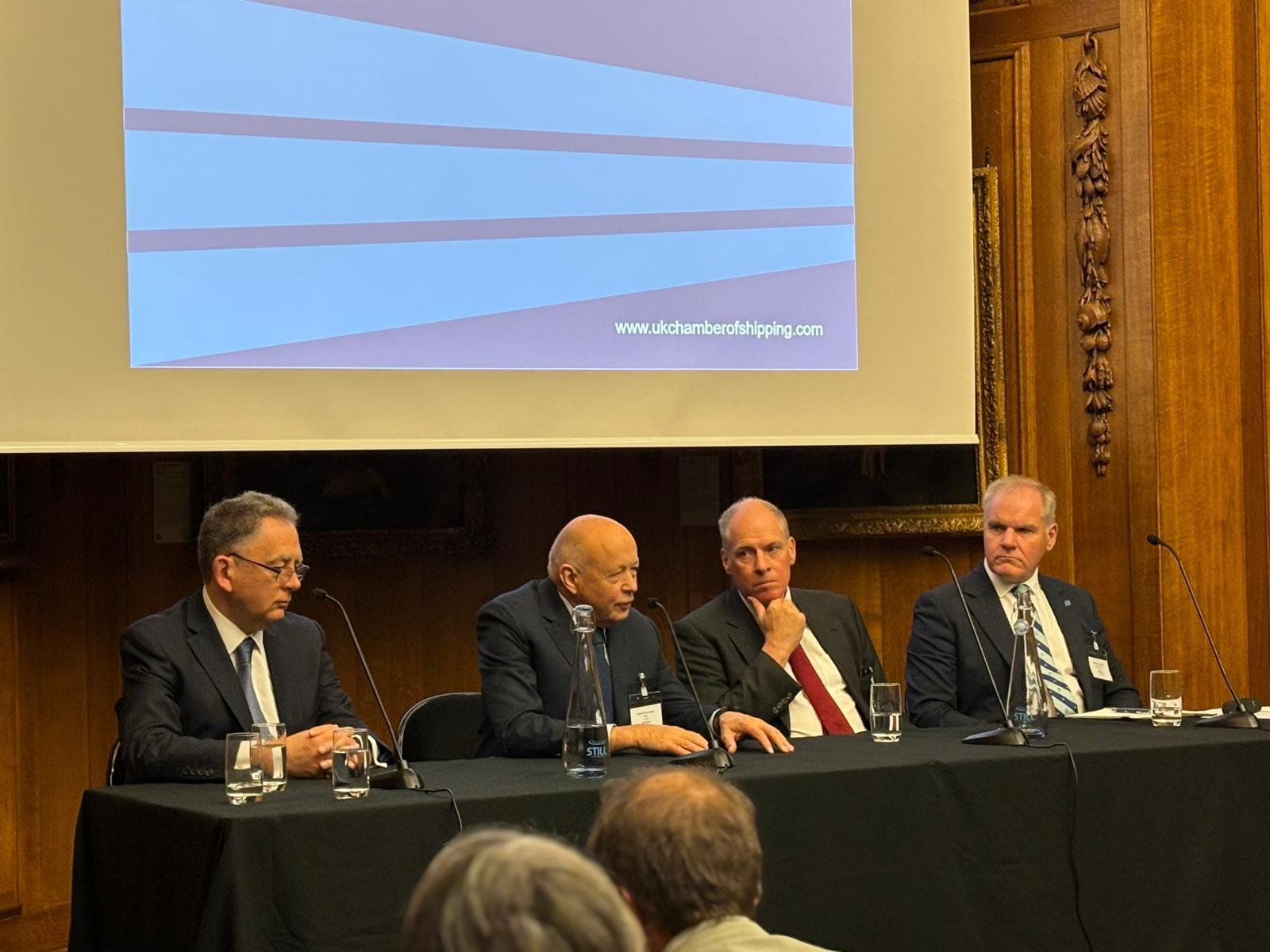
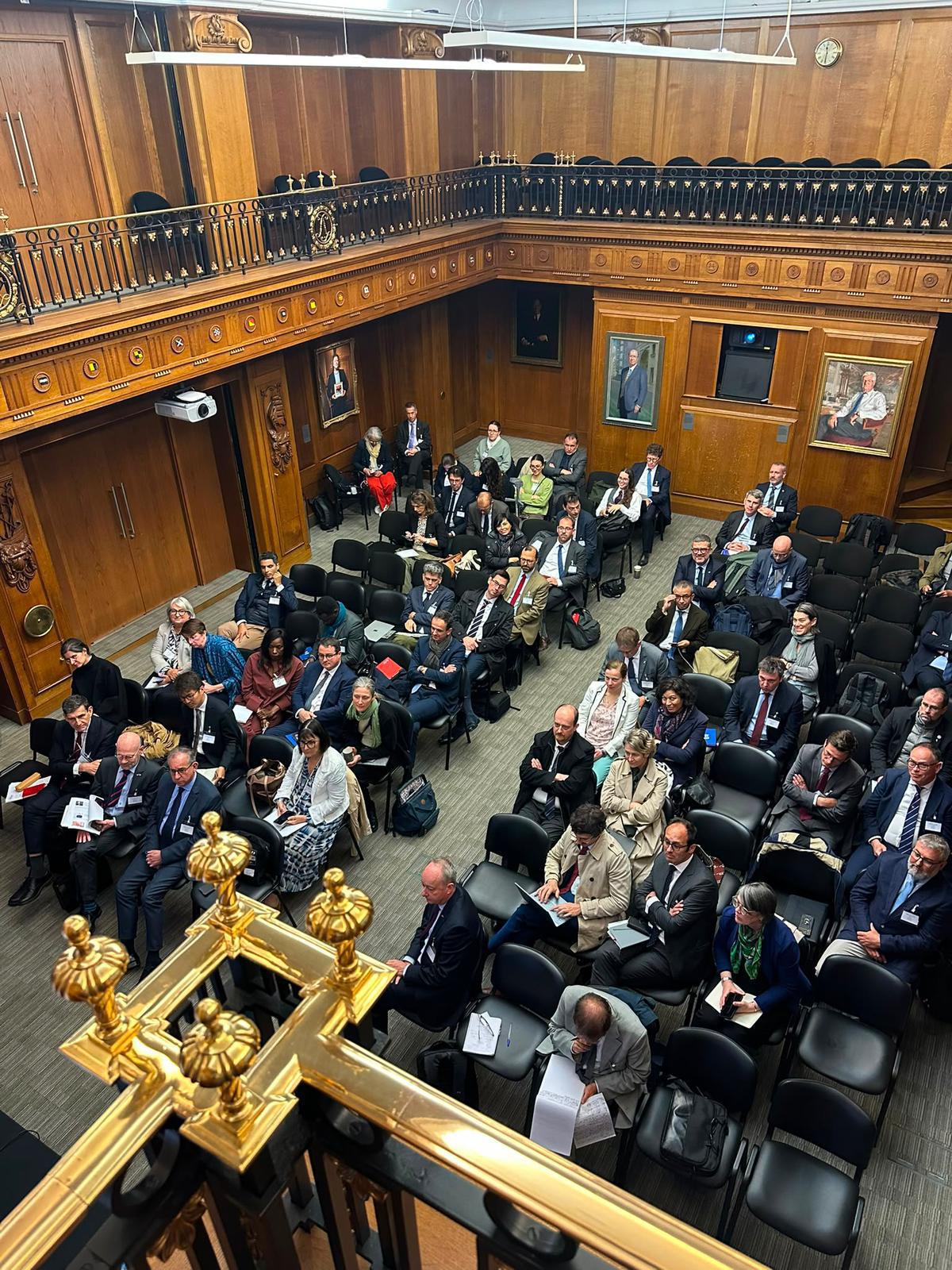
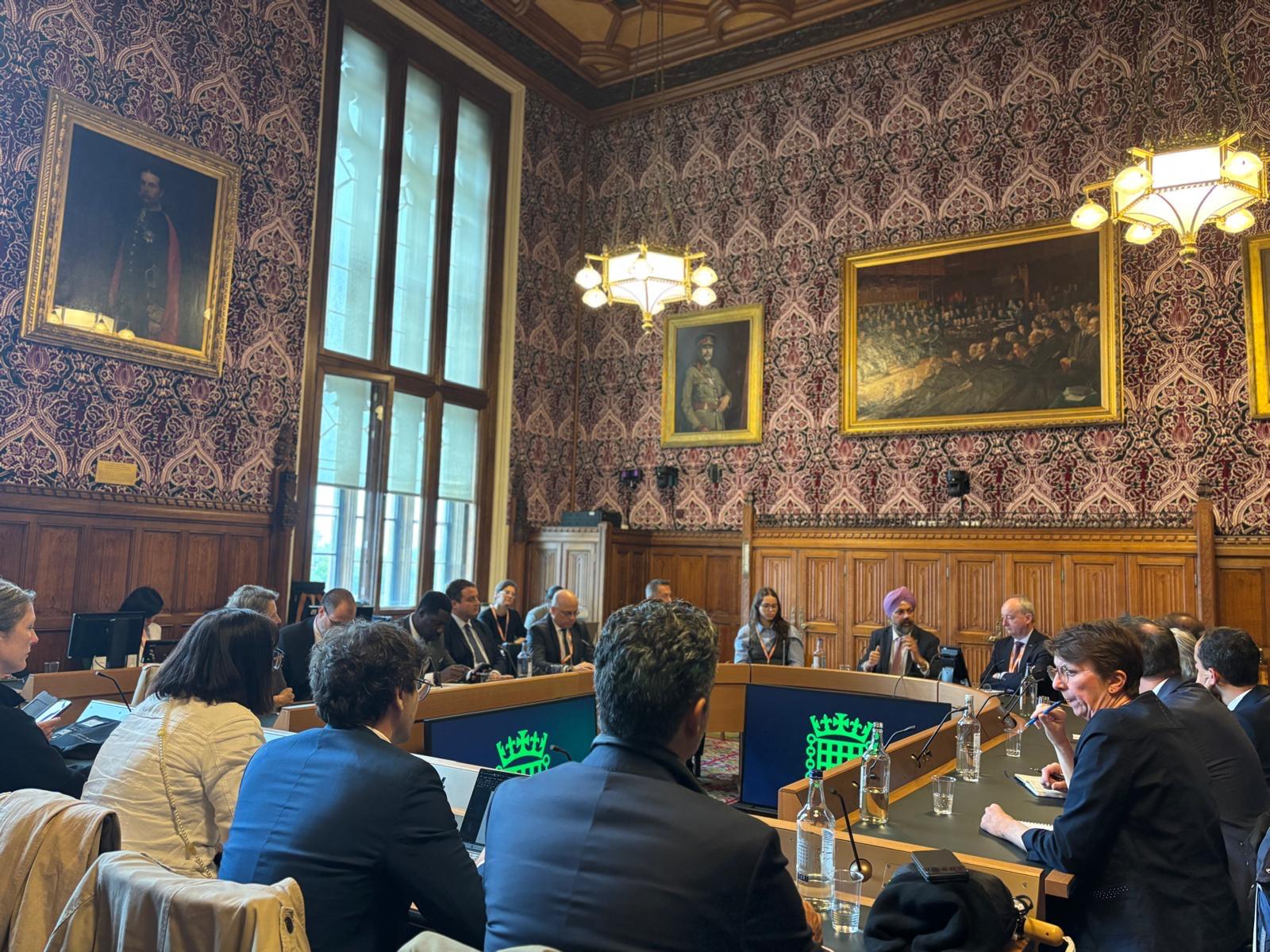
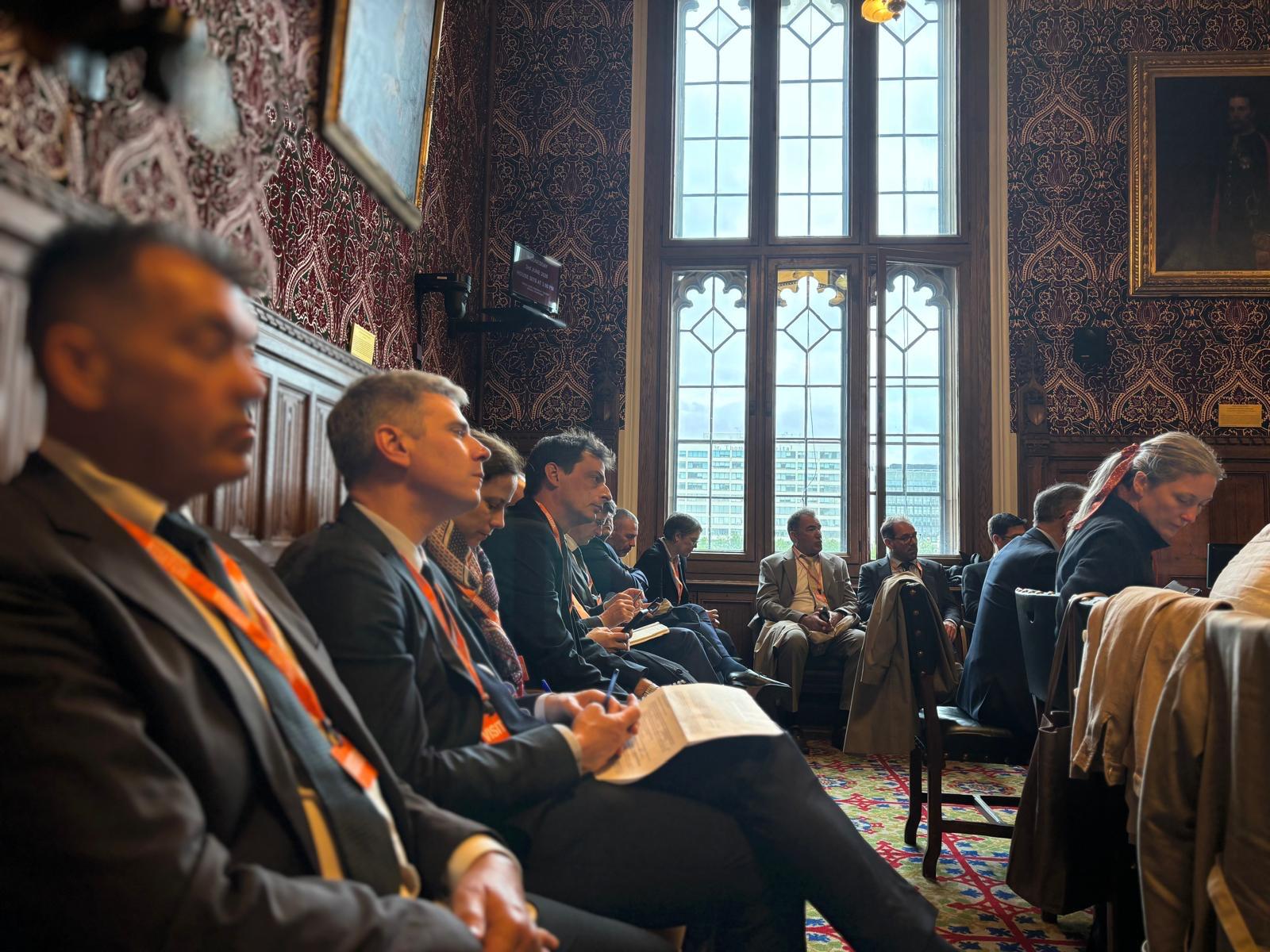
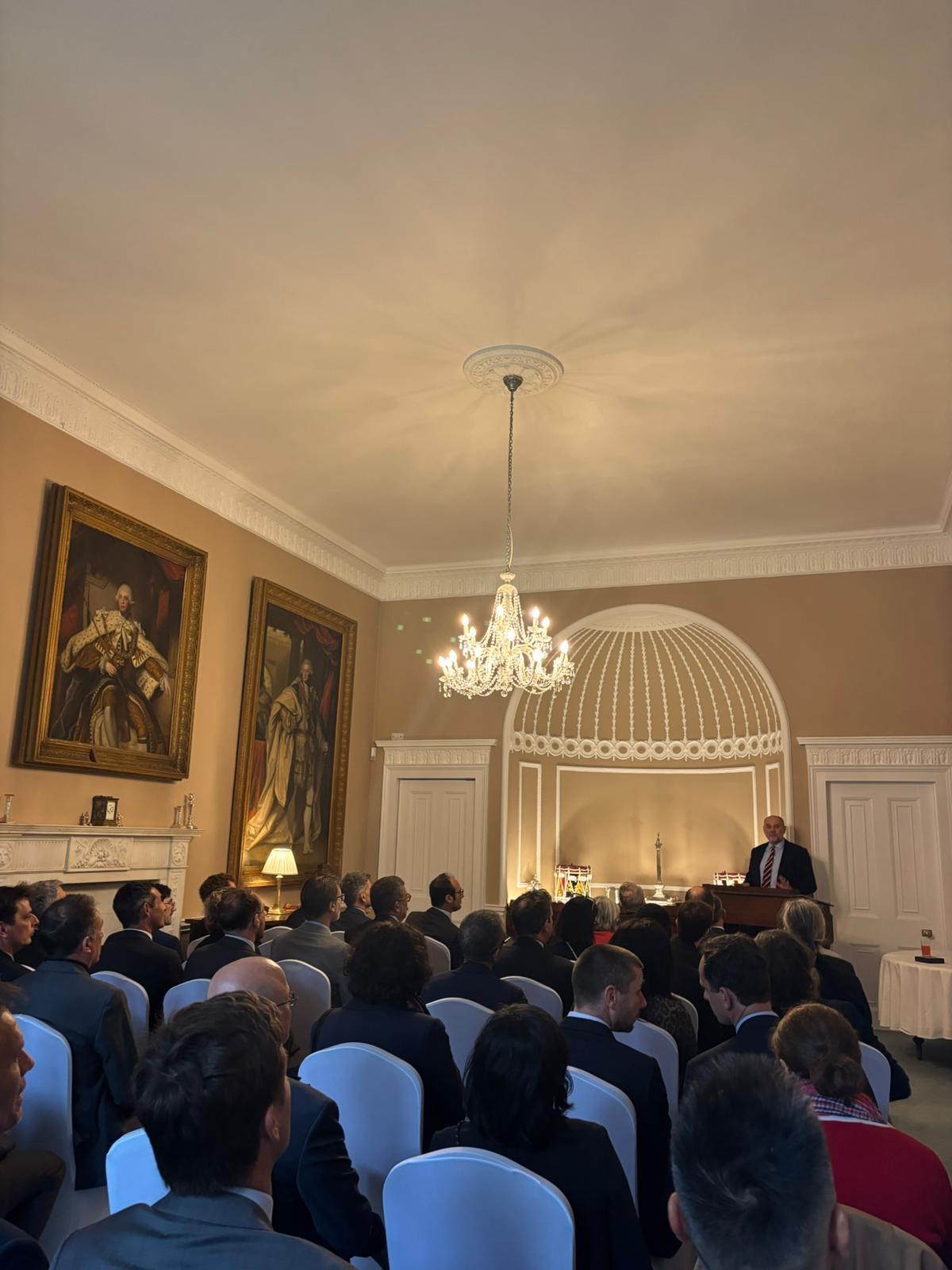
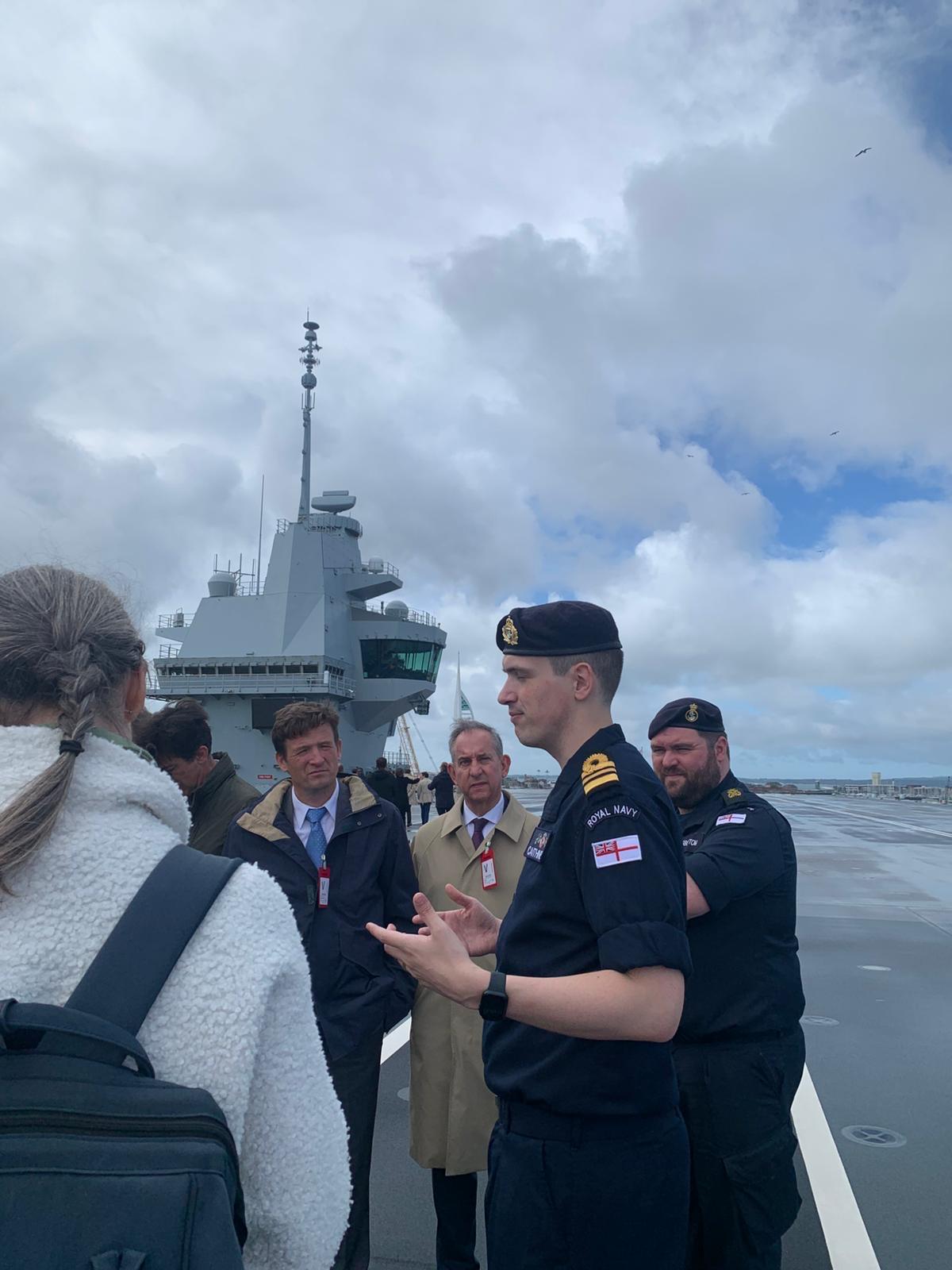
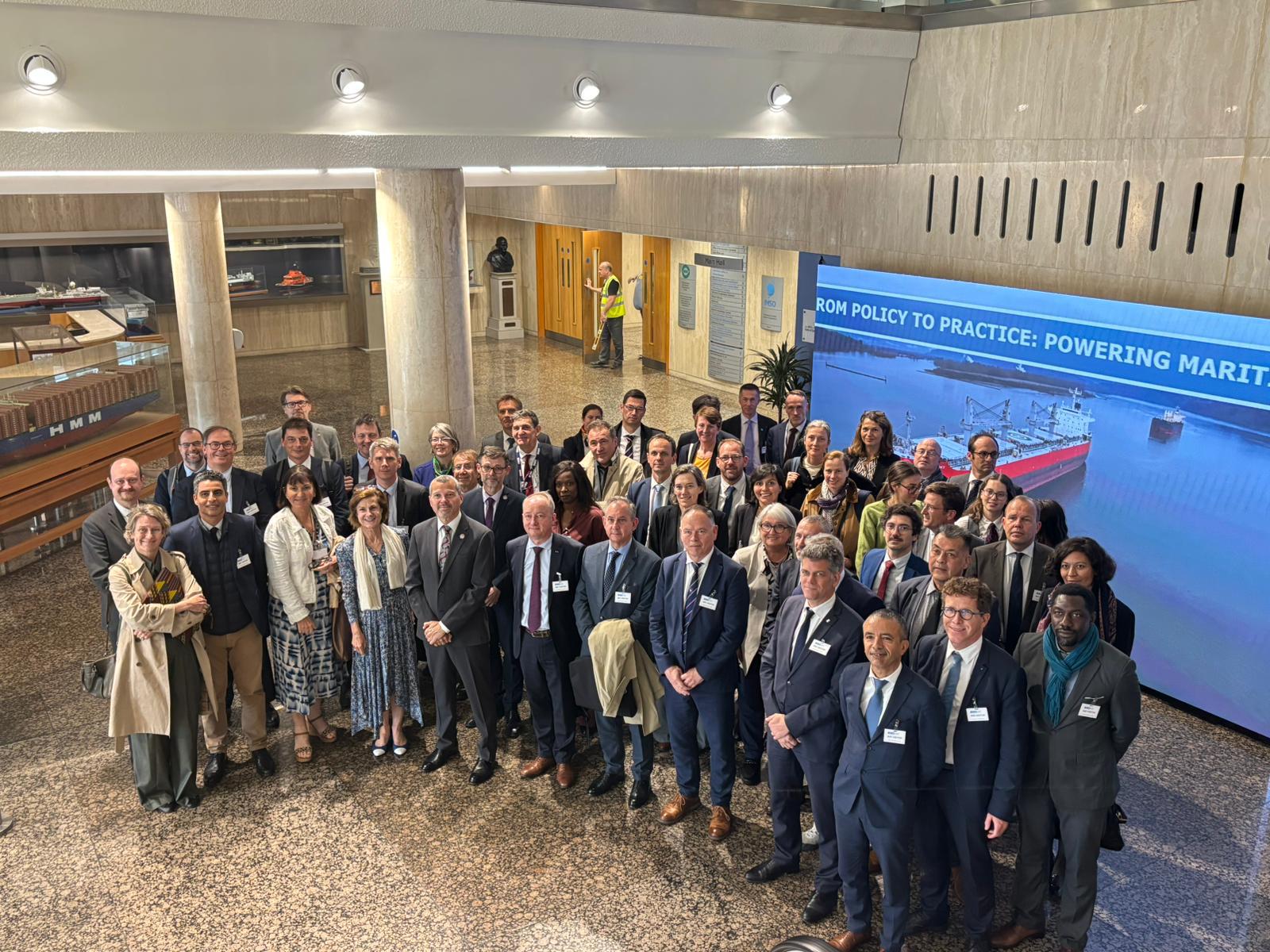
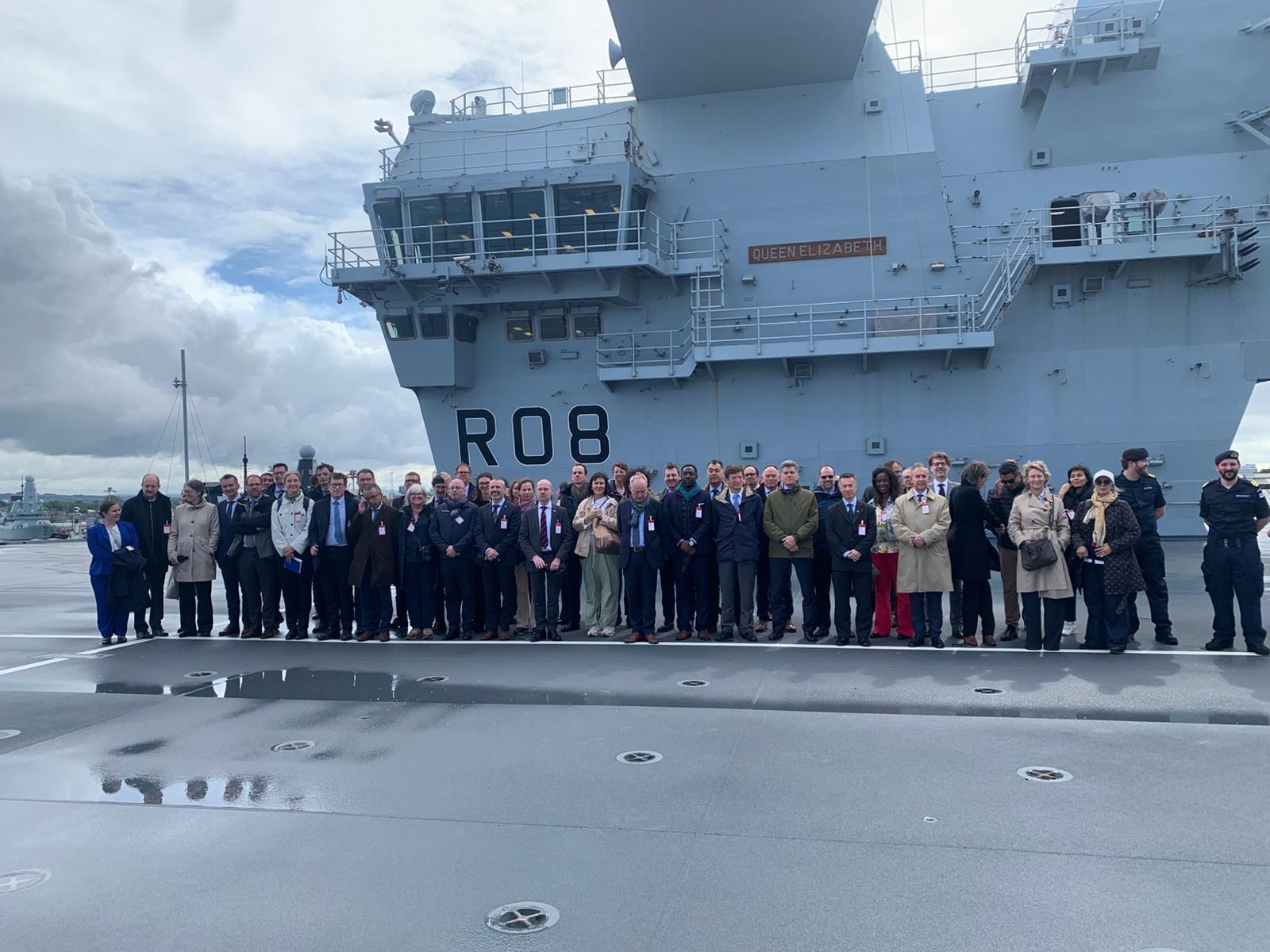
From 1er On 5 June, students on the «Maritime Issues and Strategies » (ESM) at the IHEDN’s national session flew to London and Portsmouth, visiting key institutions and operational sites, such as the Ministry of Defence (MoD), NATO Maritime Command (MARCOM), the International Maritime Organisation (IMO), and the naval base in Portsmouth to board the aircraft carrier HMS Queen Elizabeth.
The aim of this mission was to gain an understanding of the British perspective on the global balance of power, to analyse the depth of the bilateral Franco-British relationship in diplomatic and military terms, and to understand the priorities of the maritime industry regarding the development of the blue economy and the protection of critical subsea networks. This in-depth study demonstrates how modern maritime power now extends beyond the strictly military sphere to encompass the geo-economic, scientific and industrial dimensions of the bilateral relationship, charting a clear roadmap for the future of European security.
At a time when maritime areas are once again becoming the main arena for power struggles and the security of global supplies is being challenged on a daily basis, the British government has made freedom of navigation and the resilience of its maritime infrastructure a top priority. Faced with the return of high-intensity conflict, the country is modernising its strategic posture.
As the concept of Sea Power, a nation’s maritime power is not measured solely by the size of its fleet, but by its ability to integrate its military security with the protection of its trade routes and critical subsea infrastructure. This is one of the subjects covered in the ESM major, and an area in which the United Kingdom employs particularly agile approaches.
Geopolitical and Military Convergence in the Face of Global Challenges
This comprehensive approach to collective security is based primarily on the interoperability of the armed forces. An in-depth examination of the British Royal Navy’s military model, characterised by global projection capabilities and the maintenance of a sovereign nuclear deterrent, highlights a shared determination to respond to the clear escalation of threats. Discussions confirm that tactical integration and the sharing of experience between the French Navy and the Royal Navy now constitute an indispensable pillar for guaranteeing freedom of navigation.
This partnership is fully in line with the framework of the Atlantic Alliance. In the face of particularly rapid regional geopolitical developments, notably in the North Atlantic—the scene of a resurgence in high-tech underwater activity—and within the Indo-Pacific region, a shared understanding of geostrategic challenges strengthens the coherence of the Allies« collective posture. This complementarity is reflected in planning to counter access denial strategies, as well as in the development of coordinated responses to hybrid actions conducted in the »grey zone’.
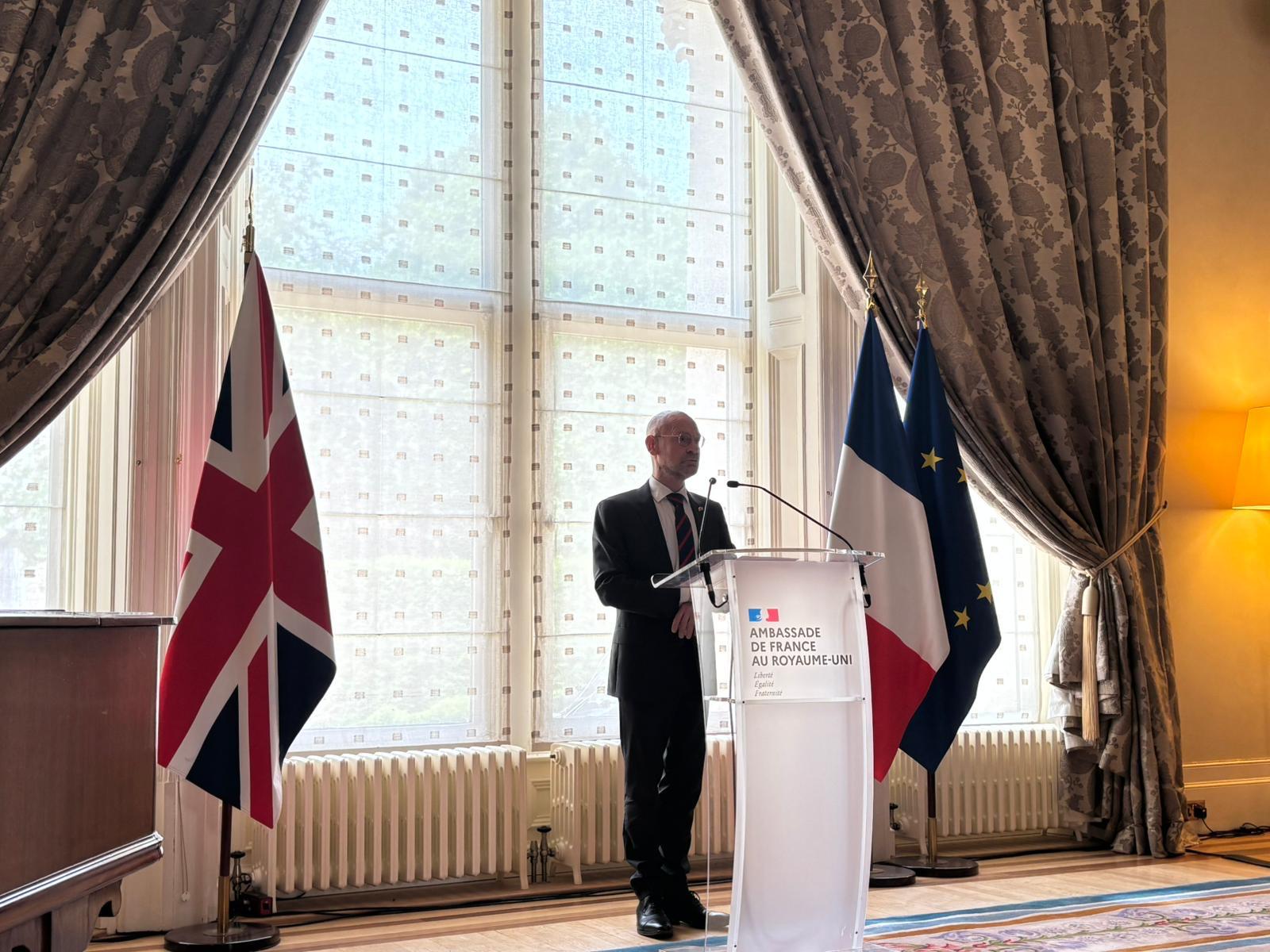
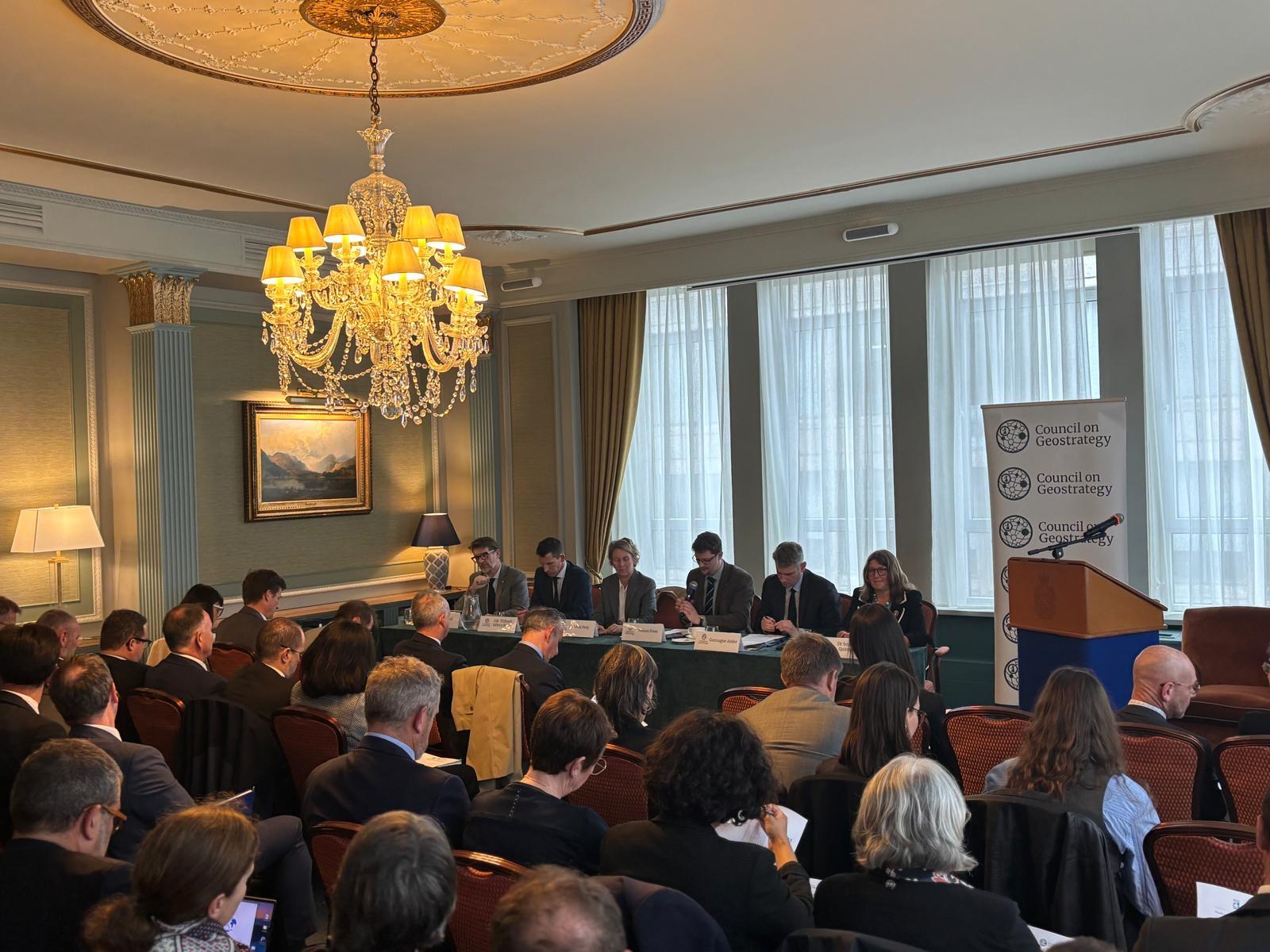
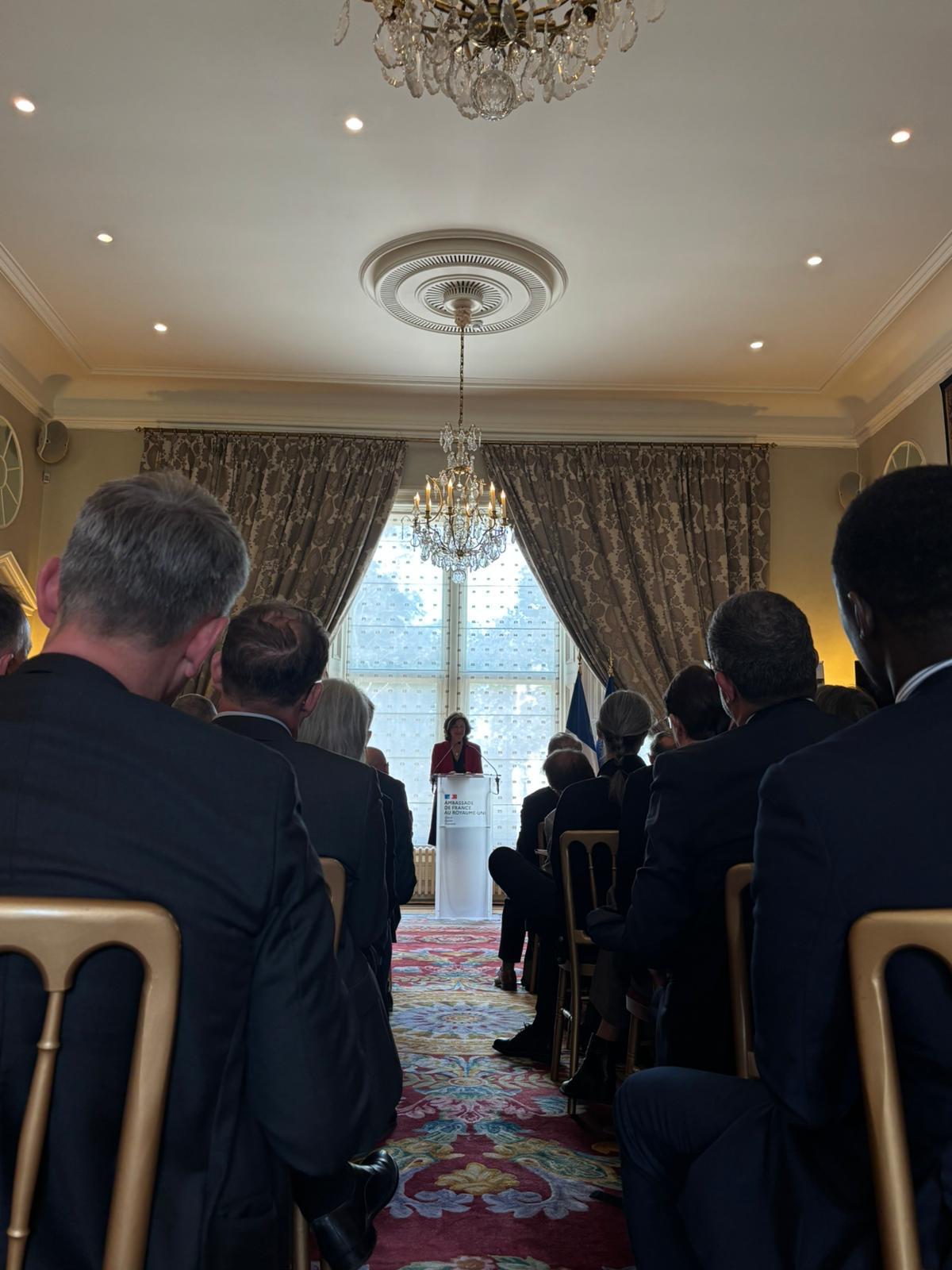
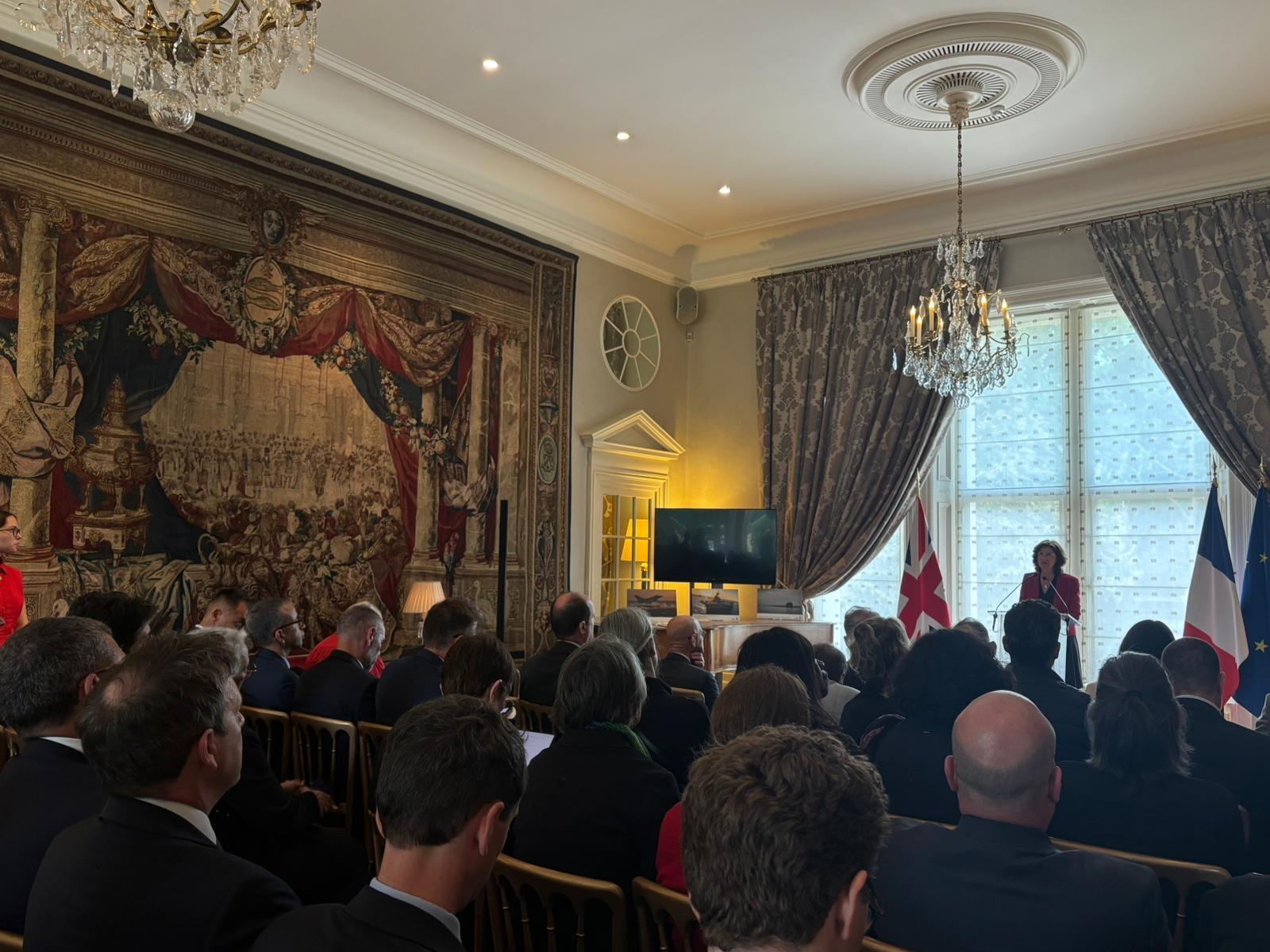
This convergence also relies on the crucial role played by French diplomacy. The working sessions held at the French Embassy in London with Ambassador Hélène Tréheux-Duchêne, the naval attaché and the defence attaché have demonstrated their role as key influencers. In a post-Brexit environment, these services ensure the day-to-day coordination of France’s political and military interests, guaranteeing the continuity of high-level strategic dialogue. This work is complemented by briefings at the Ministry of Defence and in think tanks, where discussions under the Chatham House Rule allow for the comparison of respective strategic visions in the face of contemporary security challenges.
THE BLUE ECONOMY AND INDUSTRIAL INNOVATION: NEW DRIVERS OF MARITIME SOVEREIGNTY
To underpin this operational approach, the UK is deploying three complementary strategies that combine regulation, technology and business resilience.
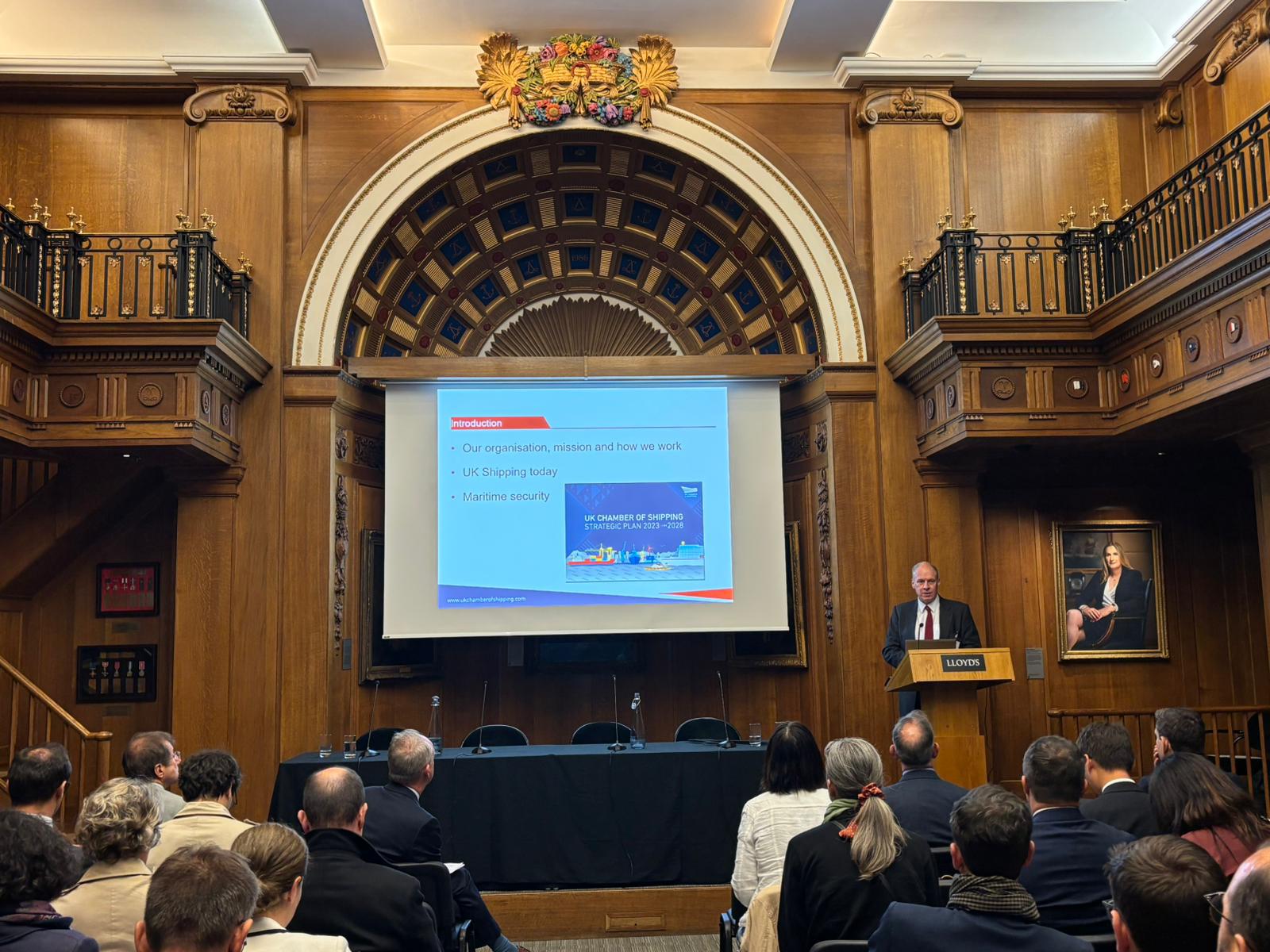
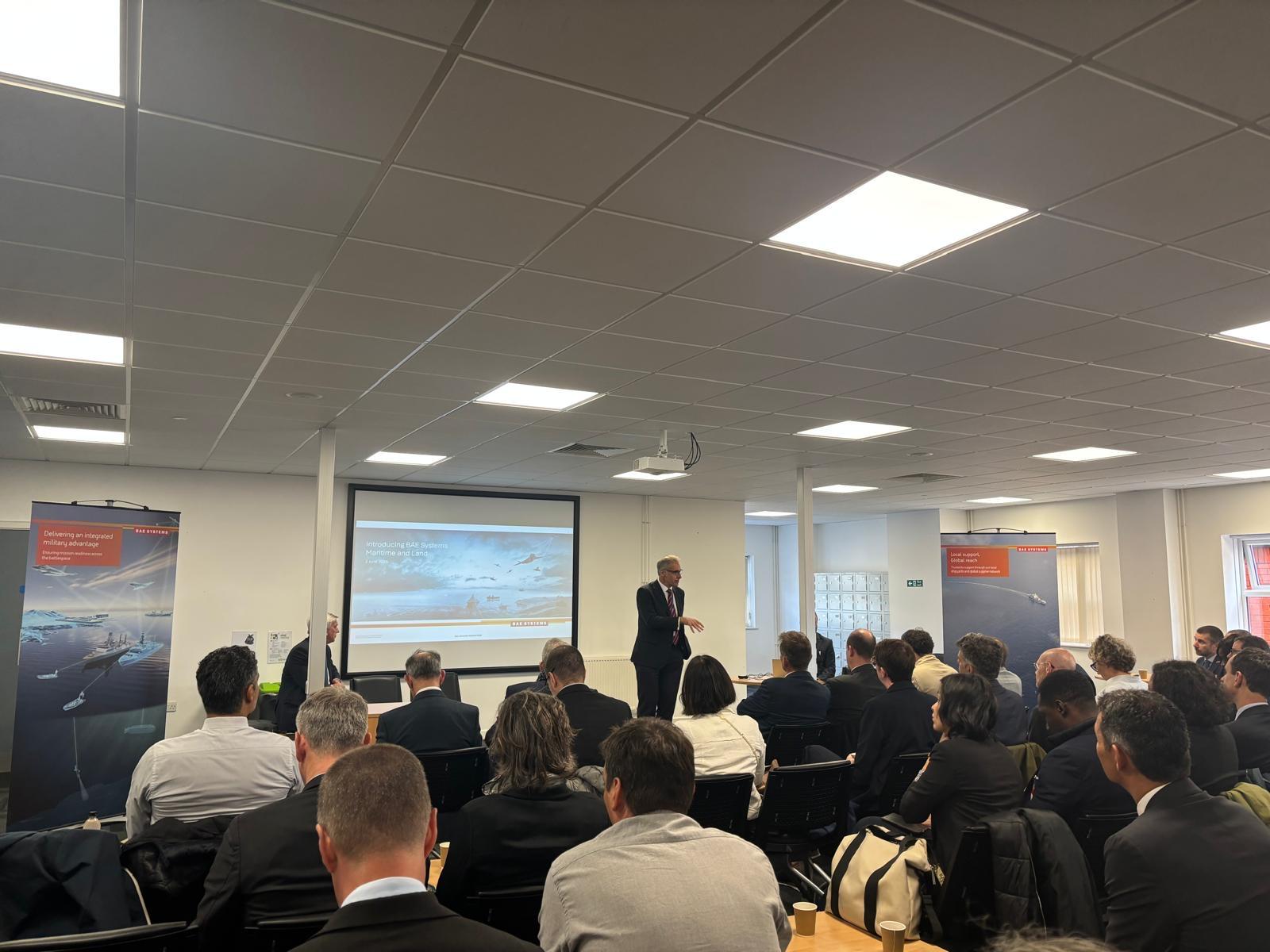
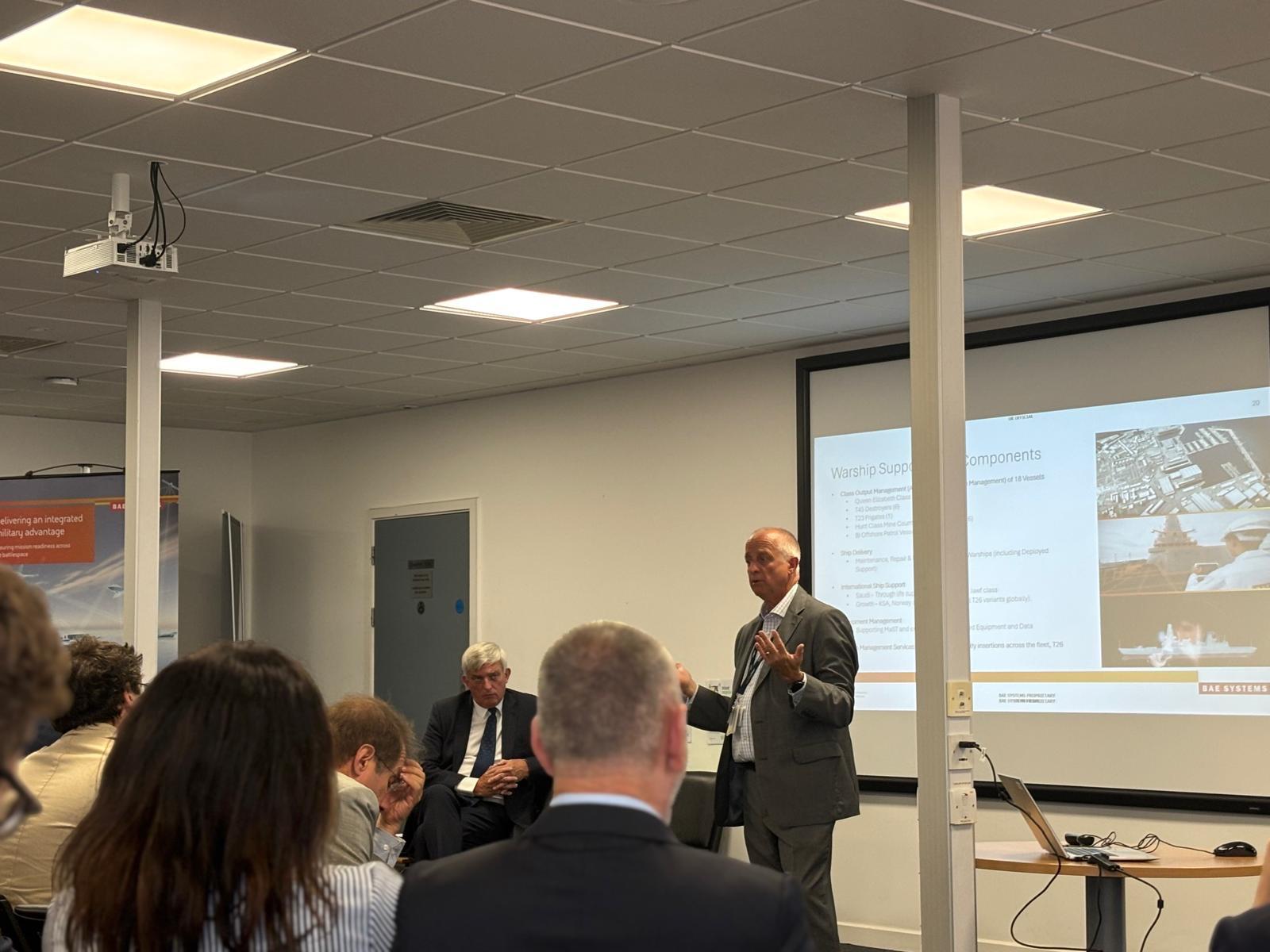
The first key area concerns logistical and industrial resilience. The auditors’ review of the strategic choices made by major British maritime and technology players, such as the giant BAE Systems, reveals a clear priority: securing strategic supplies. In the face of cyberattacks and the risk of covert sabotage, the focus is on the resilience of port infrastructure and the protection of transatlantic communication cable networks and interconnected energy flows.
The second driver is based on the development of the blue economy and the transition. Whether it be the sustainable and coordinated management of marine fisheries resources or the development of offshore wind farms, Franco-British cooperation is proving to be a driving force for prosperity. Discussions with the Regional Economic Service (SER) have confirmed that joint innovation, particularly in naval artificial intelligence and deep-sea robotics, enables us to maintain the autonomy of our defence industrial and technological base (BITD) in the face of increasingly aggressive global competition.
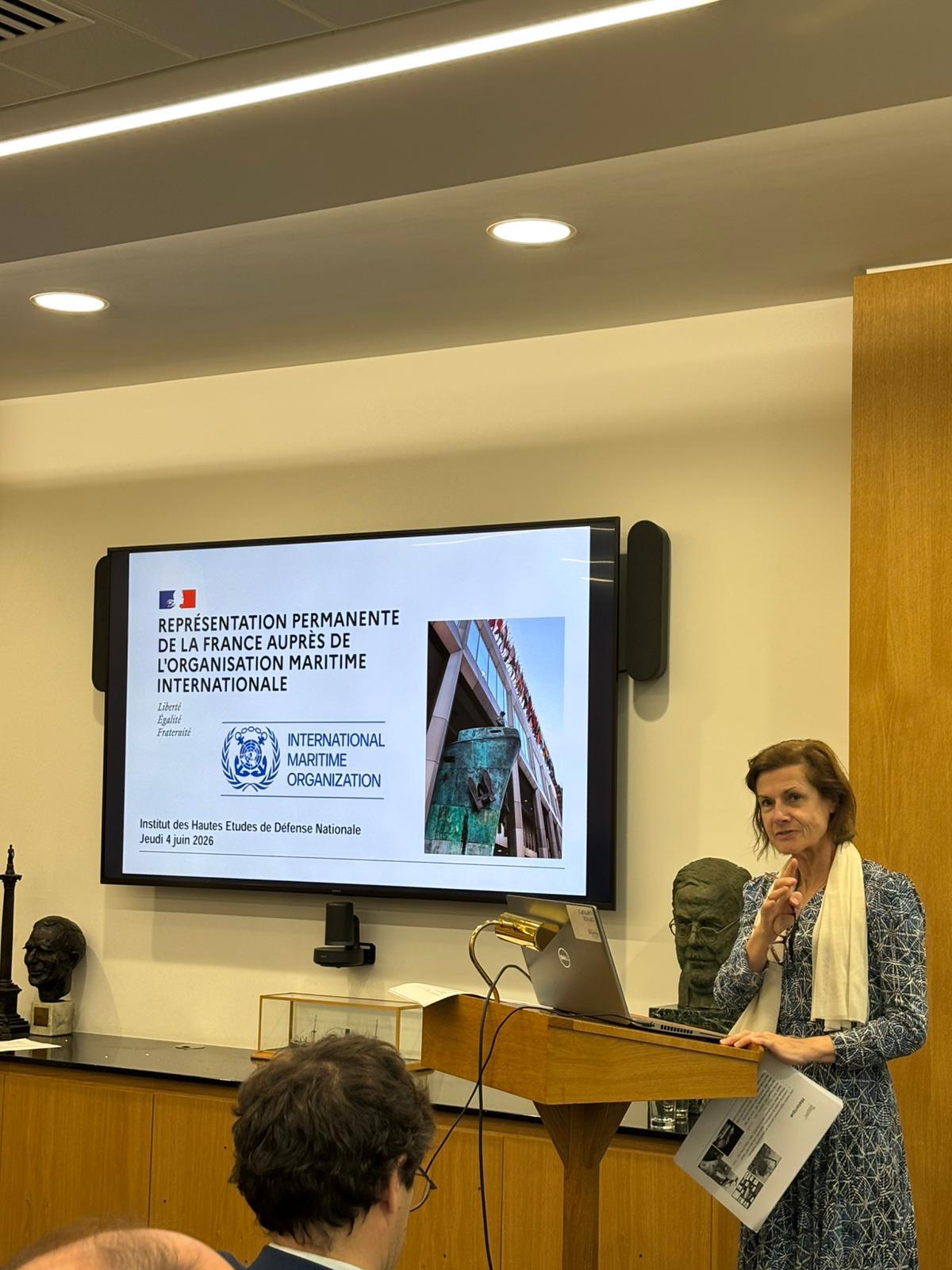
The third lever is regulatory and focuses on detailed risk management. The process involves the International Maritime Organisation and discussions with the Council on Geostrategy at the Risk Advisory Group (RAG) emphasised the importance of mastering the rule of law and anticipating asymmetric threats. Having effective response tools and robust regulations is now an essential prerequisite for deterring hostile coercive actions and ensuring Europe’s freedom of action at sea.
This fact-finding mission confirms that, in the face of future crises, military, economic and diplomatic cooperation with the United Kingdom is not an option, but a strategic necessity for France. Balancing operational imperatives with maritime economic realities, this bilateral partnership provides essential insights for preserving stability in oceanic spaces. The valuable insights gathered in the field directly inform the collective work of the trainees, reinforcing IHEDN’s role as a hub for European strategic thinking.
 French
  English