

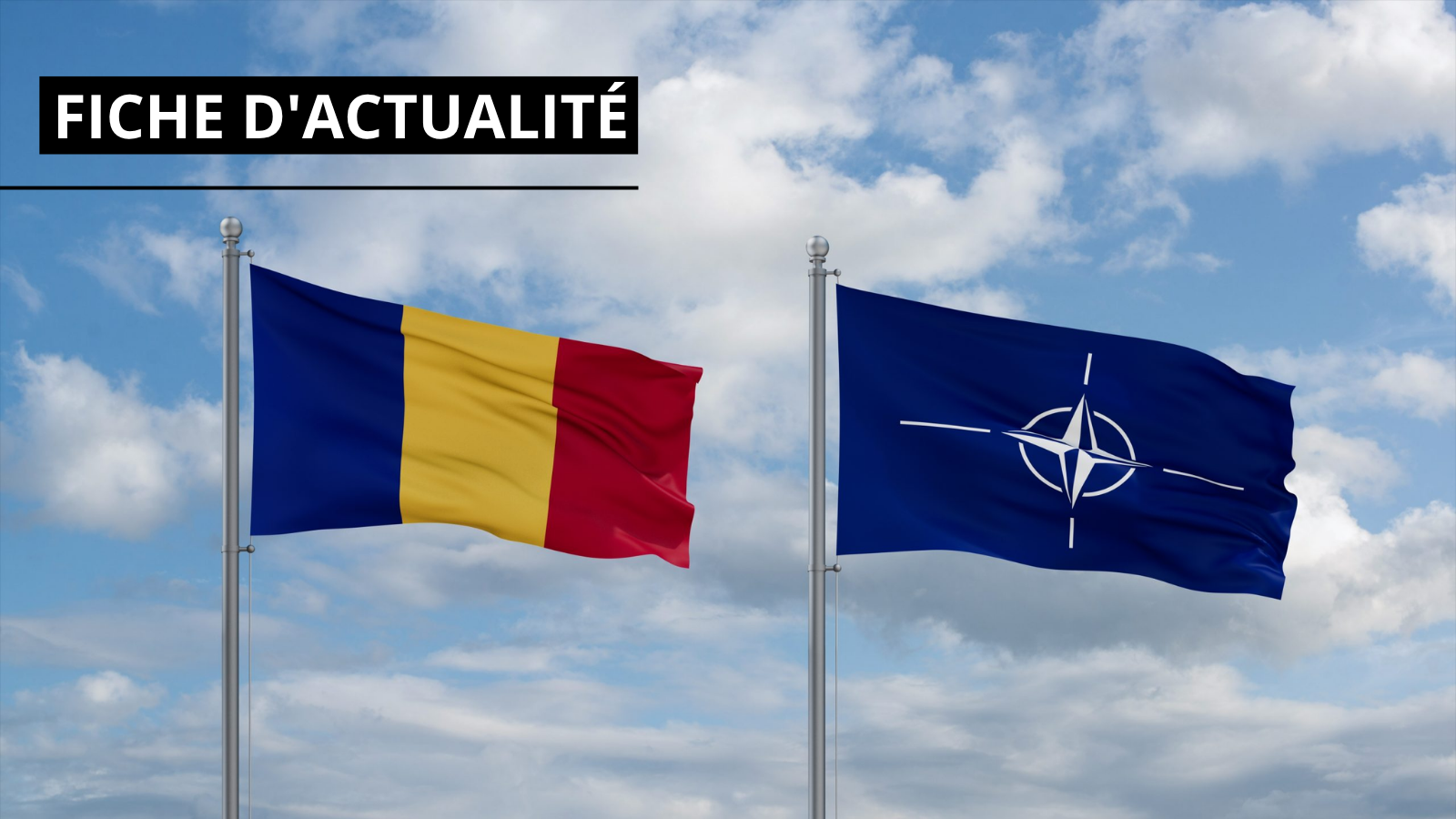
Romania: A key country on NATO’s south-eastern flank
This news brief examines Romania, noting its increasingly prominent geostrategic role since the end of the Cold War, as it has gradually integrated into NATO and the EU, a process that began in the early 2000s. It then highlights the country’s central importance since Russia’s invasion of Ukraine in 2022, owing to its location on the Black Sea and its relations with Turkey. Finally, it highlights internal political instability and how this has been exploited by Russia through hybrid attacks (including drone strikes, as well as campaigns of interference and disinformation).
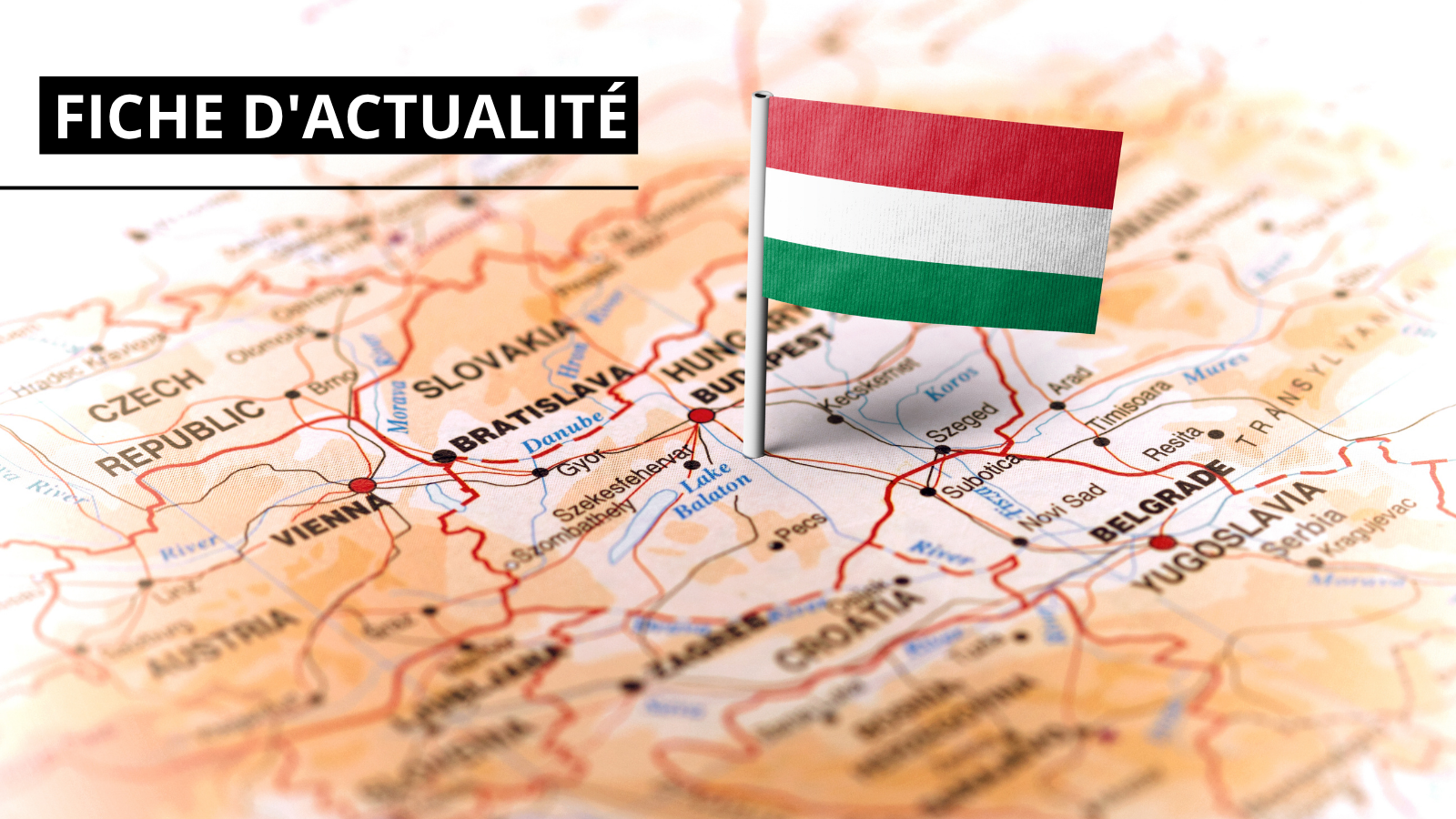
Hungary: Between strategic continuity and political change
As a pivotal state in Central Europe, Hungary combines close integration with Western structures with a strategic culture characterised by the pursuit of autonomy and the preservation of its sovereignty. Under Viktor Orbán, this stance has manifested itself in a policy of «multi-alignment», that is to say, varying degrees of alignment with the European Union, NATO, Russia, Turkey and China. Péter Magyar’s rise to power marks the beginning of a new political phase, but the geopolitical, energy-related and institutional constraints that shape Hungarian politics remain largely unchanged.
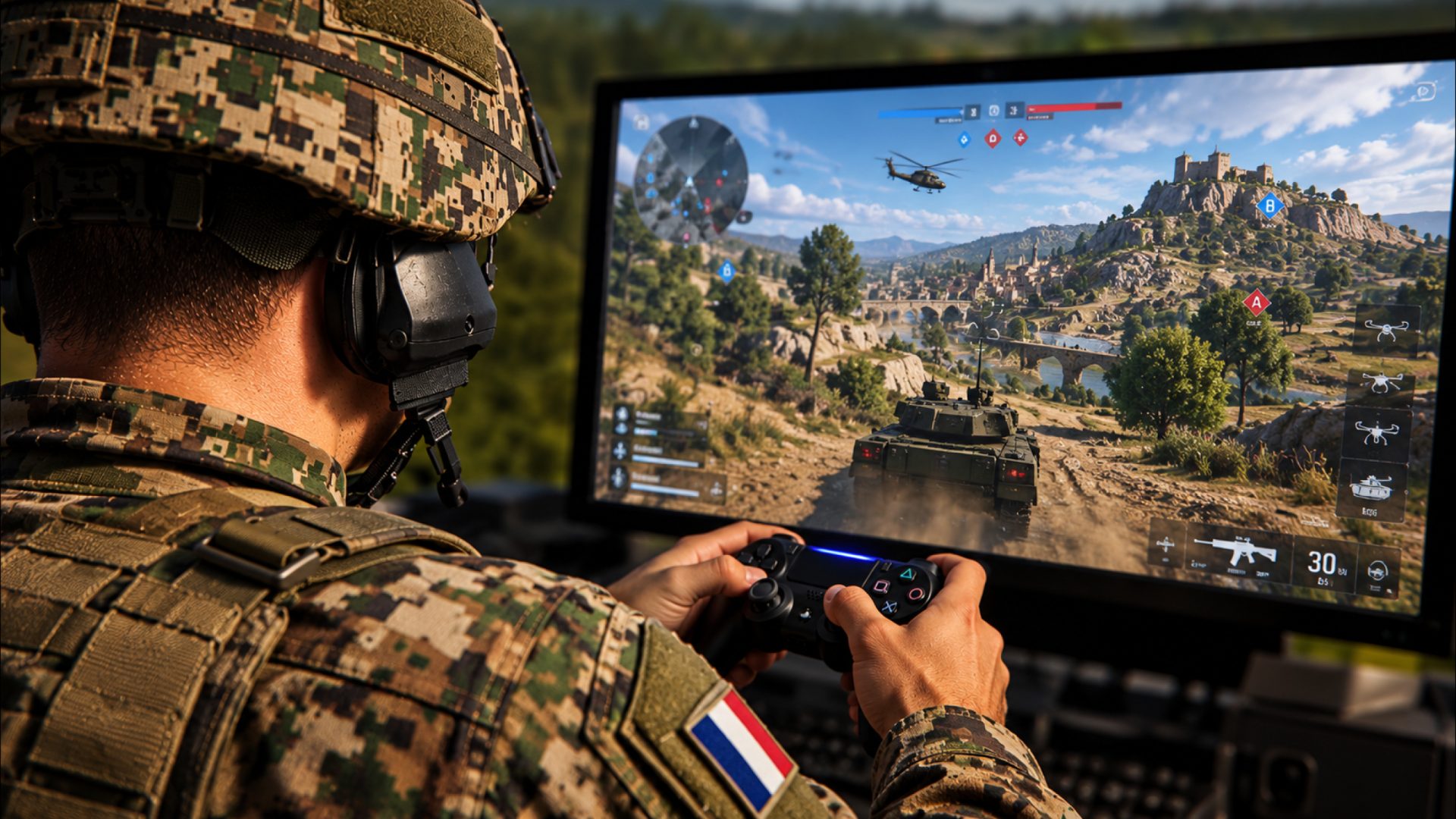
From the controller to the combat uniform: the great alliance between video games and defence
To mark Paris Game Week this week, we take a closer look at the increasingly close links between the armed forces and the world of gaming, with commentary from Stanislas Dewavrin, creator of globally released video games and a participant in the IHEDN’s national programme.
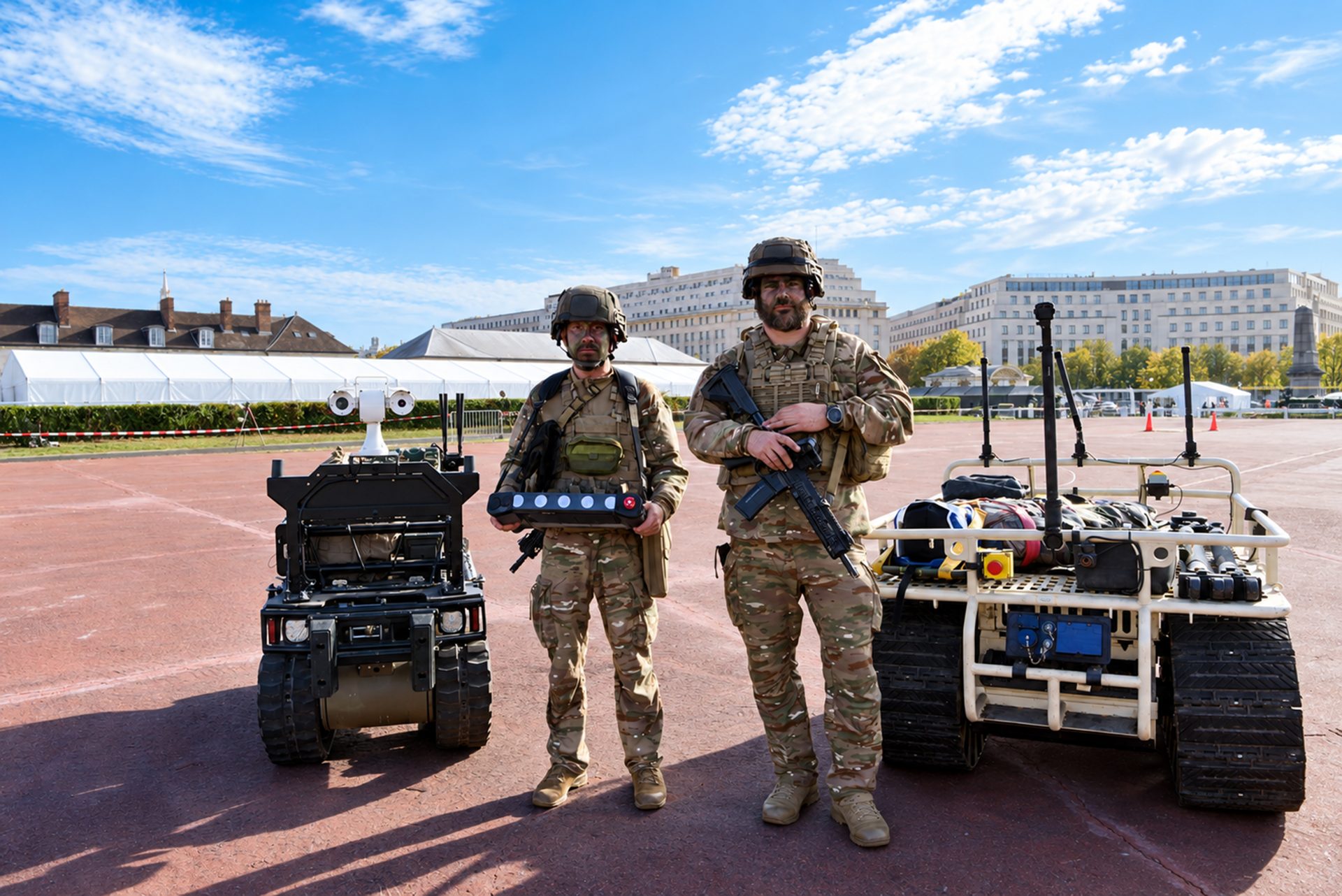
PAT 2026: the VULCAIN section and the transformation of the Army
On 15 and 16 October, the trainees on the 6th national course attended a presentation on the capabilities of the Army (PAT) at the École Militaire.
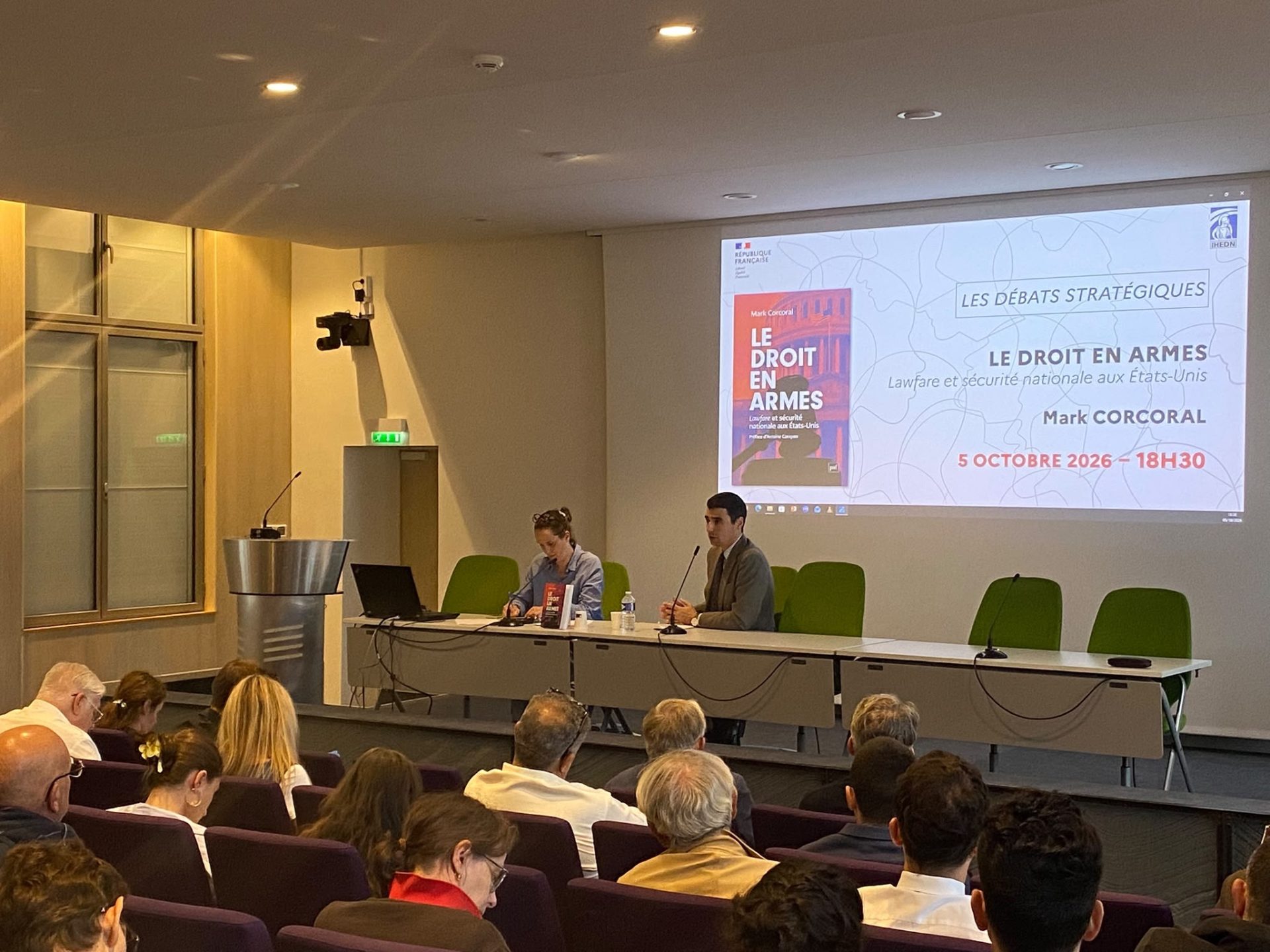
Law as an instrument of power: US ‘lawfare’ at the heart of the strategic debate
For the strategic debate in October, the IHEDN welcomed Mark Corcoral, who holds a PhD in political science and is an associate researcher at Sciences Po’s Centre for International Research, to discuss his book *Le droit en armes. Lawfare and national security in the United States*.

Combating disinformation: from the individual level to the national level
With major elections approaching and artificial intelligence booming, information attacks are on the rise in France. How can we tackle them, both as a society and as individual citizens? Representatives from VIGINUM and the Defence Innovation Agency, a psychologist, a consultant and a journalist: five experts with complementary backgrounds share their insights.
The Russian Hawks: Ideologues in the Service of the Empire
Discover an in-depth analysis of the Russian ‘hawks’ – the ideologues who are shaping and serving the empire today. An exclusive lecture to help you understand the workings of power
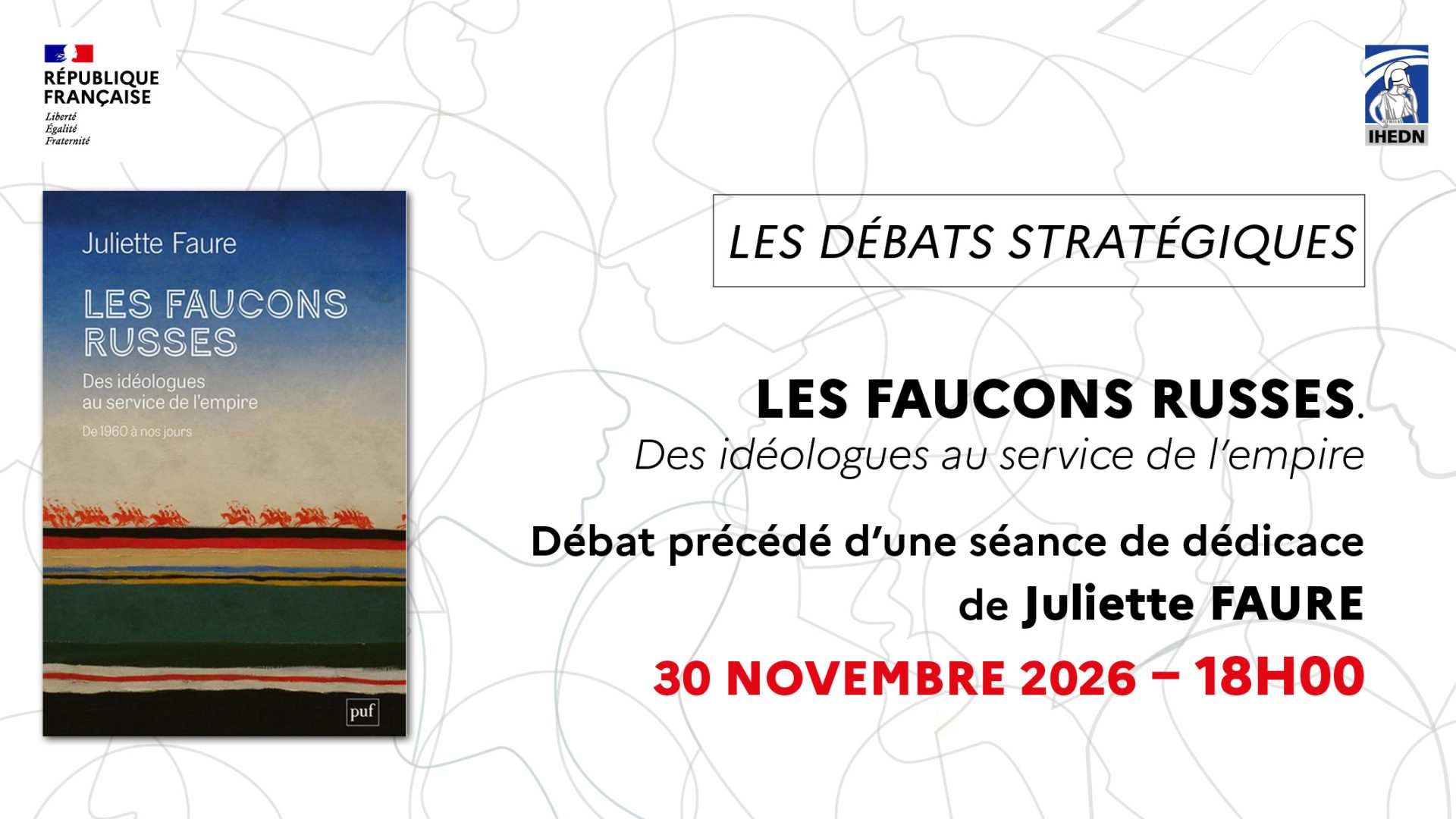
The Russian Hawks: Ideologues in the Service of the Empire
30 November 2026 | 6.00 pm at the École militaire

THE PEN AND THE SHIELD: THE ORIGINS OF STRATEGIC THINKING
In this pivotal and historic year marking the Institute’s 90th anniversary, we look back at the archives that have shaped strategic thinking and the spirit of defence. From 1936 to 1977, illustrious figures — from Charles de Gaulle to John F. Kennedy, including Raymond Aron and Léopold Sédar Senghor — addressed IHEDN students to analyse their era. This saga explores the balance of power in the past and thus sheds light on how to understand current geopolitical realignments and anticipate the crises of tomorrow.
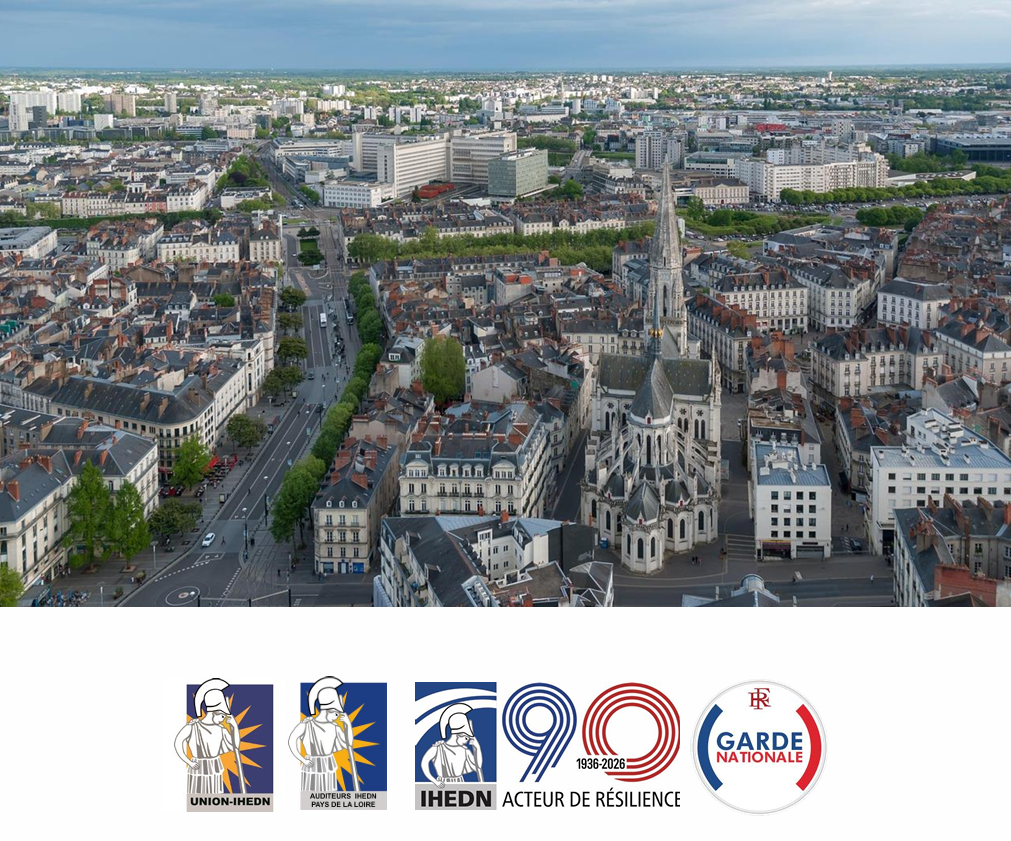
2026 NATIONAL FORUM ON EUROPEAN UNION STUDIES – IHEDN
14 November 2026 at the Pays de la Loire Regional Council building
 French
  English