
Episode 4: Before the «Global South»
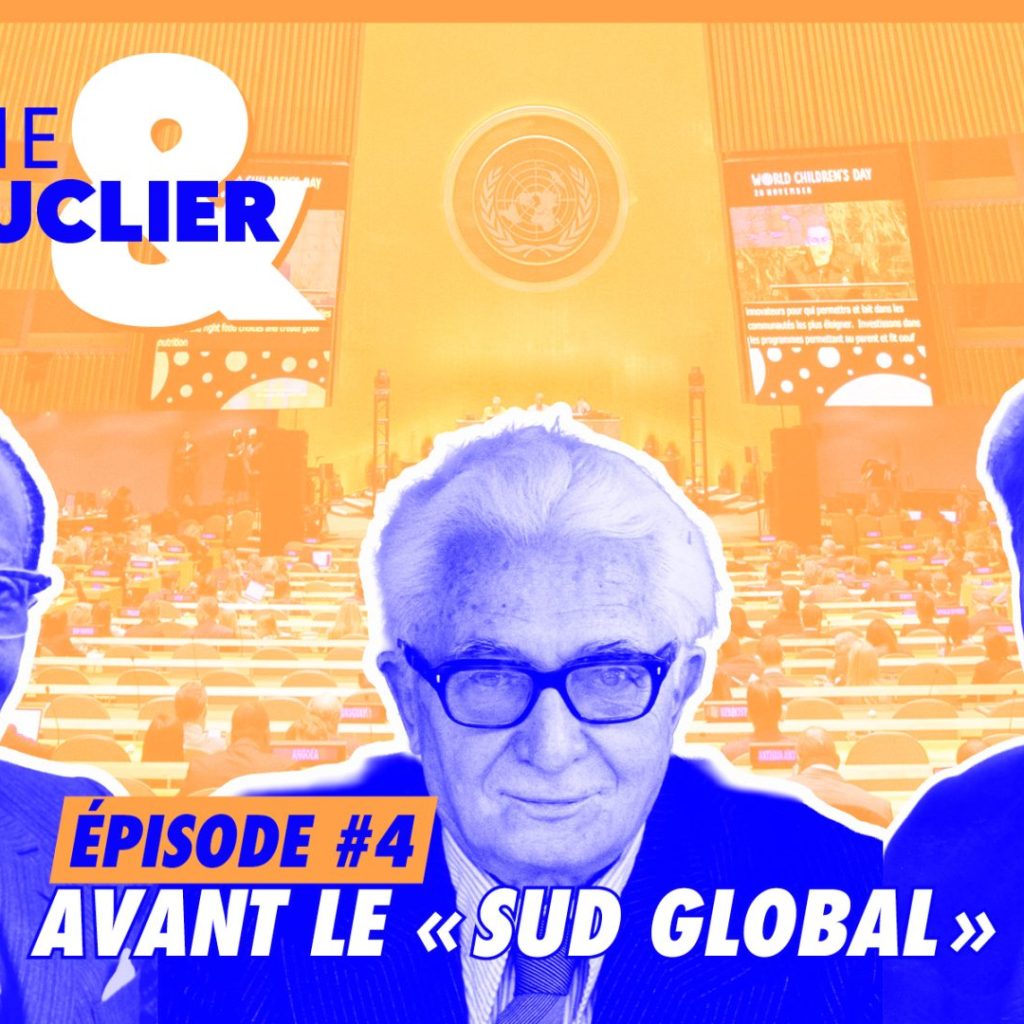
In this final instalment of our summer series, three leading intellectuals of the 20the These 20th-century figures analyse various aspects of what was then known as the «Third World»: the coiner of the term, the demographer Alfred Sauvy; the Senegalese statesman Léopold Sédar Senghor; and the historian Fernand Braudel.
Episode 3: French society
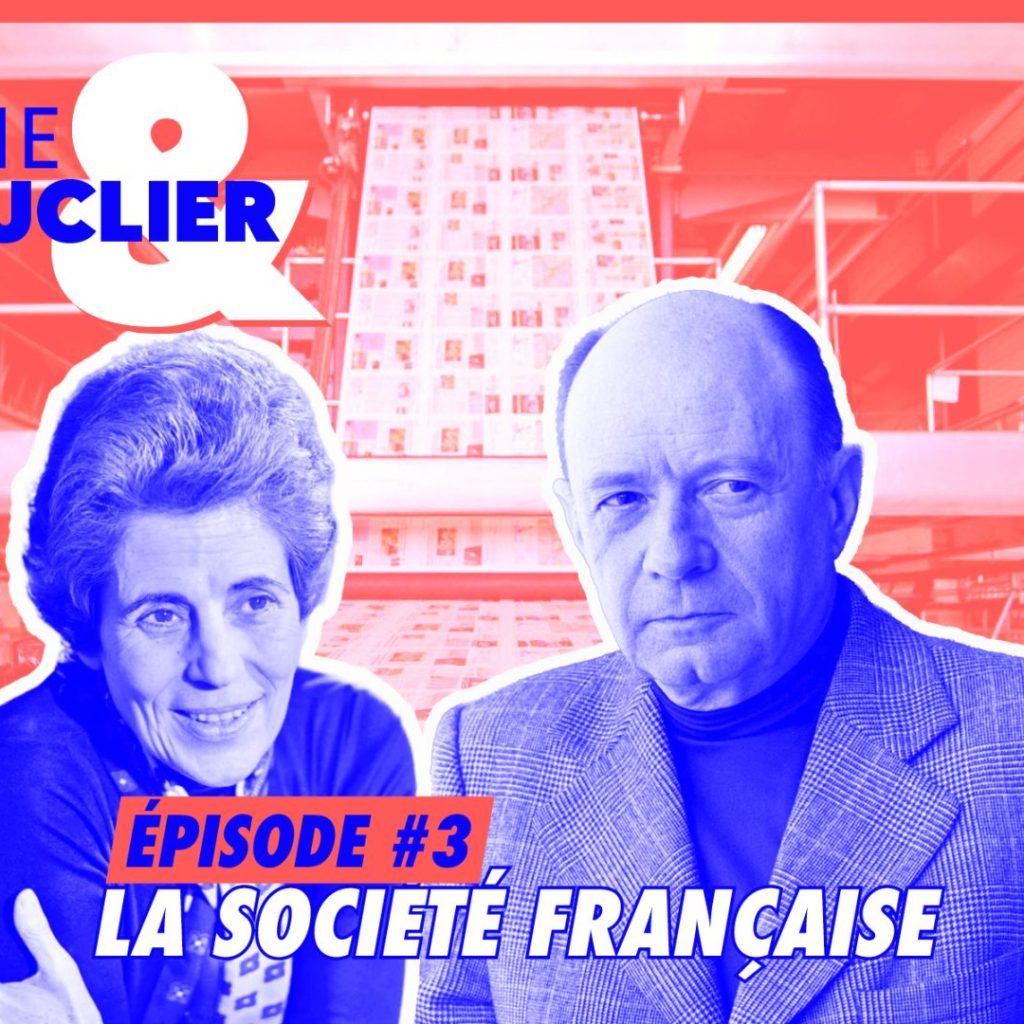
In this third instalment of our summer series, two original intellectuals of the 20the Two figures from the 20th century offer their analysis of various aspects of the country during their time, the late De Gaulle era: the journalist Françoise Giroud dissects the print media sector, whilst the philosopher Jacques Ellul paints a scathing portrait of French youth, from the ‘blousons noirs’ to the ‘minets’ and the hippies.
Episode 2: The School of Strategy

In this second episode of our summer series, two of the greatest French «strategists» of the 20the Two figures from the 20th century shed light on strategy and its relationship with politics: the philosopher Raymond Aron and General André Beaufre.
Episode 1: Historic Voices at the IHEDN

For this first episode of our summer series on the major speeches delivered to the Institute’s audience, we feature four prominent speakers: Admiral Castex and General Mast, our first two directors, and Presidents De Gaulle and Kennedy.
The «Lobster War» as seen by two Brazilian and French researchers
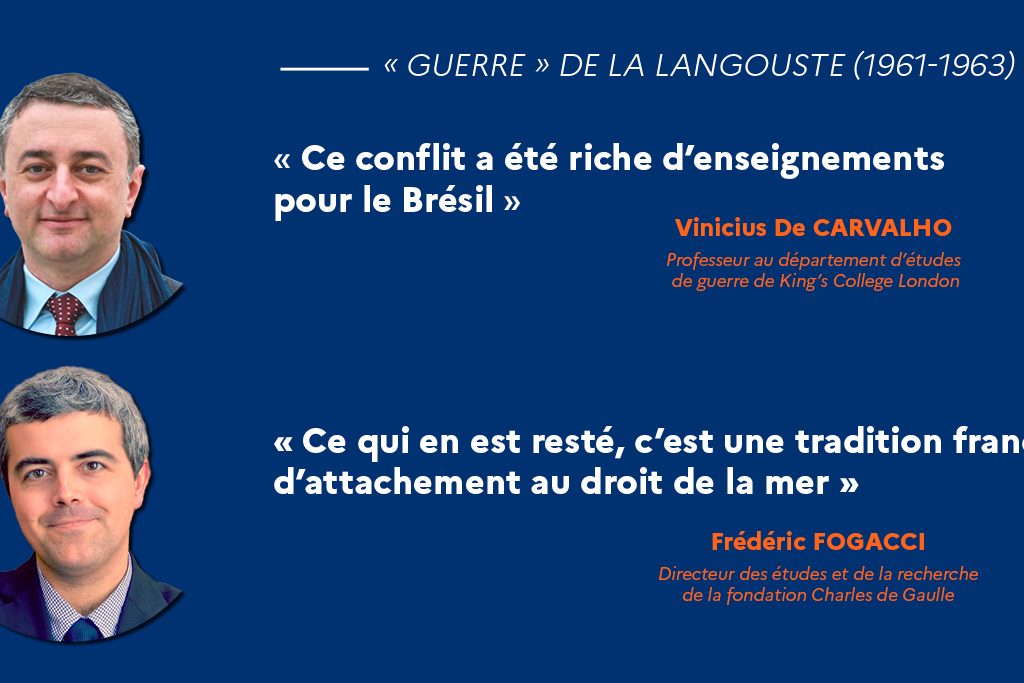
In this joint interview, Vinicius de Carvalho, associate professor in the Department of War Studies at King’s College London, and Frédéric Fogacci, director of studies and research at the Charles de Gaulle Foundation and lecturer at Sciences Po Paris, discuss the circumstances and lessons to be learnt from this diplomatic crisis between their two countries.
The «lobster war»: when sovereignty is at stake on the continental shelf
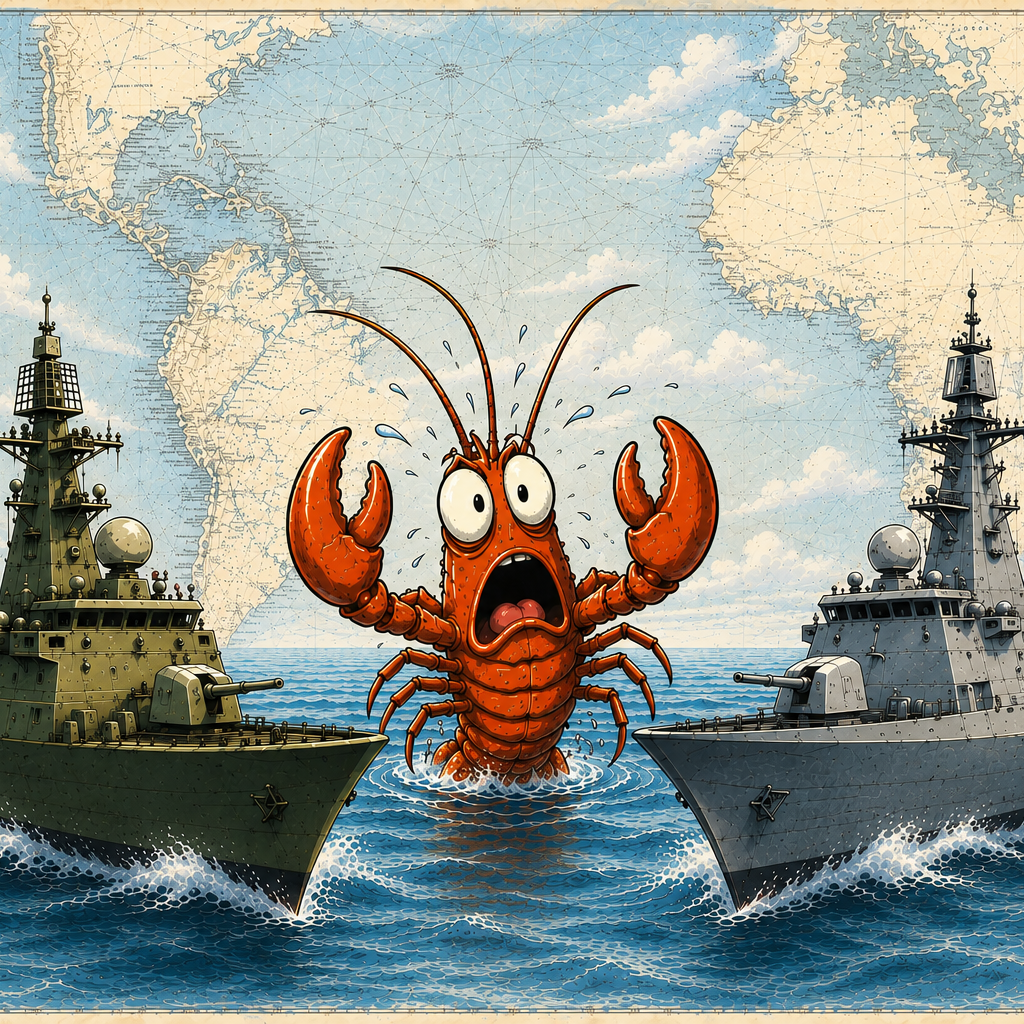
In 1961, a dispute between fishermen off the Brazilian coast escalated into a major diplomatic and military crisis between Paris and Brasília. At the heart of the debate: does the lobster walk or swim? Behind this scientific dispute lies a pioneering clash over the law of the sea, the projection of power and the definition of maritime sovereignty.
Mathilde Velliet: «The very forces that were driving the United States towards openness are now pushing it towards isolation»
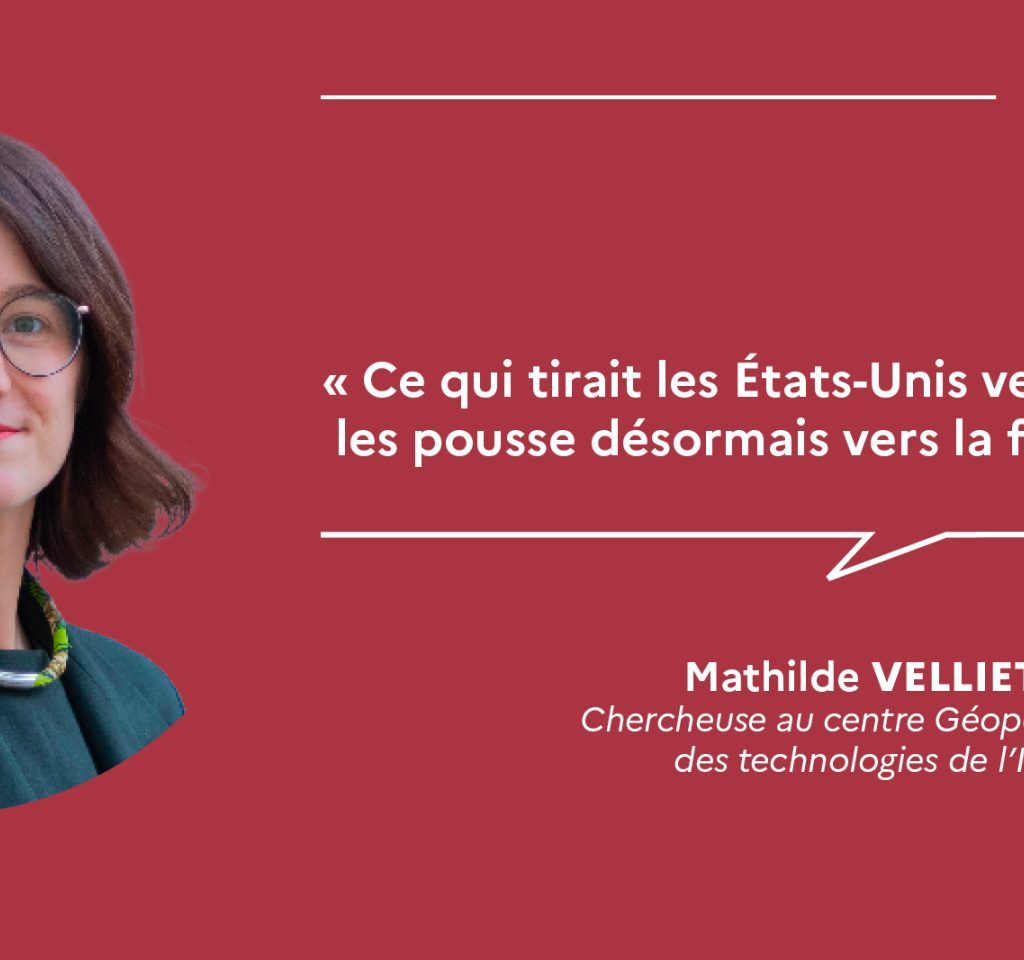
Mathilde Velliet, a researcher at IFRI and winner of the 2026 IHEDN thesis prize, shows how, in the field of strategic technologies, the United States has resolved its dilemma between prosperity and security in relation to China. Increasingly, from Obama to Trump, as one senior official put it to her, «we all started out as doves and ended up as hawks». Interview.
14 July 2026: a symbol of unity and a showcase for Europe’s strategic reawakening
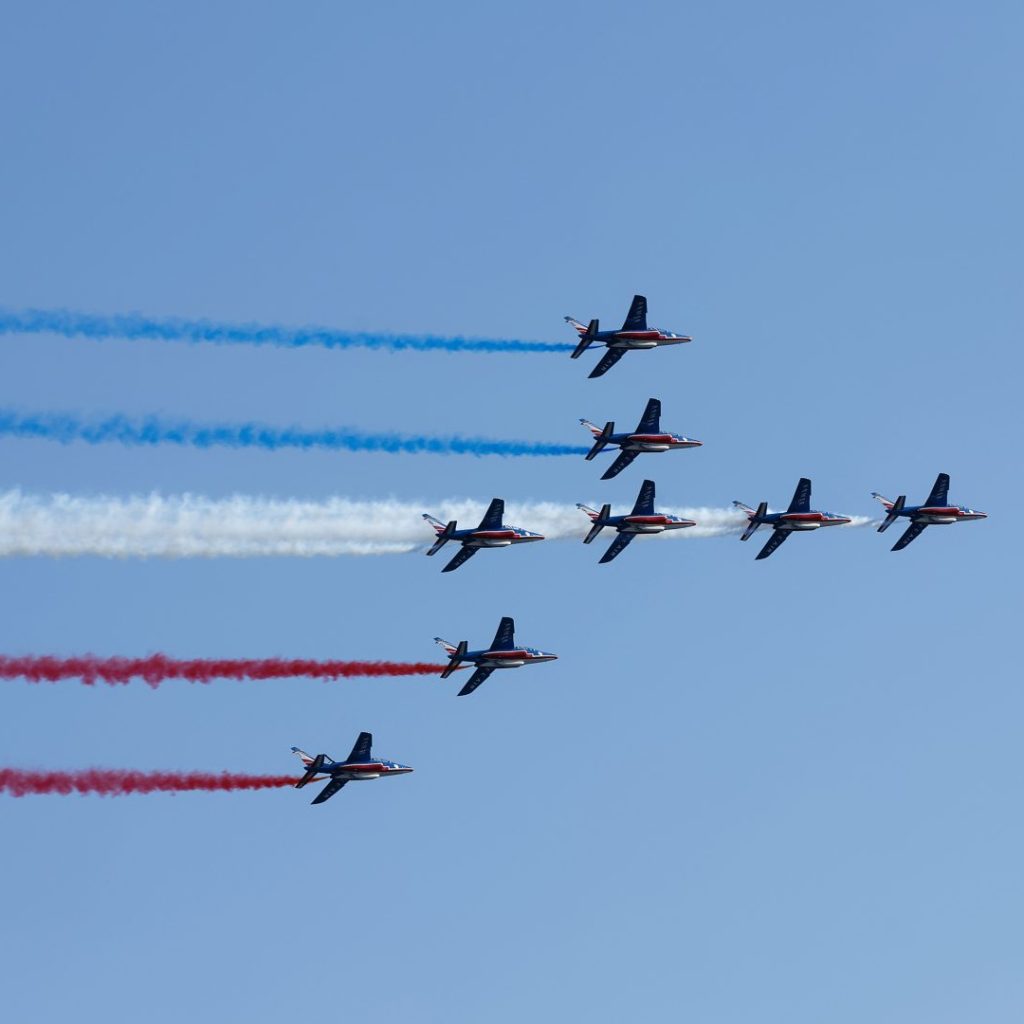
With this year’s National Day parade centred on the continent’s strategic autonomy, the event will highlight the national security continuum, as well as the flags of the European Union, NATO and the forty or so countries participating in the Coalition of the Willing for Ukraine. Here is a detailed overview.
The Treaty of Barcelona: the Franco-Spanish axis at the heart of European sovereignty

IHEDN Mondays are now available as audio files! Click below to listen: 00:00 / 00:00 Summer feature: «Athena at the Beach» is touring France! For the fourth year running, IHEDN is keeping you company throughout your holidays with the launch of its major […]
Committee reports from the national session: coercive diplomacy, industrial sovereignty, advanced nuclear deterrence…
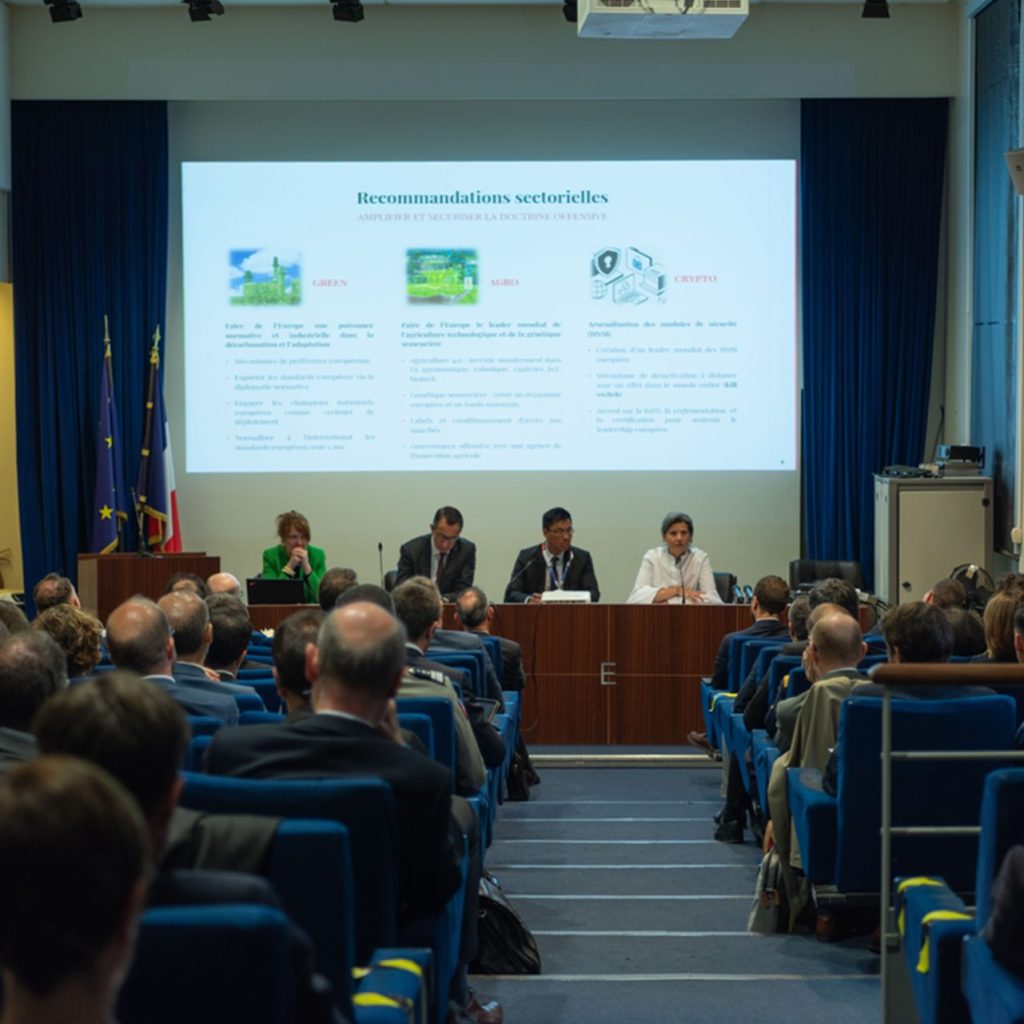
Whilst the 5e The IHEDN’s national session has just concluded; we are providing summaries of the work carried out by the auditors« committees for its five major programmes, which focused on this year’s theme of »strategic opportunities’. These reports are intended to inform the deliberations of public authorities.
 French
  English