
Eurosatory 2026: what is «multi-domain superiority»?

This week, the world’s leading defence and land and air-land security exhibition is taking place near Paris. For the 2026 edition, the event is structured around key themes, foremost among which is multi-domain superiority. What exactly does this term mean, given that it has become both an inescapable reality and a challenge in contemporary theatres of conflict?
The Swedish Total Defence model, an example of innovation and resilience for Europe

The Scandinavian kingdom, which is currently undergoing the biggest change in its national defence and security doctrine for two centuries, is taking the fusion of military and civilian approaches very far. We take a closer look at this innovative model following the study mission of the Digital Sovereignty and Cybersecurity major at the IHEDN national session.
Japan, a laboratory for contemporary economic security

On the occasion of the study mission to Japan of the Economic Defence and Security major of the national session of the IHEDN, focus on the far-reaching and innovative action of the archipelago state in this field. The first country in the world to create a dedicated ministry, Japan aims to achieve the subtle equation of protection without protectionism.
IHEDN, a driving force in the rapprochement of strategic cultures in Europe
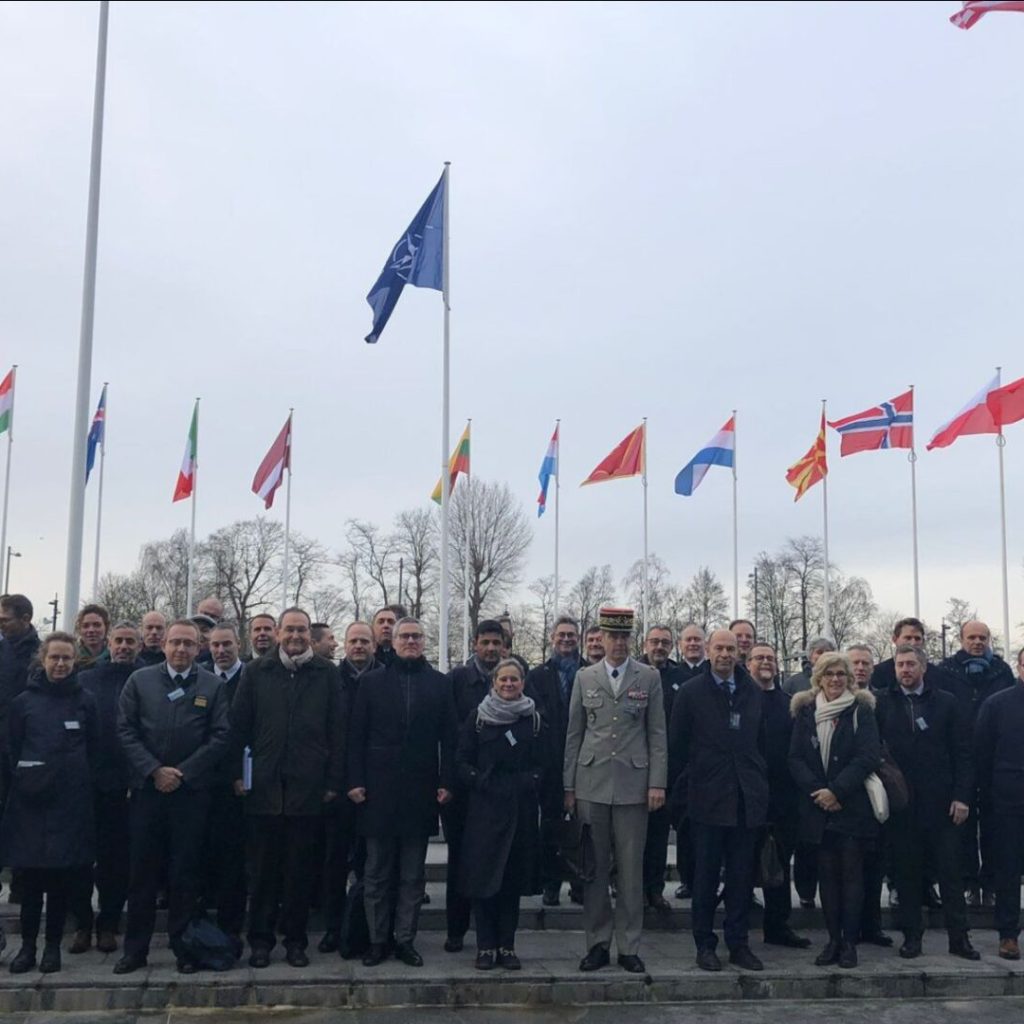
To mark Europe month and 90e anniversary of the IHEDN, focus on its historical and current role in structuring a European strategic culture. This dimension, which has been present in our training courses from the outset, has continued to grow: today, the Institute designs and organises numerous training courses for European state and institutional partners, contributing to collective reflection on security and defence issues.
Elsa Vidal: «In the Russian elite, the party of silence is in the majority».»
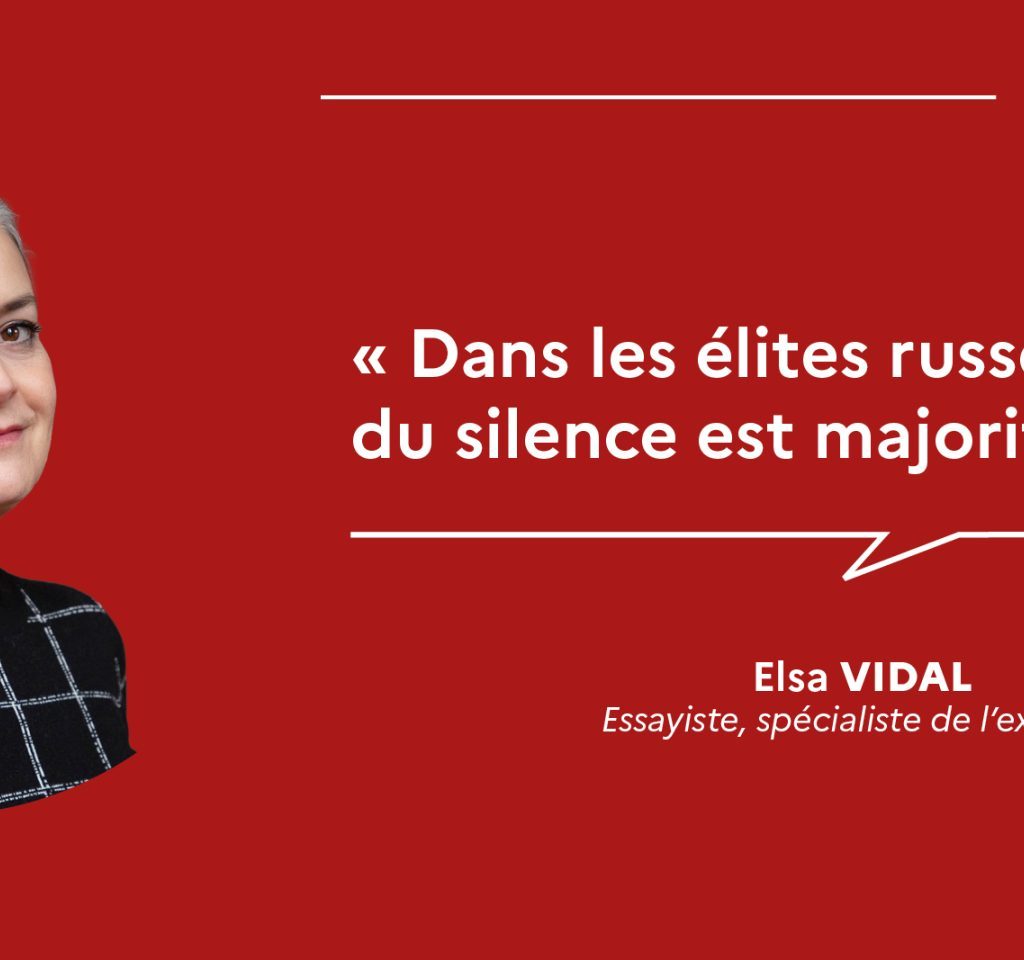
A quarter of a century after Vladimir Putin came to power, what do Russians think of his governance, the state of their country and the war in Ukraine? Elsa Vidal, a specialist in the former USSR, answers this question in a rigorous and well-documented essay that looks behind the Kremlin's official communication and the clichés common in the West. Interview.
Armaments training, a strategic contribution from IHEDN
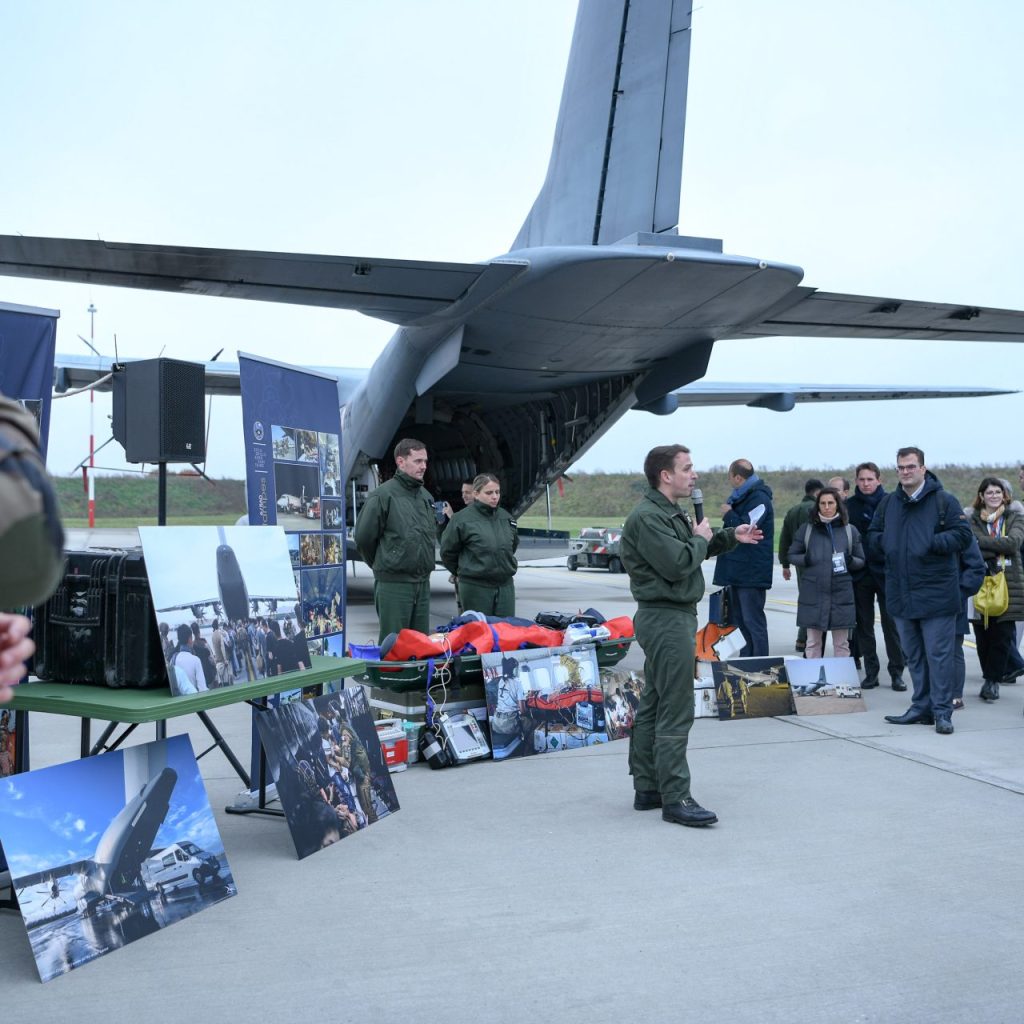
To mark the Institute's 90th anniversary and the 19th Entretiens Armement & Souveraineté, we focus on one of the major themes of the national session: Armaments and the Defence Economy. Bringing together engineers, officers, business executives and legal experts, it covers all aspects of this field, providing a crucial forum for sharing views in the context of high-intensity warfare.
Europe, NATO, ministries: how the armed forces health service anticipates a possible conflict
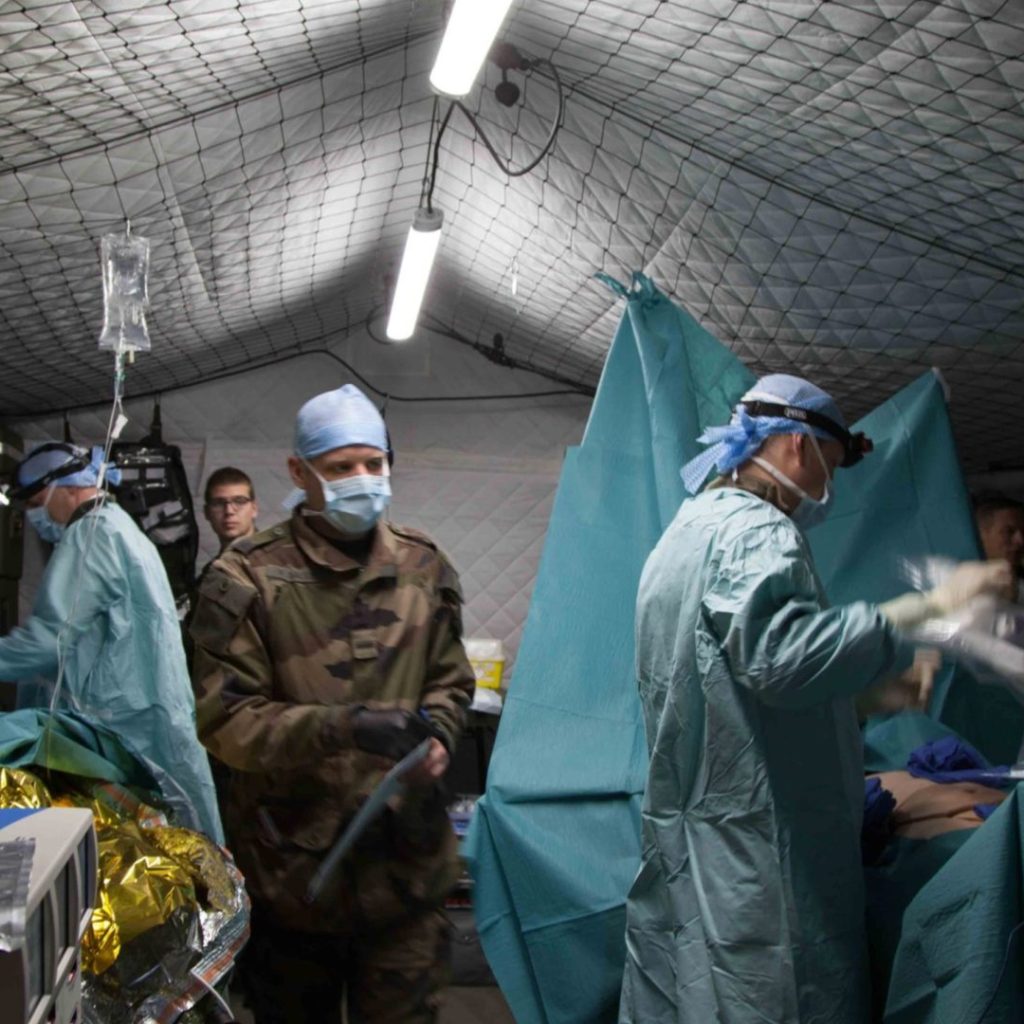
How can we prepare for what the military call a «major engagement scenario»? The field of health is a good example of this: in recent years, the French armed forces' dedicated service has been stepping up cooperation at national, European and international interdepartmental levels. Focus on a resilience project.
Martial Foucault: «Globalisation is increasingly perceived as an area of rivalry».»
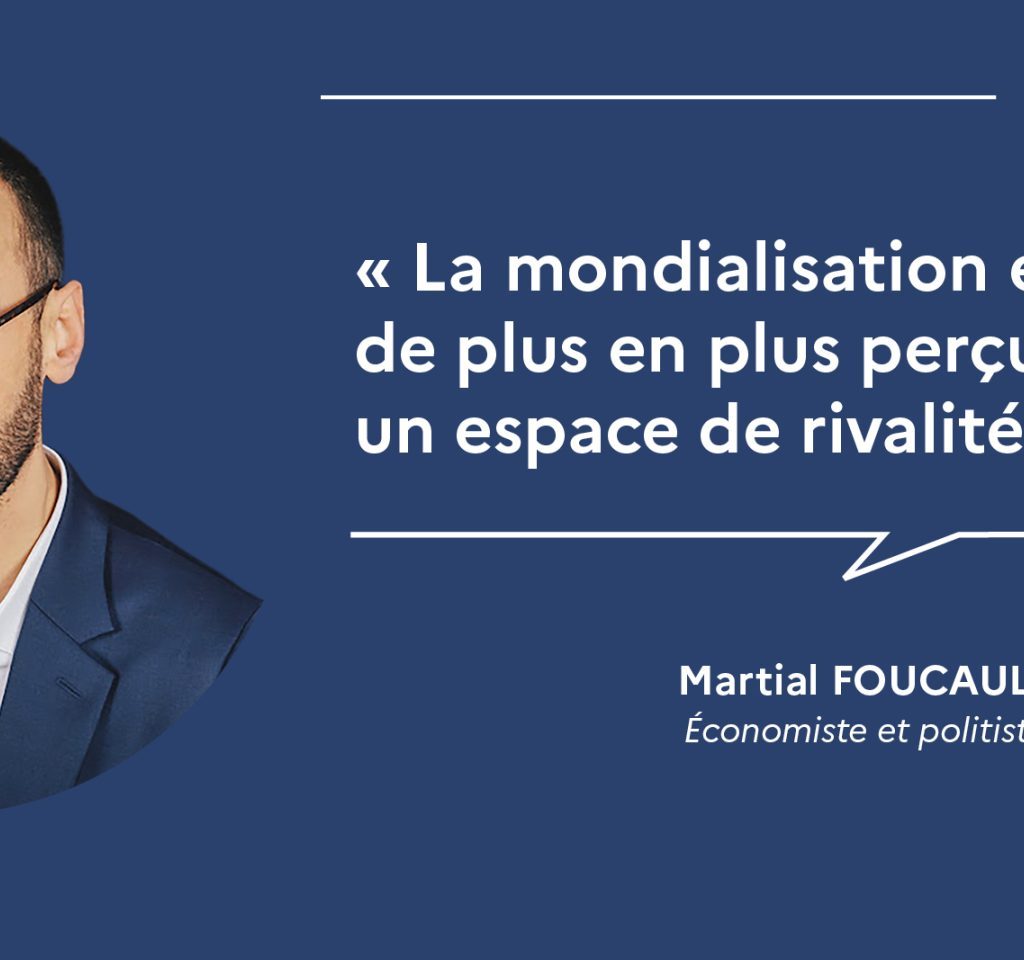
At a time when «states are pursuing strategic objectives using economic instruments», Martial Foucault, a political economy researcher and Director of the Strategic Research Institute at the École Militaire, puts the spotlight back on the notion of ’militarised interdependence« or the »weaponisation of globalisation«. Interview.
Raoul Castex: an admiral strategist at the heart of the spirit of defence
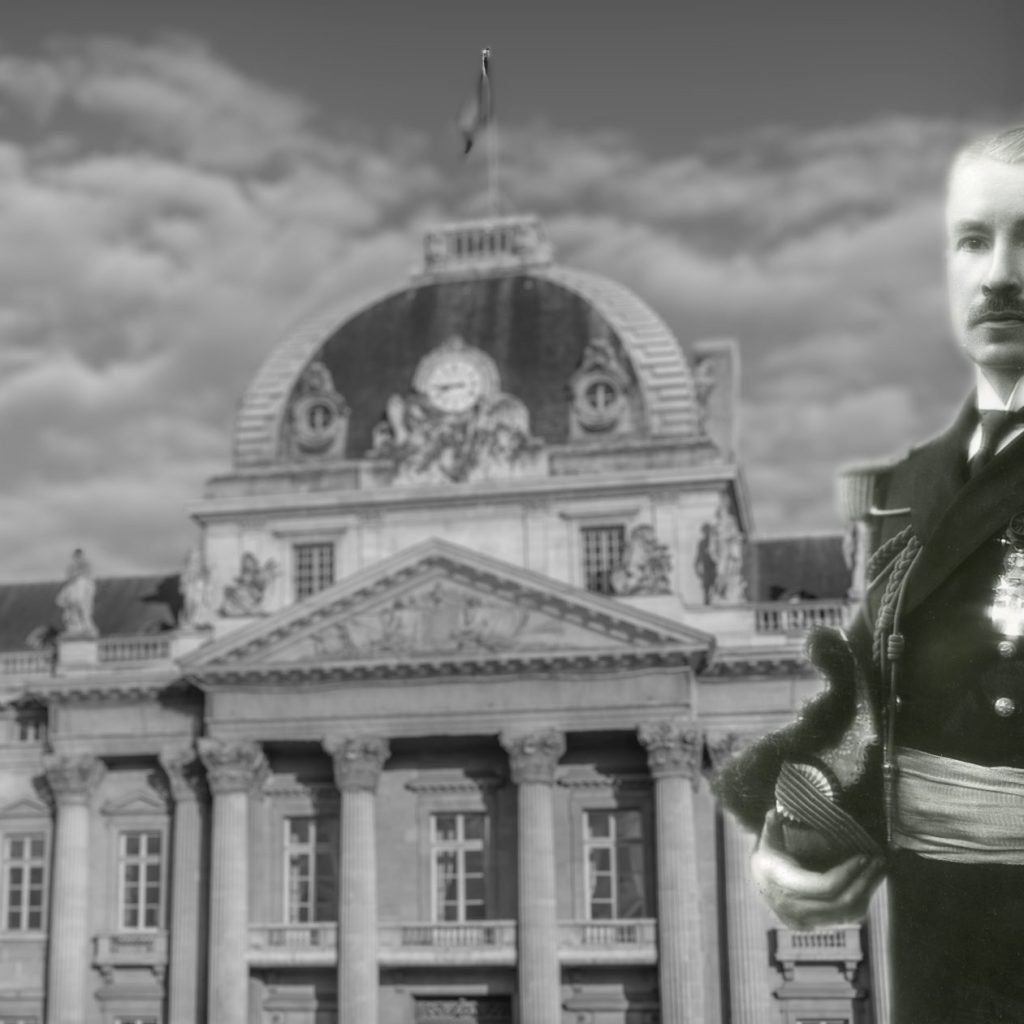
To mark the 90e As the IHEDN celebrates its 400th anniversary and the French Navy celebrates its 400th anniversary, we look back at the life of Admiral Raoul Castex (1878-1968), founder of the Institute. An exceptional sailor and major military theorist, he was able to impose a global vision of strategy that still informs our thinking today.
General Schill: «The identity of each regiment is nurtured by its local roots».»
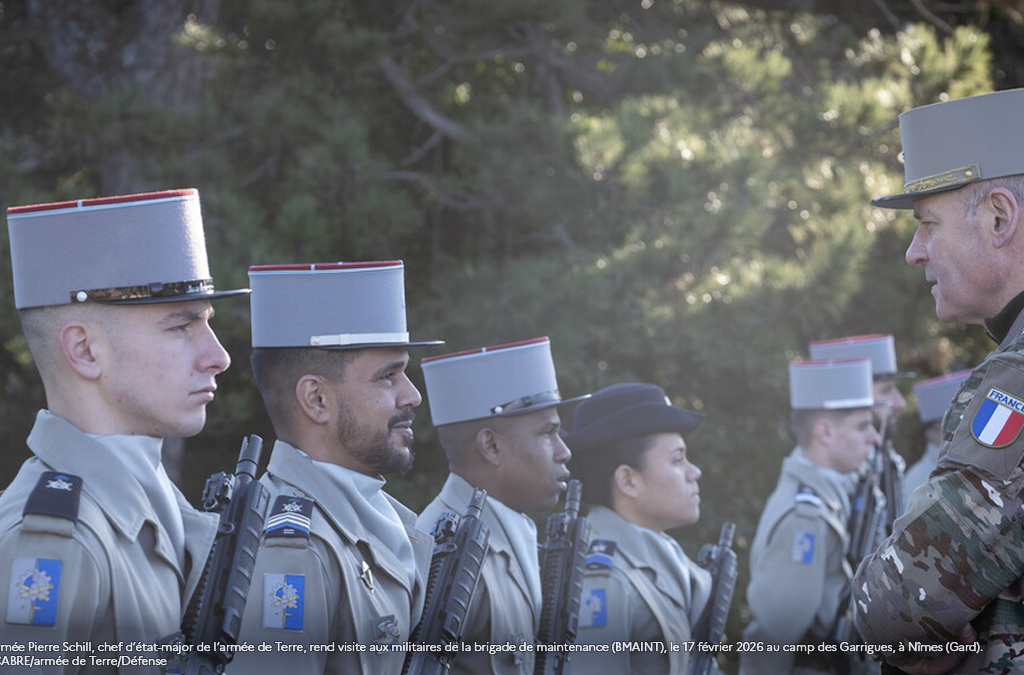
In the aftermath of the municipal elections, Army General Pierre Schill, Chief of Staff of the French Army, describes the close links that this institution maintains with the many territories in which it is based and the close cooperation between the various units and the regional sessions of the IHEDN. Interview.
 French
  English