
The Japanese concept of economic security
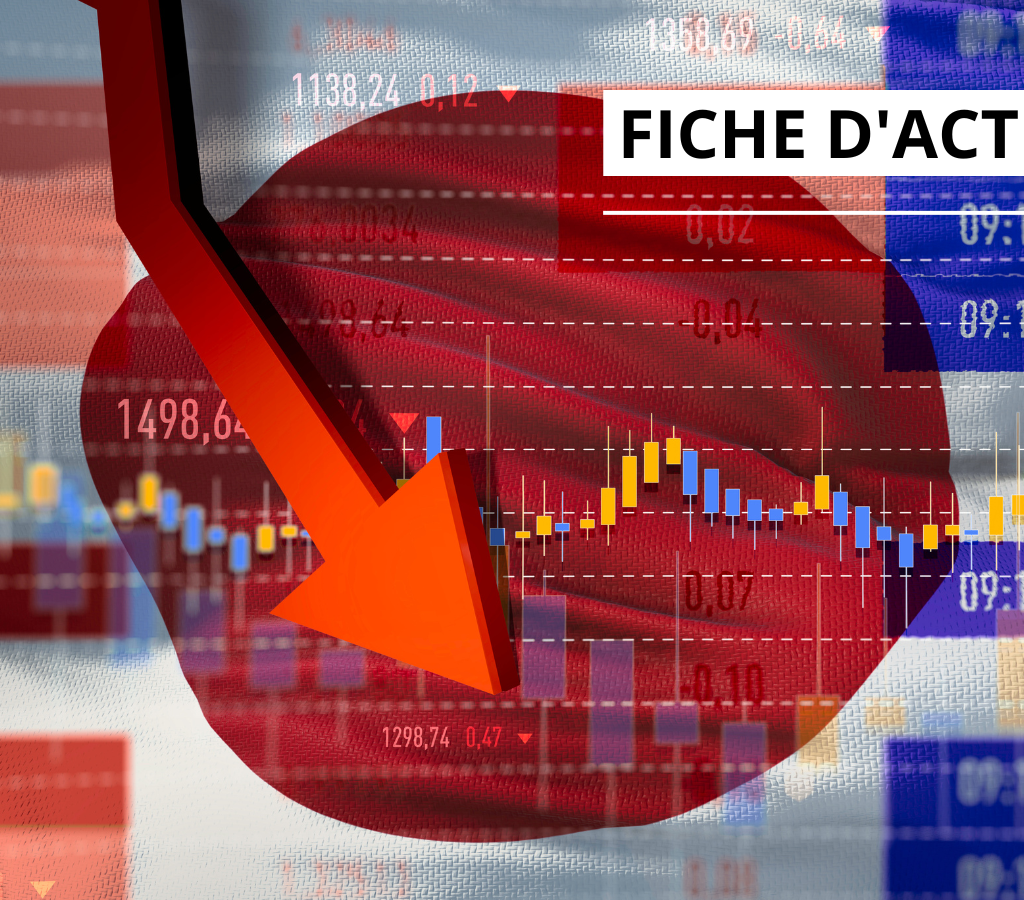
This fact sheet looks at Japan's approach to economic security. It begins by highlighting the way in which the country has succeeded in structuring a dedicated institutional ecosystem in recent years, then analyses the benefits and some of the limitations of this construction. It concludes by looking at the prospects for the development of Japanese economic security arrangements in a context of change at national and international level.
The contemporary transformation of the Japanese army
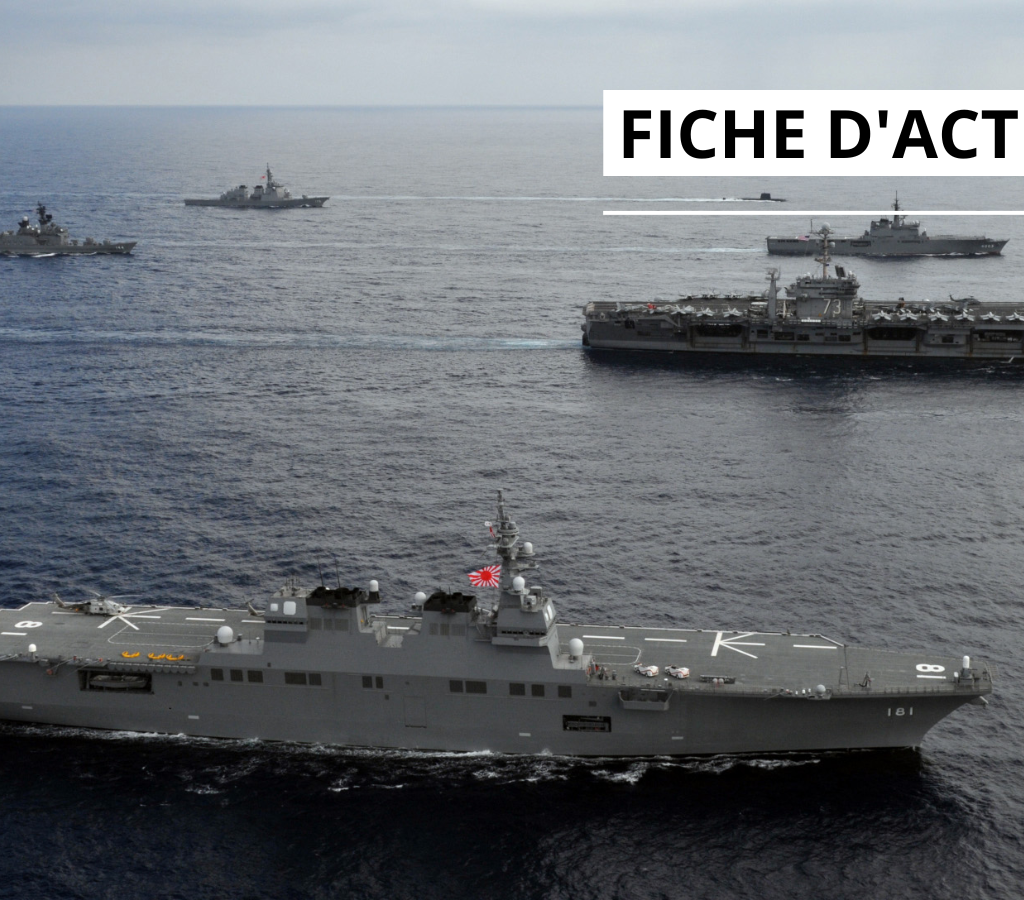
This fact sheet looks at the contemporary transformation of the Japanese army. It highlights the major increase in the country's military budgets in recent years, as well as the new desire to acquire offensive capabilities. It then analyses the reasons for and some of the limitations of these singular developments, before concluding with a look at the outlook for Japan, particularly with regard to its essential alliance with the United States.
British defence policy
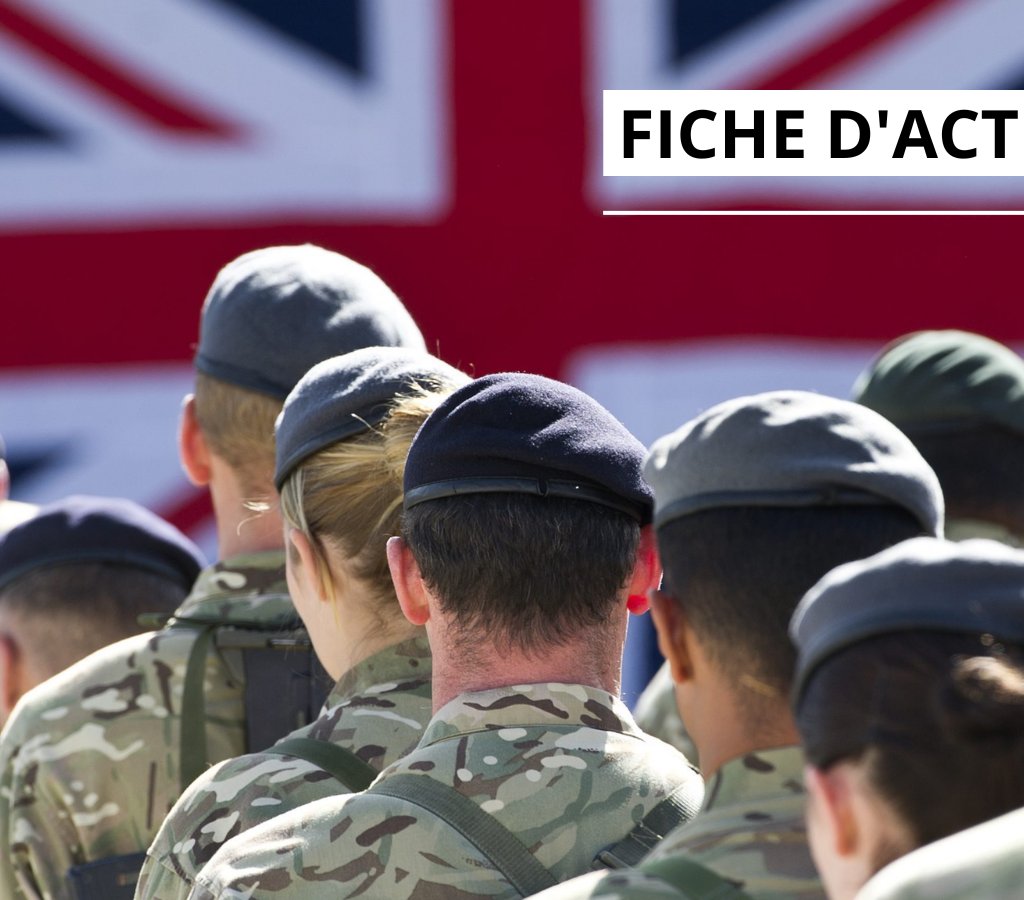
This fact sheet looks at the history and foundations of British defence policy, reviewing the development of the «special relationship» with the United States and the United Kingdom's anchorage in NATO. It then shows how the Strategic Defence Review published in 2025 represents a turning point, establishing a «NATO-First» posture, refocusing on Euro-Atlantic security and explicitly preparing for a high-intensity conflict. Finally, it highlights the strategic role that the UK could play in the defence of Europe, particularly at the interface between NATO and the EU, as the transatlantic link recomposes itself.
Franco-British defence cooperation
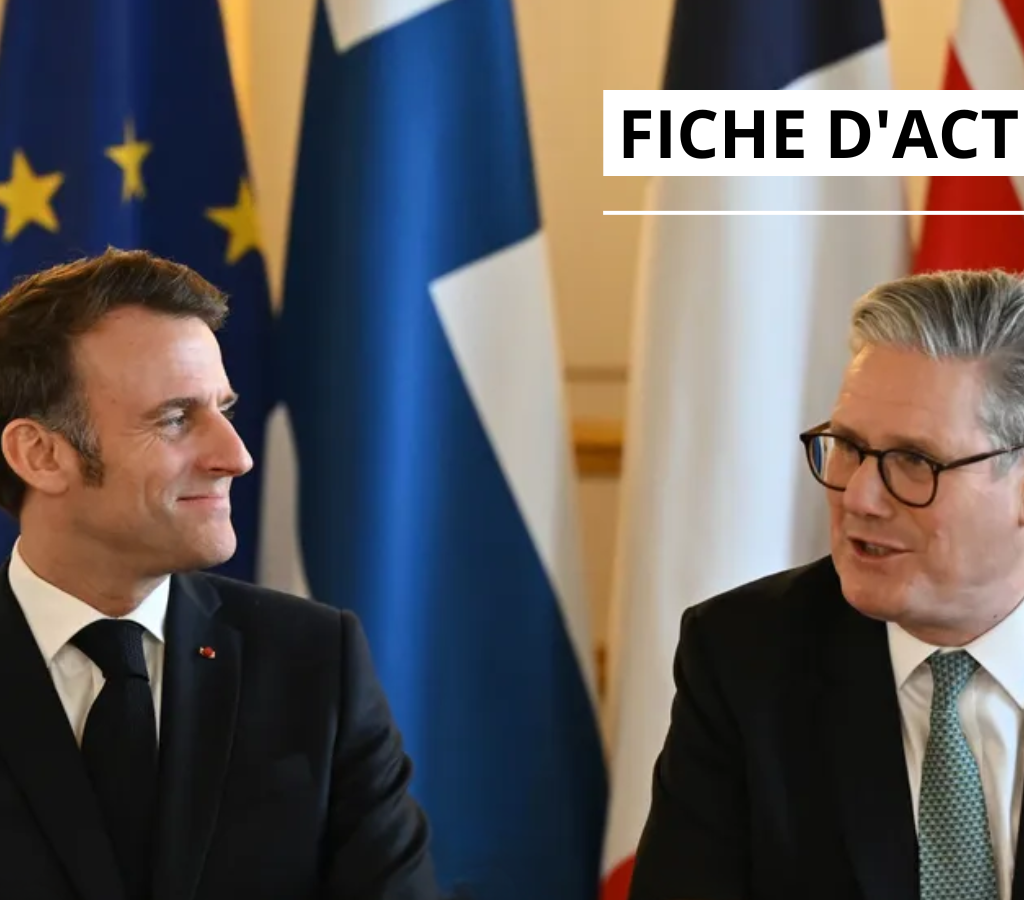
This fact sheet focuses on Franco-British military cooperation, from its historical foundations marked by the Entente Cordiale of 1904, the First World War, the Battle of Dunkirk (1940) and the Suez Crisis (1956) to post-Cold War operational rapprochement. It analyses the role of the Treaties of Lancaster House (2010) and Lancaster 2.0 (2025), which institutionalise the Franco-British Joint Expeditionary Force (CJEF) and strengthen nuclear and capability coordination, while highlighting the limits of this solidarity in the face of national trade-offs and divergent industrial choices. Finally, it sheds light on the prospects for the relationship, between opportunities for European rapprochement post-Brexit and the challenges posed by competition in the development of military capabilities. It also sheds light on the differing approaches of Paris and London to Ukraine, in a context of strategic recomposition of European defence.
Franco-German cooperation in the field of defence

This news sheet examines the history of Franco-German cooperation in the field of defence, looking back at its history since 1963, the year the Élysée Treaty was signed, which defines the framework for cooperation between France and Germany in various fields. It then highlights the challenges facing the two countries in their industrial cooperation. Finally, it highlights operational cooperation and the prospects and challenges for an effective «Europe of defence».
German rearmament

This news brief looks at the history of the German army (Bundeswehr), tracing its history since 1949, the year the Federal Republic of Germany was founded. It then shows how 2022 represents a turning point for German defence policy. Finally, it highlights the strategic role that Germany could play in the defence of Europe in the event of a high-intensity conflict.
The European Union's space strategy

This fact sheet looks at European space strategy, beginning with a review of its history and then presenting the players and institutions involved. It then analyses the priorities of the European Space Act, the first regulation on space policy at European level, presented in June 2025. Finally, it highlights the EU's strategic ambitions in the space sector, as well as the limits and divergences that are still holding them back.
Competition and international rivalries

This fact sheet looks at international rivalries in the space sector. It begins by reviewing the major stages in the conquest of space, placing it in the context of competition between powers. It then presents the various geopolitical challenges posed by the conquest of space today, particularly in the context of Sino-American rivalry. Finally, it offers some perspectives on the weaponisation of space today.
Sweden and Finland

This fact sheet presents the defence models and capabilities of Sweden and Finland, and looks at the changing positions of these two Nordic countries. Historically neutral, they abandoned a tradition of military non-alignment to join the North Atlantic Treaty Organisation (NATO) following Russia's invasion of Ukraine in February 2022. The analysis highlights the challenges and opportunities associated with this integration, highlighting the specific features of the Nordic defence model based on the concept of "total defence".
What defence for the Baltic States?

This fact sheet looks at the main features of the defence policies of the Baltic States. It first sets the scene by highlighting the salient features of their relationship with Russia since the collapse of the USSR. It then analyses the main defence measures they have taken since Russia's annexation of Crimea in 2014. It concludes with their vision of the future of European security, based on strengthened national defence capabilities, solidarity between allies and a firm stance towards Russia.

