
The «Lobster War» as seen by two Brazilian and French researchers
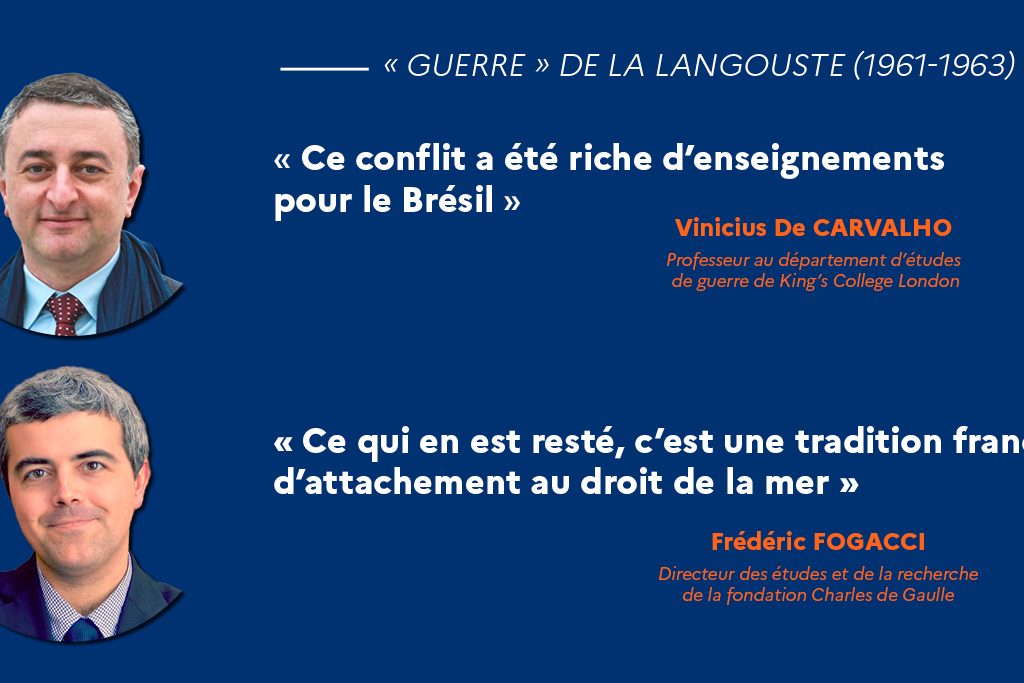
In this joint interview, Vinicius de Carvalho, associate professor in the Department of War Studies at King’s College London, and Frédéric Fogacci, director of studies and research at the Charles de Gaulle Foundation and lecturer at Sciences Po Paris, discuss the circumstances and lessons to be learnt from this diplomatic crisis between their two countries.
The «lobster war»: when sovereignty is at stake on the continental shelf
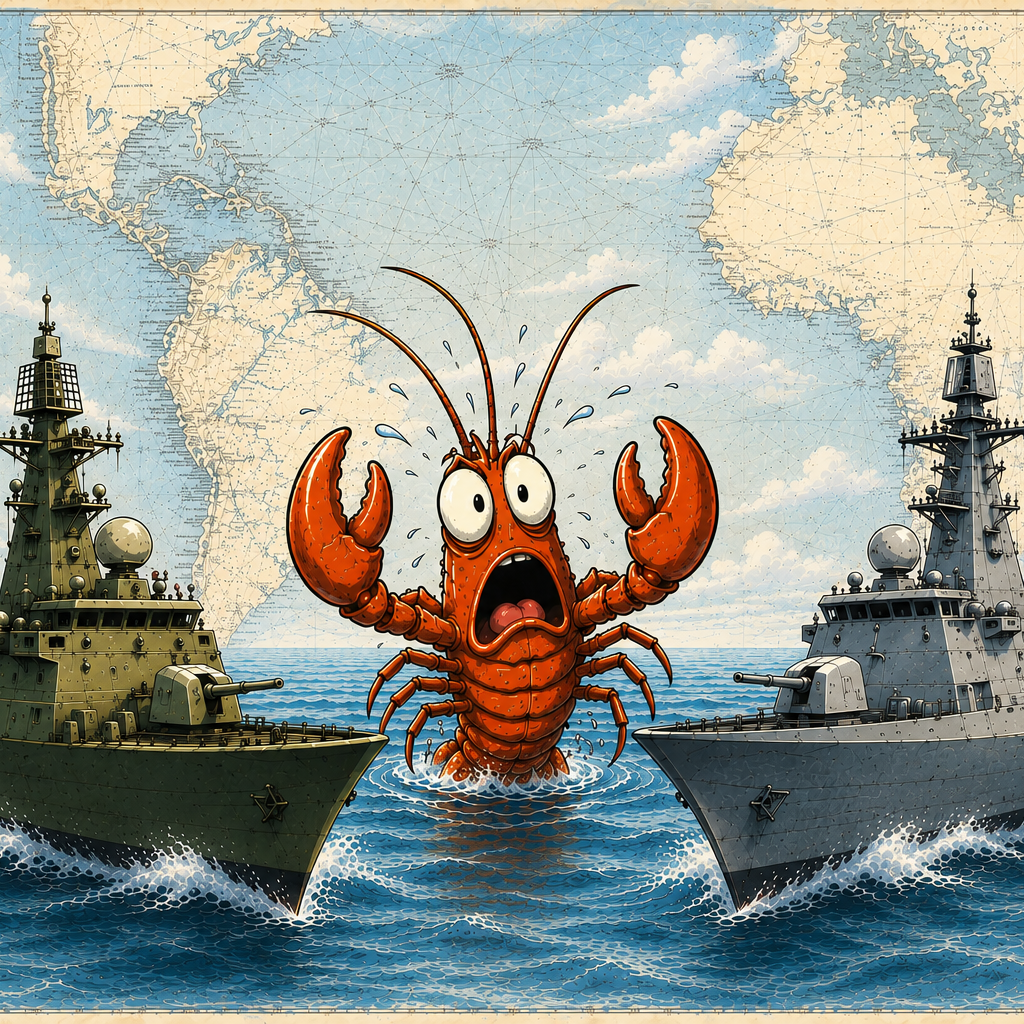
In 1961, a dispute between fishermen off the Brazilian coast escalated into a major diplomatic and military crisis between Paris and Brasília. At the heart of the debate: does the lobster walk or swim? Behind this scientific dispute lies a pioneering clash over the law of the sea, the projection of power and the definition of maritime sovereignty.
Mathilde Velliet: «The very forces that were driving the United States towards openness are now pushing it towards isolation»
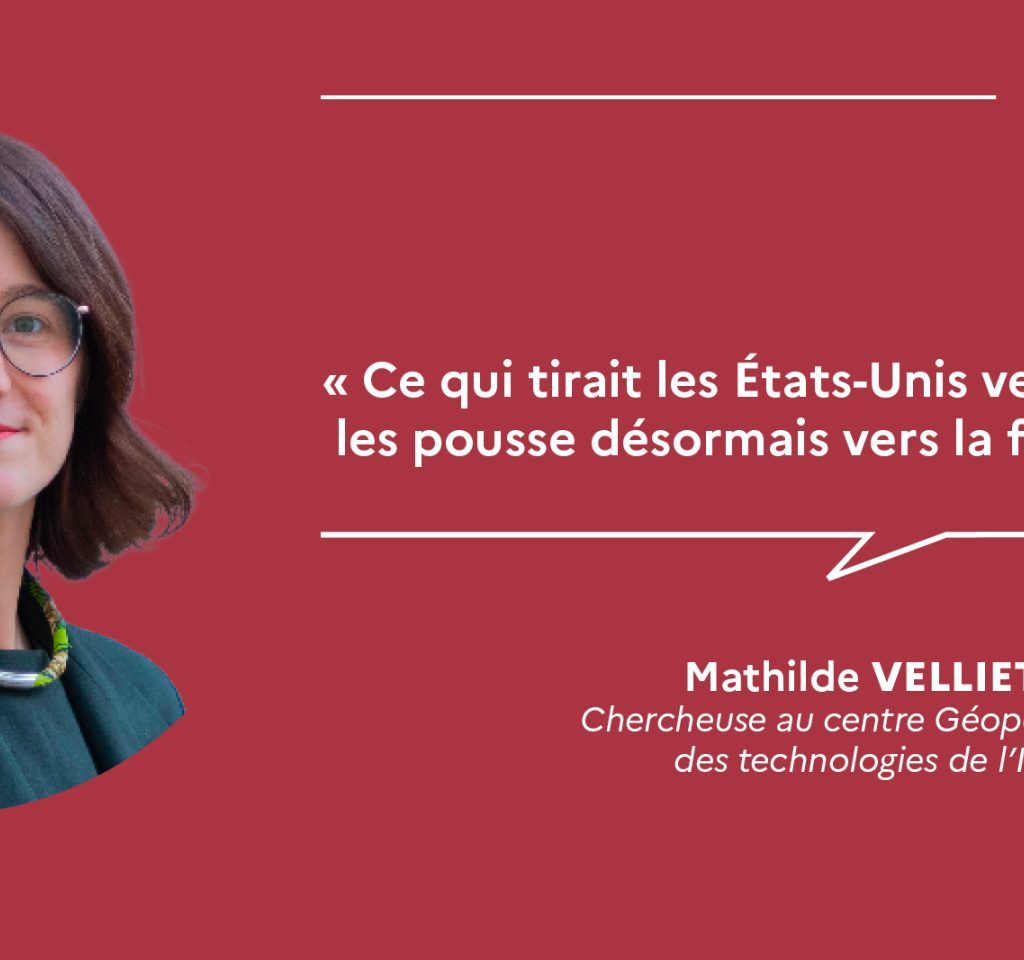
Mathilde Velliet, a researcher at IFRI and winner of the 2026 IHEDN thesis prize, shows how, in the field of strategic technologies, the United States has resolved its dilemma between prosperity and security in relation to China. Increasingly, from Obama to Trump, as one senior official put it to her, «we all started out as doves and ended up as hawks». Interview.
14 July 2026: a symbol of unity and a showcase for Europe’s strategic reawakening
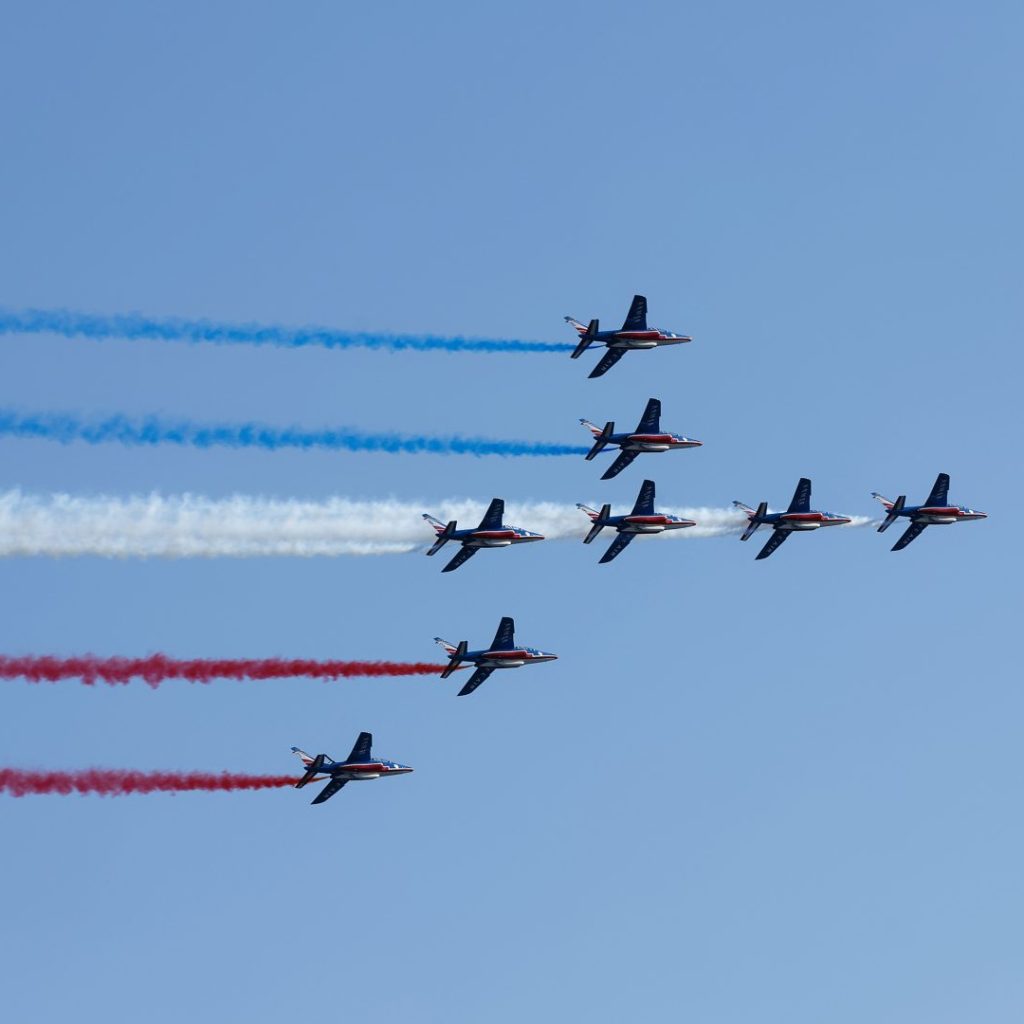
With this year’s National Day parade centred on the continent’s strategic autonomy, the event will highlight the national security continuum, as well as the flags of the European Union, NATO and the forty or so countries participating in the Coalition of the Willing for Ukraine. Here is a detailed overview.
The Treaty of Barcelona: the Franco-Spanish axis at the heart of European sovereignty

IHEDN Mondays are now available as audio files! Click below to listen: 00:00 / 00:00 Summer feature: «Athena at the Beach» is touring France! For the fourth year running, IHEDN is keeping you company throughout your holidays with the launch of its major […]
Committee reports from the national session: coercive diplomacy, industrial sovereignty, advanced nuclear deterrence…
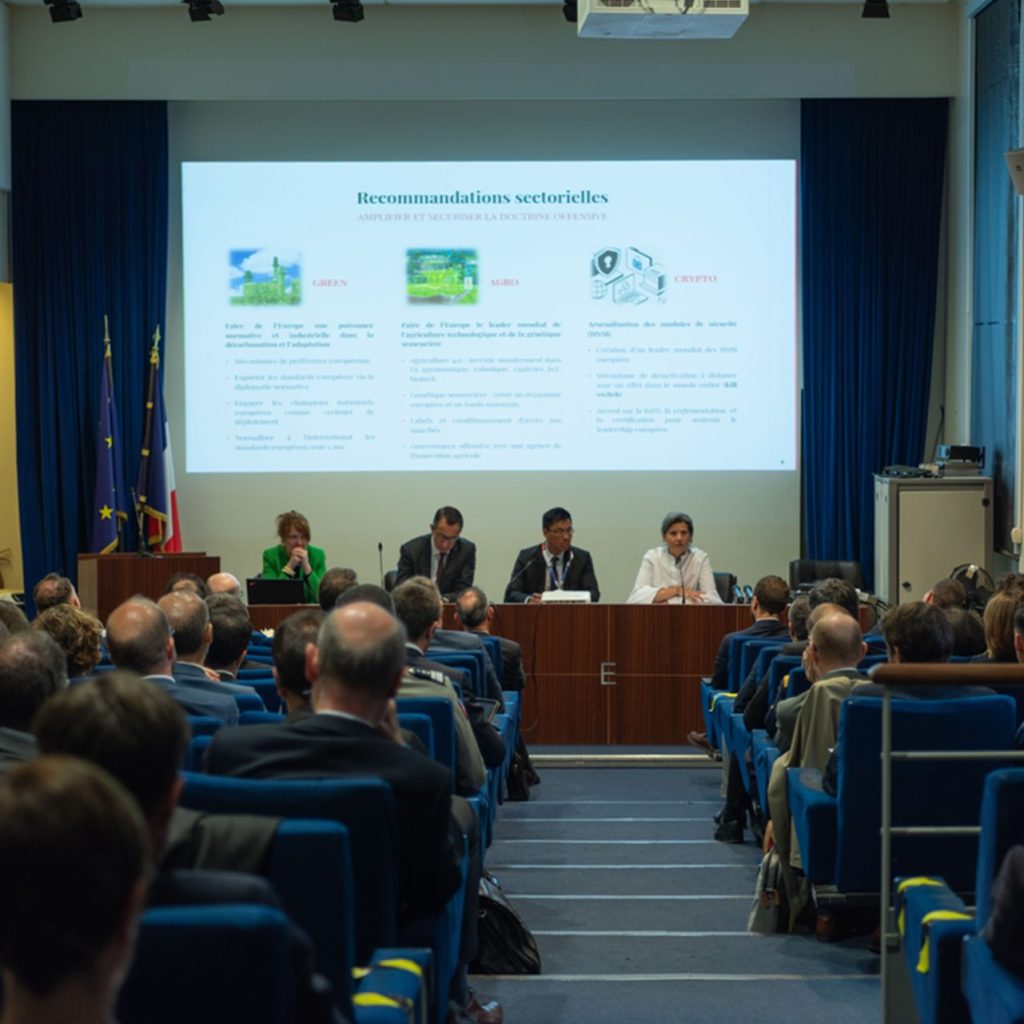
Whilst the 5e The IHEDN’s national session has just concluded; we are providing summaries of the work carried out by the auditors« committees for its five major programmes, which focused on this year’s theme of »strategic opportunities’. These reports are intended to inform the deliberations of public authorities.
Eurosatory 2026: what is «multi-domain superiority»?

This week, the world’s leading defence and land and air-land security exhibition is taking place near Paris. For the 2026 edition, the event is structured around key themes, foremost among which is multi-domain superiority. What exactly does this term mean, given that it has become both an inescapable reality and a challenge in contemporary theatres of conflict?
The Swedish Total Defence model, an example of innovation and resilience for Europe

The Scandinavian kingdom, which is currently undergoing the biggest change in its national defence and security doctrine for two centuries, is taking the fusion of military and civilian approaches very far. We take a closer look at this innovative model following the study mission of the Digital Sovereignty and Cybersecurity major at the IHEDN national session.
Japan, a laboratory for contemporary economic security

On the occasion of the study mission to Japan of the Economic Defence and Security major of the national session of the IHEDN, focus on the far-reaching and innovative action of the archipelago state in this field. The first country in the world to create a dedicated ministry, Japan aims to achieve the subtle equation of protection without protectionism.
IHEDN, a driving force in the rapprochement of strategic cultures in Europe
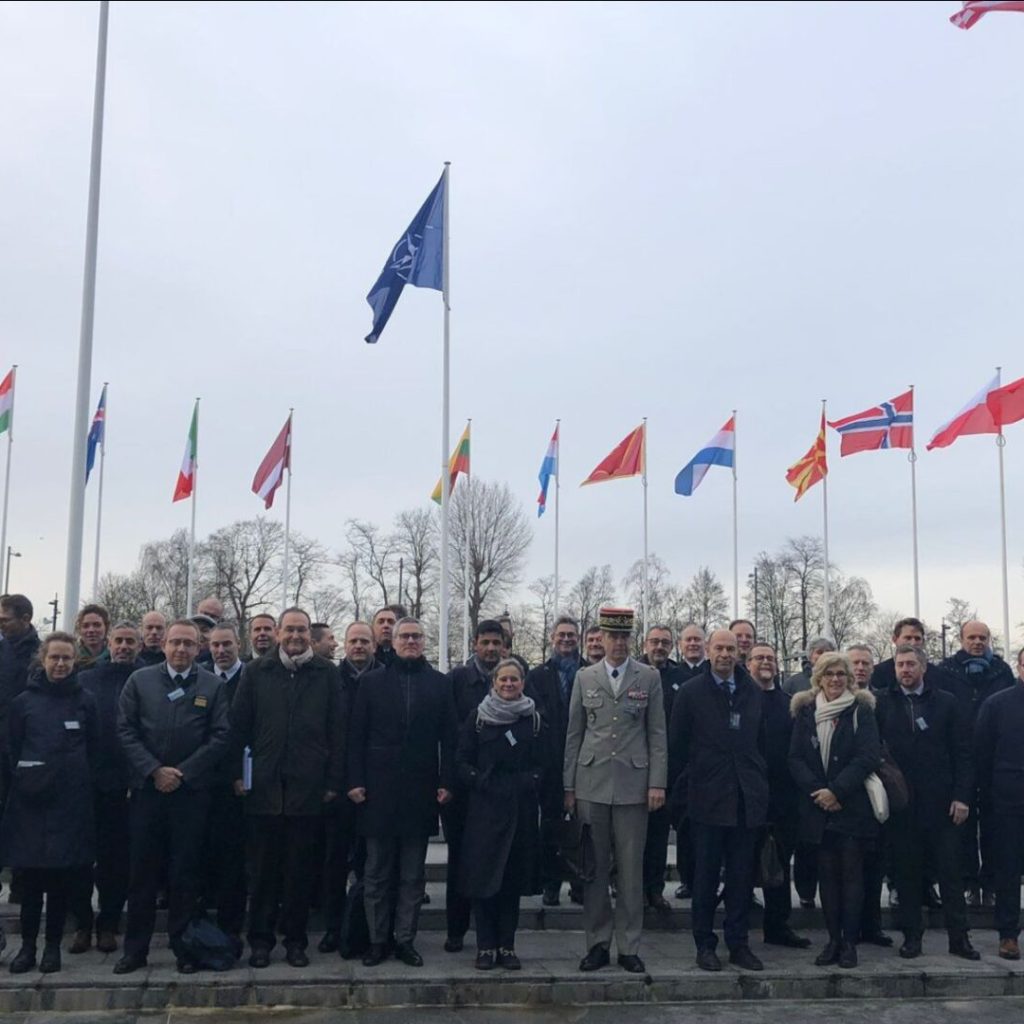
To mark Europe month and 90e anniversary of the IHEDN, focus on its historical and current role in structuring a European strategic culture. This dimension, which has been present in our training courses from the outset, has continued to grow: today, the Institute designs and organises numerous training courses for European state and institutional partners, contributing to collective reflection on security and defence issues.

